2026 Top Solar PV Trends You Need to Know?
As we approach 2026, the landscape of solar PV technology is rapidly evolving. Innovations and market shifts are reshaping our understanding of solar power. The demand for clean energy solutions is relentless, and solar PV stands at the forefront.
Emerging trends are influencing installations, energy storage, and consumer choices. Solar PV efficiency is improving, with new materials enhancing performance. These advancements come with challenges and opportunities. The industry must grapple with supply chain issues and cost fluctuations, which can hinder growth.
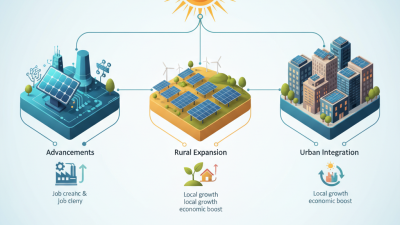
Moreover, the integration of solar PV into urban environments presents unique hurdles. Cities must adapt their infrastructure to accommodate this energy source. Understanding these trends is crucial for homeowners, businesses, and policymakers. The future of solar PV is bright, yet it calls for careful consideration of sustainable practices and technological advancements.
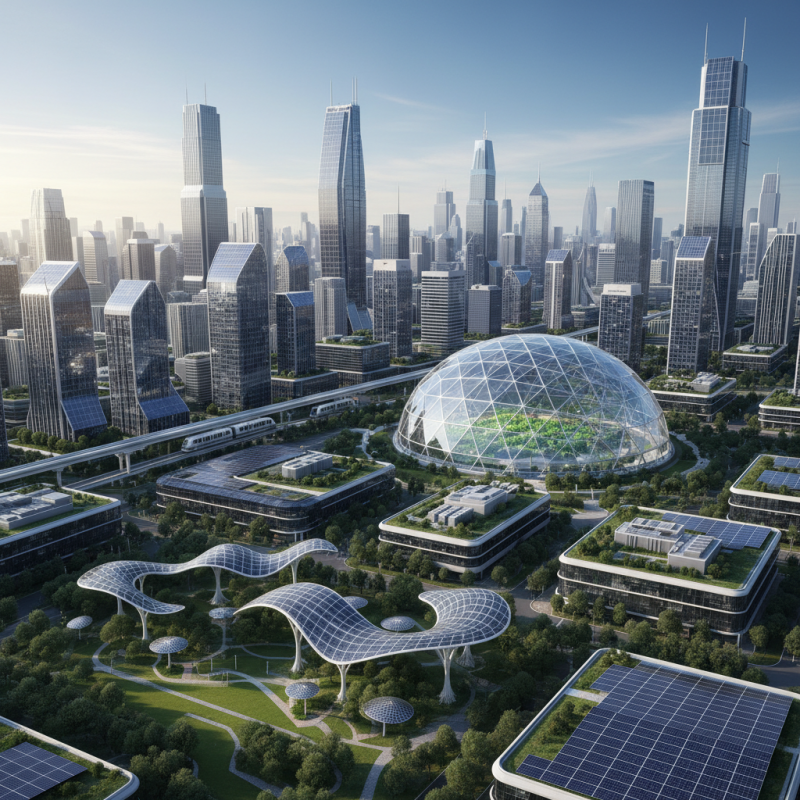
Emerging Technologies Transforming the Solar PV Landscape in 2026
In 2026, the solar PV landscape is undergoing exciting transformations. New technologies are emerging, making solar energy more efficient and accessible. One significant trend is the advancement in perovskite solar cells. These cells are lighter and cheaper to produce than traditional silicon cells. According to a recent report, perovskite technology could potentially improve efficiency rates over 30%. This innovation could reshape residential solar markets.
Another noteworthy trend is the integration of artificial intelligence in solar energy management. AI solutions are optimizing energy consumption for businesses and homes. They analyze usage patterns to determine the best times to store or use solar energy. Studies show that AI can increase energy savings by up to 20%. People are becoming more aware of how technology can enhance energy efficiency.
Tip: Consider investing in solar monitoring systems. These can provide real-time data on your energy consumption, helping you make informed decisions.
Emerging technologies may also face challenges. Issues like material stability in perovskite cells need addressing. Continuous research is essential to ensure long-term viability. As the industry evolves, adapting to these challenges will be crucial.
Tip: Stay informed about advancements in solar technology. Regular updates can help you make better energy choices.
2026 Top Solar PV Trends
This chart illustrates the projected distribution of investments in various emerging technologies transforming the solar photovoltaic landscape in 2026. The data reflects the increasing emphasis on energy storage, smart grid technology, and advanced solar materials.
Key Solar PV Market Trends and Their Global Implications for 2026
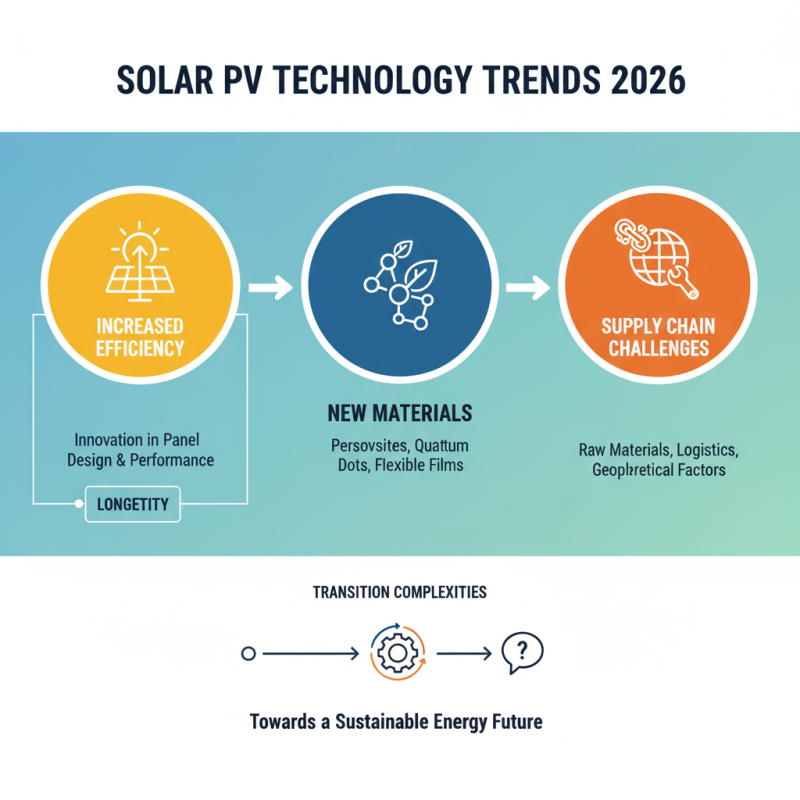
As the world shifts towards sustainable energy, solar PV technology is rapidly evolving. In 2026, we can expect several key trends to shape this industry. The increasing demand for efficiency will drive innovation in solar panel design. New materials may enhance performance and longevity. However, not all advancements come without issues. The transition may involve complex supply chain challenges.
Moreover, energy storage solutions are becoming essential. This trend reflects the growing need to harness solar energy effectively. While solar production peaks during the day, storage options can ensure energy availability around the clock. Yet, the integration of storage systems can be complicated. It requires substantial investments and might lead to unintended challenges.
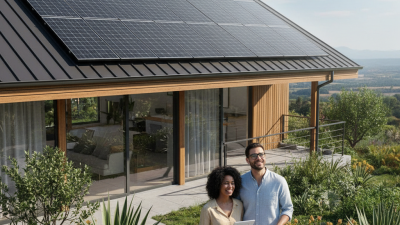
Another notable trend is the rise of decentralized energy systems. Homeowners may opt for rooftop solar installations. This shift democratizes energy production but raises concerns about grid reliability. Maintaining balance becomes a priority as more individuals generate their own power. The implications of these trends are profound and warrant careful examination.
Innovative Energy Storage Solutions Enhancing Solar PV Efficiency
Innovative energy storage solutions are critical to improving solar photovoltaic (PV) efficiency. As solar power generation grows, so does the demand for effective storage. Batteries stored energy for cloudy days or nighttime use. However, not all batteries are the same. Some have limited lifespan, posing a challenge to sustainable energy practices.
Advanced battery technologies are emerging to address these concerns. For instance, lithium-ion batteries remain popular due to high energy density. Yet, they may not always be the best choice for sustainability. Alternatives like flow batteries offer longer life cycles but can be costly. Evaluating the balance between cost, efficiency, and longevity is essential for consumers. There’s still room for improvement as technology evolves.
Also, integrating energy storage with solar inverters can optimize energy management. This integration can help in maintaining grid stability. However, not all setups are user-friendly or efficient. Potential users should carefully consider system compatibility and user experience. As innovation continues, the key will be addressing real-world challenges while enhancing solar PV applications.
Government Policies and Incentives Shaping the Future of Solar Energy
Government policies play a crucial role in shaping the future of solar energy. In recent years, many countries have increased their focus on renewable energy. According to a recent report from the International Energy Agency (IEA), global solar PV capacity could exceed 1,200 gigawatts by 2026. This growth is largely due to favorable government incentives.
Tax credits and rebates make solar investments more appealing. For example, the U.S. Investment Tax Credit (ITC) allows homeowners to deduct a portion of their solar installation costs from their federal taxes. However, ongoing changes in policy can be uncertain. State-level regulations vary widely and can affect solar adoption rates.
Tips: Stay informed about local incentives. Reach out to local energy offices for updates on subsidies. Explore community solar programs if personal installation is not feasible.
Internationally, countries like Germany and China have implemented aggressive solar policies. Yet, fluctuations in legislation can disrupt investor confidence. Balancing policy support with market demand remains a challenge. Ensuring long-term stability in government incentives is crucial for sustained growth in the solar sector.
Consumer Adoption Trends: The Rise of Solar PV in Residential Markets
The rise of solar photovoltaics (PV) in residential markets is a notable trend. More homeowners are recognizing the environmental benefits of switching to solar energy. Many are motivated by rising electricity costs. Solar installations are becoming more accessible than ever.
Consumers are curious but cautious. They seek reliable information before making decisions. Some worry about upfront costs and installation complexities. Others are unsure about long-term savings. This hesitation can slow the adoption rate.
Local incentives sometimes help, yet they vary widely. Without clear guidelines, potential users might feel lost. It is crucial to address these concerns transparently. Education can empower homeowners to embrace solar energy. Building trust is key in this growing market.
2026 Top Solar PV Trends You Need to Know
| Trend |
Description |
Impact on Residential Markets |
Projected Growth (%) |
| Increased Consumer Awareness |
Growing access to information leads to more informed consumer choices. |
Higher adoption rates as consumers research benefits and savings. |
15% |
| Advancements in Technology |
New technologies improving efficiency and reducing costs. |
Increased installation due to lower prices and better performance. |
20% |
| Government Incentives |
Continued tax credits and rebates for solar panel installations. |
Stimulates market growth, encouraging residential installations. |
25% |
| Sustainability Initiatives |
Increased focus on renewable energy sources drives demand. |
Homeowners motivated to contribute to environmental goals. |
18% |
| Community Solar Projects |
Collective solar installations allowing shared benefits. |
Access for renters and those unable to install panels. |
30% |