
The rise of the Lithium Battery Car marks a significant shift in the automotive industry. Experts like Dr. Emily Chen, a prominent figure in electric vehicle technology, state, “Lithium battery cars are transforming transportation for a sustainable future.” This transformation comes with many benefits that attract both consumers and manufacturers.
Owning a lithium battery car offers financial savings, with lower maintenance costs than traditional vehicles. Also, these cars contribute to a cleaner environment by reducing emissions. However, it's essential to consider their limitations, such as charging infrastructure challenges and battery lifespan concerns.
Moreover, the technology is continually evolving. While the initial cost of a lithium battery car may seem high, government incentives often offset this expense. The convenience of home charging adds to the allure, but some consumers remain skeptical. Balancing the pros and cons of lithium battery cars is crucial as we navigate toward a sustainable future.
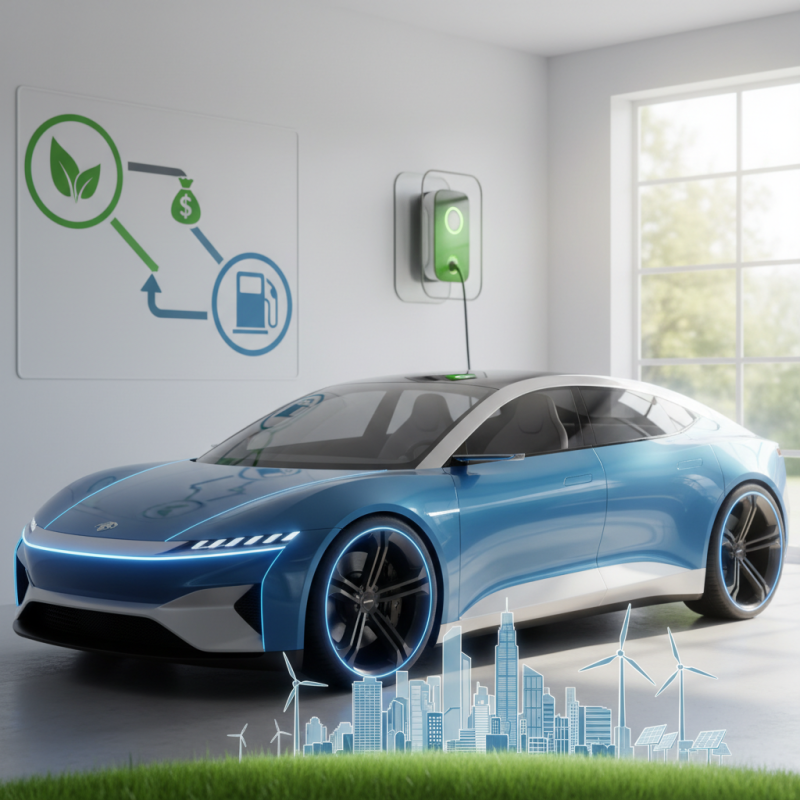
As we explore the benefits of lithium battery cars, the reduction of carbon emissions stands out. Traditional vehicles emit greenhouse gases that contribute to climate change. Conversely, lithium battery cars produce zero tailpipe emissions. This shift can significantly lower the carbon footprint of each driver. Cleaner air is a tangible benefit. People living in urban areas can enjoy healthier environments.
The production of lithium batteries isn't without concerns. Mining processes can have environmental impacts. Yet, many manufacturers are working to adopt cleaner practices. Recycling lithium batteries is becoming an imperative focus. As more batteries are used, finding sustainable solutions is crucial. Awareness of these challenges can drive innovation in the industry.
Adopting lithium battery cars represents a change in perspective. Drivers can enjoy the advantages of reduced emissions. But it is essential to reflect on the entire lifecycle of these vehicles. A holistic view encourages further steps toward sustainability. Each small decision contributes to a larger change for our planet.
| Benefit | Description | Environmental Impact |
|---|---|---|
| Reduced Carbon Emissions | Lithium battery cars produce zero tailpipe emissions, significantly lowering overall carbon footprint. | Drastically reduces greenhouse gases contributing to climate change. |
| Improved Energy Efficiency | Lithium battery technology offers higher energy density compared to traditional batteries. | More efficient use of energy leads to less waste and lower consumption of resources. |
| Lower Operating Costs | Electric vehicles (EVs) generally cost less to maintain and fuel than gasoline cars. | Encourages sustainable spending habits reducing overall energy demands. |
| Government Incentives | Many regions offer tax breaks or rebates for purchasing electric vehicles. | Promotes the transition to cleaner transportation methods through financial support. |
| Enhanced Performance | Lithium battery cars provide instant torque and smooth acceleration. | Contributes to a more enjoyable driving experience with less environmental impact. |
| Reduced Noise Pollution | Electric engines operate much quieter than internal combustion engines. | Helps create quieter urban environments contributing to improved quality of life. |
| Home Charging Convenience | Ability to charge at home eliminates trips to the gas station. | Increases energy independence and promotes the use of renewable energy when applicable. |
| Support for Renewable Energy | EVs can be charged using solar or wind-generated electricity. | Encourages the adoption of sustainable energy sources overall. |
| Longer Lifespan | Lithium batteries have longer life cycles compared to traditional vehicle batteries. | Reduces waste and environmental strain of battery production and disposal costs. |
| Innovative Technology | Advancements in lithium battery technology are rapidly evolving. | Promotes investment into cleaner technologies and sustainable practices. |
Owning a lithium battery car can lead to significant savings on fuel and maintenance. Traditional gas cars incur constant fuel costs, which can add up. In contrast, charging a lithium battery car often costs much less. Many electricity providers offer reduced rates at night. This creates an opportunity for substantial savings.
Maintenance is another area where owners can save. Lithium battery cars have fewer moving parts than gasoline vehicles. This typically means lower maintenance costs. Oil changes, for example, are not needed. However, while these cars require less upkeep, battery replacements can be expensive. Researching the right battery life can save money in the long run.
Tips for owners include tracking charging habits to find the most cost-effective times to recharge. Consider using home solar panels to charge your vehicle. This can further reduce your energy costs. Always stay informed about available incentives for electric vehicles. These can help offset initial expenses. When buying a lithium battery car, remember to evaluate your driving needs carefully. Some models may suit your lifestyle better than others.
Lithium battery cars provide an exhilarating driving experience. The moment you press the accelerator, the instant torque kicks in. It feels different from conventional vehicles. Imagine gliding through city streets quietly. There’s no engine noise, just smooth acceleration. The car responds swiftly, making it fun to navigate twists and turns.
Performance is another major benefit. Many lithium battery cars offer impressive range on a single charge. Some models can travel over 300 miles. This can lead to fewer charging stops during long trips. However, charging infrastructure still needs improvement. In some areas, it’s hard to find a fast charger. Planning long journeys can be tricky, so be prepared.
Driving a lithium battery car also feels more efficient. The regenerative braking system recaptures energy when slowing down. This adds to the vehicle's overall range. Yet, drivers must learn how to maximize this feature. It takes time to adjust your driving habits. Overall, the experience is refreshing and thoughtful.
Government incentives and tax breaks significantly encourage the adoption of lithium battery cars. Many regions offer rebates that reduce the overall cost of purchasing electric vehicles. These financial benefits can lower the initial investment, making it easier for consumers to go green. The incentives often vary by area, so it is essential to research local programs.
In addition to purchasing rebates, some governments provide tax deductions. This can add up to substantial savings at the end of the fiscal year. For instance, a higher tax credit can ease the burden on budgets. The impact on annual expenses is noteworthy, inviting more families to consider lithium battery cars. Yet, some individuals may remain skeptical about the long-term benefits of these incentives.
Adoption of lithium battery vehicles has its complexities. For instance, consumers need to contemplate charging infrastructure in their areas. Not every region is equipped with adequate charging stations. This is a significant factor in the decision-making process. It raises questions about convenience and accessibility. Overall, while incentives are appealing, they must align with practical living conditions.
Lithium battery technology is revolutionizing transportation. It offers a cleaner alternative to fossil fuel vehicles. According to the International Energy Agency, switching to electric vehicles can reduce greenhouse gas emissions by up to 70% over their lifetime. This shift aids in combating climate change and promotes a more sustainable future.
However, lithium battery production poses challenges. The extraction of lithium has raised concerns over water usage and ecological harm. Transparency in sourcing materials is crucial. Consumers should be aware of the life cycle impact of their vehicle's battery. Responsible recycling programs are essential for minimizing waste and environmental footprint. Batteries often contain heavy metals that, if discarded improperly, can harm ecosystems.
Tips: Charge your lithium battery car at night using renewable energy. This can reduce your carbon footprint. Participate in local recycling programs. Batteries can be repurposed or recycled effectively. Being mindful of your vehicle's entire life cycle helps promote sustainability in transportation.