Top 10 Benefits of Solar Panels for Your Home and Environment?
As more homeowners consider sustainable options, solar panels stand out as a practical solution. According to Dr. Emily Carter, a leading expert in renewable energy, "Solar panels not only reduce electricity costs but also help protect the environment." This dual benefit makes them an essential investment for homeowners.
In the current climate crisis, the use of solar panels offers tangible benefits. They lower monthly energy bills while promoting cleaner air. Homeowners often overlook the long-term savings. Despite the initial installation costs, many find reassurance in reduced utility expenses over time.
However, solar panels are not a one-size-fits-all solution. Some regions may face challenges, such as limited sunlight exposure. Homeowners must weigh their options carefully. Yet, the overall advantages of solar energy cannot be ignored. They support a greener planet and enhance home value, making it a worthy consideration.

Benefits of Solar Panels: Understanding Cost Savings Over Time
Solar panels offer significant financial benefits. By harnessing sunlight, homeowners can reduce their electricity bills substantially. According to a report by the U.S. Department of Energy, households with solar systems save an average of $1,500 annually. Over 20 years, these savings can accumulate to over $30,000. This impressive figure demonstrates the powerful long-term impact of solar energy on household finances.
Installation costs have been declining steadily. The Solar Energy Industries Association reported a 70% decrease in prices since 2010. While the initial investment can seem daunting, various state incentives and federal tax credits are available. These programs can offset installation costs, making solar energy more accessible. Understanding these financial incentives is crucial for maximizing savings.
Tips: Evaluate your energy consumption. Knowing your baseline usage helps you determine the right system size. Regularly check for government incentives to ensure you're saving as much as possible. Lastly, compare quotes from different installers. Doing thorough research can highlight potential savings and options. Being informed ultimately empowers your decision-making process.
Environmental Impact: Solar Energy's Role in Reducing Carbon Footprint
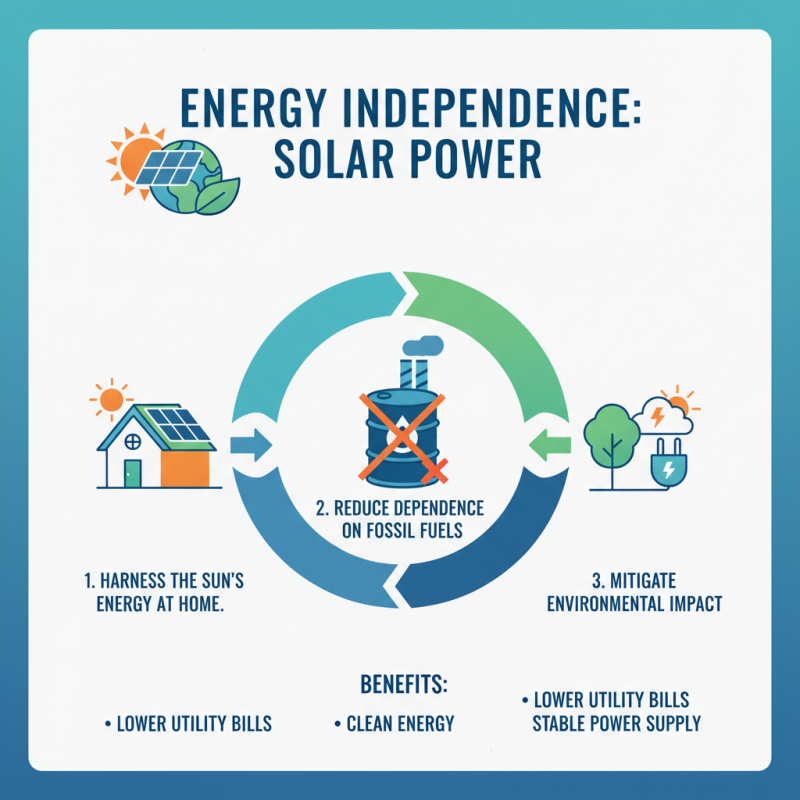
Solar energy plays a crucial role in reducing our carbon footprint. It’s a clean, renewable source of power. Utilizing solar panels can significantly lower greenhouse gas emissions. This reduction helps combat climate change, protecting our planet for future generations. Studies show that homes with solar systems produce 80% less carbon dioxide than those relying on fossil fuels.
Transitioning to solar energy doesn't just improve the environment. It also encourages energy independence. Reduced reliance on fossil fuels can stimulate local economies. Communities benefit from job creation in the solar sector. However, energy production variability leads to challenges. Not all regions have consistent sunlight throughout the year. This intermittency can pose obstacles to widespread adoption.
Implementing solar technology raises concerns about resource extraction. Materials for panels require mining and processing, impacting ecosystems. Striking a balance between benefits and environmental costs is essential. We must focus on sustainable practices in panel production. Moreover, public education is necessary to highlight the importance of reducing our carbon footprint. Engaging communities will foster a more conscientious approach to energy consumption.
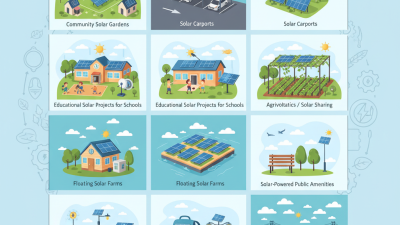
Top 10 Benefits of Solar Panels for Your Home and Environment
This chart illustrates the benefits of solar panels, highlighting their impact on reducing carbon emissions and promoting environmental sustainability.
Increase in Home Value: Solar Panels as a Property Investment
Investing in solar panels can significantly increase your home’s value. According to a study by the National Renewable Energy Laboratory, homes with solar installations sell for an average of 4.1% more than similar homes without them. This trend is driven by the growing demand for energy-efficient homes. As buyers become more eco-conscious, properties equipped with solar panels stand out.
The initial investment can seem daunting. However, financial analysts suggest that solar panels provide long-term savings on energy bills. The EnergySage Solar Marketplace Report highlights that homeowners can save approximately $20,000 over 20 years on energy costs. A home with solar panels becomes appealing, not just for its aesthetics but also for its potential to save money. Local property appraisers often recognize this value, which can lead to higher appraisals.
It's worth noting that not all solar installations yield the same returns. Location and local energy prices play critical roles. Some homeowners experience challenges obtaining permission from local authorities or energy companies. These factors can sometimes complicate the seamless transition to solar energy. Understanding these nuances is important for anyone considering solar power as an investment.
Top 10 Benefits of Solar Panels for Your Home and Environment
| Benefit |
Description |
Impact on Home Value |
| Increased Home Value |
Solar panels can increase property value by 3-4%. |
Average increase of $15,000 for a $400,000 home. |
| Reduced Electricity Bills |
Solar panels can cut electricity costs by 50-100%. |
Savings can enhance net worth. |
| Tax Incentives |
Federal and state incentives can reduce installation costs. |
Enhances investment return. |
| Low Maintenance Costs |
Solar panels require minimal maintenance. |
|
| Energy Independence |
Solar power provides a renewable energy source. |
Improves home appeal to eco-conscious buyers. |
| Environmental Impact |
Reduces carbon footprint significantly. |
Appeals to environmentally friendly buyers. |
| Increased Home Comfort |
Helps maintain temperature regulation. |
Can make homes more desirable. |
| Job Creation |
The solar industry creates many new jobs. |
|
| Energy Efficiency |
Encourages other energy-efficient home improvements. |
Increases overall property value. |
| Grid Security |
Distributed generation enhances power grid reliability. |
|
Government Incentives: Financial Benefits of Adopting Solar Energy Systems
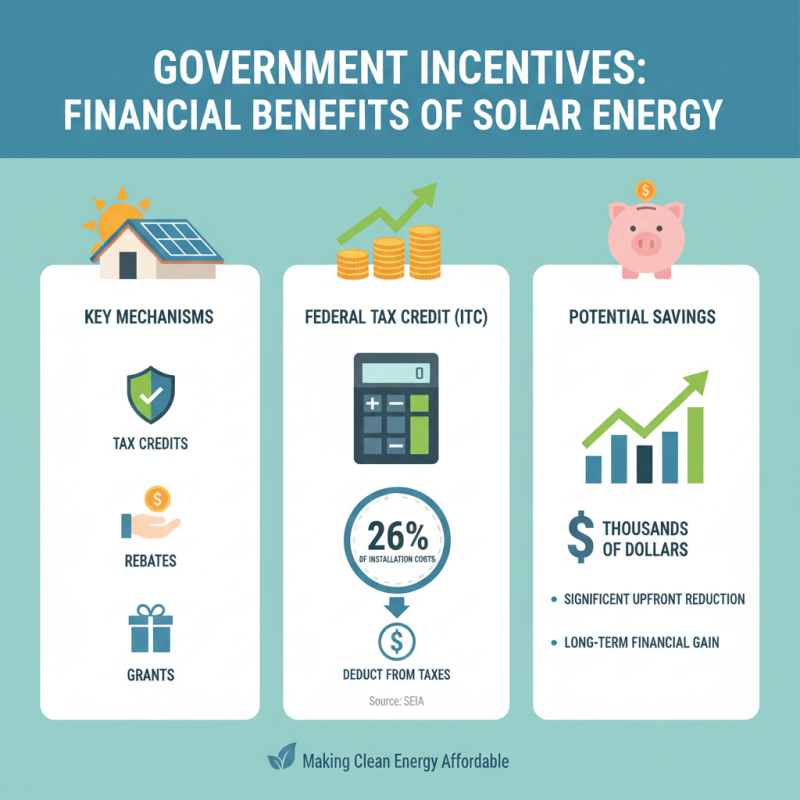
Government incentives play a crucial role in promoting solar energy adoption. Various programs offer tax credits, rebates, and grants. According to the Solar Energy Industries Association (SEIA), federal tax credits allow homeowners to deduct 26% of installation costs from their taxes. This can lead to significant savings, sometimes amounting to thousands of dollars.
State and local governments also provide financial incentives. For instance, some areas offer net metering, allowing homeowners to sell excess energy back to the grid. This can further reduce electricity bills. In California, for example, homeowners can benefit from rebates that cover a portion of their solar installation costs. However, navigating these programs can be complex and frustrating for some.
Despite the financial benefits, challenges remain. Not all homes are suitable for solar panels due to structural issues or shading. Moreover, upfront costs can deter potential adopters. As reported by the National Renewable Energy Laboratory, geographic disparities exist, making solar access unequal in some regions. The future of solar energy relies on addressing these barriers and making incentives more accessible for all.