2026 Best Solar Energy Projects to Watch Out For?
As the world prioritizes sustainable energy, solar energy projects are gaining momentum. By 2026, many innovative solar initiatives will emerge. These projects aim to harness sunlight more efficiently and cost-effectively.
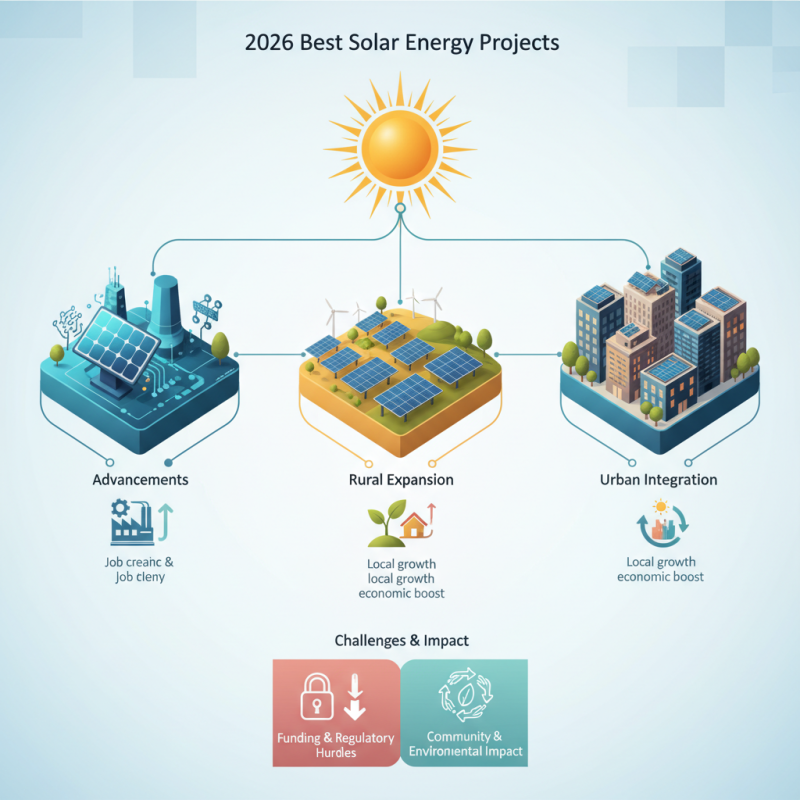
In the coming years, we can expect advancements in solar panel technology. Solar farms will expand in rural areas, creating jobs and boosting local economies. Urban solar initiatives will focus on integrating solar panels into buildings. However, challenges remain. Some projects may struggle with funding or regulatory hurdles.
Exploring these solar energy projects can reveal potential and pitfalls. Each project reflects a step towards a greener future. As we analyze them, we must also consider their long-term impact on communities and the environment. Engaging with both successes and setbacks provides a fuller picture of the solar energy landscape.
Innovative Solar Technologies Emerging in 2026
The solar energy landscape is evolving rapidly in 2026. Emerging technologies show promising potential. One notable trend is the integration of solar panels with building materials. This creates energy-efficient structures without compromising aesthetics. Reports indicate that this could boost solar adoption in urban areas by 30% in the next year.
Another exciting development is the enhancement of solar storage systems. Advanced battery technology allows for better energy retention. A recent study suggests that improved storage can reduce energy costs by up to 50%. However, these innovations face challenges. High initial costs and technological complexities can limit widespread implementation.
Tips: Consider exploring community solar programs. They offer access to solar energy for those unable to install panels. Additionally, educate yourself on regional incentives for adopting solar technologies. Every bit of solar energy contributes to a sustainable future.
Prominent Solar Energy Projects Set to Launch in 2026
The solar energy industry is evolving rapidly. By 2026, several prominent solar projects are set to launch, aiming to make significant impacts. Reports suggest that solar capacity could exceed 1,200 GW globally. A strong focus will be on solar farms, which will be key players in this shift.
Large-scale solar projects are under development in various regions. For example, sprawling solar arrays in deserts can generate notable power. The efficiency of solar panels is improving too, with some expected to reach over over 25% efficiency. This advancement will reduce land use and increase energy production.
Tips: Consider local regulations when choosing sites for solar projects. Additionally, assess the energy needs of communities to align projects with demand. Engage communities early on to build trust and encourage investment. It's crucial not to overlook local ecological impacts. The shift to solar energy isn't without challenges, requiring careful planning and execution.
Impact of Government Policies on Solar Energy Development in 2026
Government policies play a crucial role in solar energy development. In 2026, we anticipate various initiatives aimed at fostering innovation in this field. Policy-makers will likely introduce incentives to encourage adoption, such as tax credits for homeowners who install solar panels. These measures can make solar energy more accessible to the average consumer.
However, not all policies have a positive impact. Certain regulations may inadvertently slow down progress. For instance, cumbersome permitting processes can delay project launches, causing frustration for developers. Additionally, inconsistent policies across regions can create confusion, hampering nationwide growth. It is essential for authorities to strike a balance between regulation and encouragement.
In 2026, the unity of clear and supportive policy frameworks will be vital. Collaboration between federal, state, and local governments can lead to more effective strategies. Stakeholders must remain vigilant about the implications of each policy introduced. By actively engaging in dialogue, they can help shape a future where solar energy thrives. The path is not without challenges, but with thoughtful governance, a brighter energy landscape is possible.
Impact of Government Policies on Solar Energy Development in 2026
This chart represents the projected growth of solar energy installations in the United States from 2023 to 2026, influenced by various government policies. The data illustrates the expected increase in megawatts (MW) added annually, demonstrating the positive effect of supportive legislation and incentives.
Key Players in the Solar Industry to Watch in 2026
As we approach 2026, the solar industry is set to see significant growth. A report by the International Energy Agency (IEA) predicts that global solar capacity could reach over 2,800 gigawatts. This increase represents a major shift in energy production. The transition to renewable sources appears unstoppable, yet challenges remain.
Key players in the solar industry are adapting to changing demands. Emerging technologies like bifacial solar panels are gaining traction. These panels can capture sunlight on both sides, improving energy output significantly. However, the installation costs remain high, which can deter adoption in some markets. Additionally, supply chain disruptions have impacted project timelines and costs, highlighting the fragility of the current system.
Regional dynamics will also play a role. Countries with abundant sunlight and supportive policies are likely to lead. Yet, uneven regulatory environments make it difficult for companies to navigate international markets. More transparency and collaboration among stakeholders are necessary. As competition heats up, some companies may struggle to keep pace. This landscape demands constant innovation and adaptability. The solar energy projects to watch will likely be those that can overcome these hurdles effectively.
Future Trends in Solar Energy Adoption and Integration for 2026
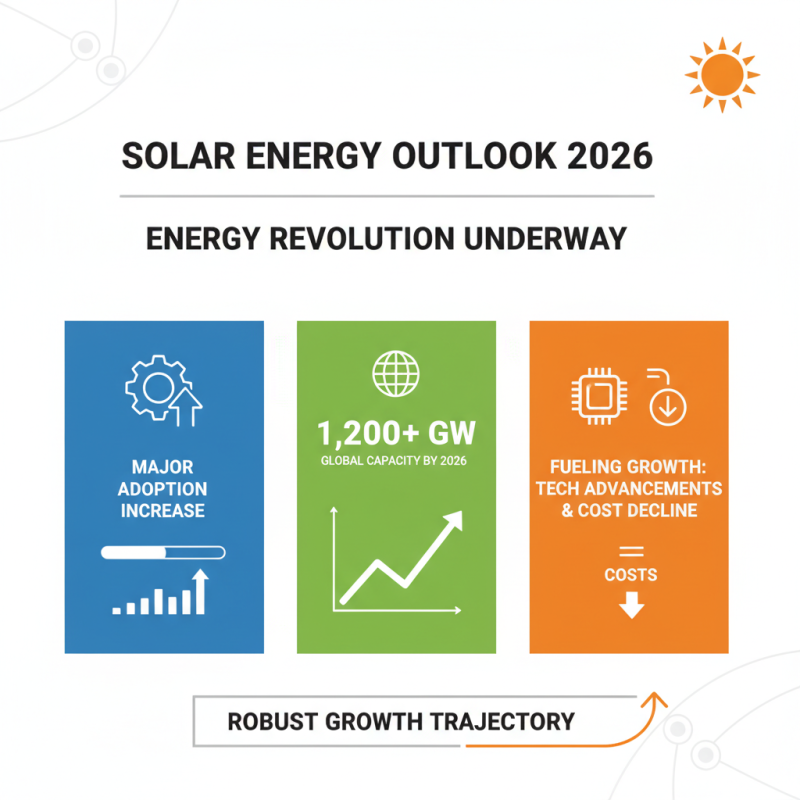
As we look toward 2026, solar energy is set to revolutionize the energy landscape. Future trends highlight a major increase in solar adoption. Reports indicate that global solar capacity could exceed 1,200 gigawatts by 2026. This signifies a robust growth trajectory fueled by technological advancements and declining costs.
The integration of solar technologies into daily life is also crucial. Studies suggest that residential solar installations may reach 30 million by 2026. This is significant, particularly in urban areas where space is limited. Yet, challenges remain. Urban infrastructure may struggle to accommodate large solar installations. Additionally, many users face obstacles regarding financing and access to solar technology.
Innovative solutions are emerging. Energy storage systems are becoming more affordable, making solar energy more reliable. Analysts project that battery costs will fall by 50% by 2026. However, we must address the recycling of solar panels to prevent waste accumulation. The rise in solar energy adoption brings both opportunities and responsibilities, requiring thoughtful planning and execution.