2026 Best Solar PV Installation Tips for Homeowners
In recent years, solar PV installation has surged in popularity among homeowners. According to the Solar Energy Industries Association (SEIA), the U.S. solar market is expected to grow by nearly 70% from 2021 to 2026. This exciting growth comes with several important considerations for homeowners. The right installation can lead to energy independence and significant savings.
Industry expert Dr. Lisa Green, a leading voice in renewable energy, emphasizes, "A successful solar PV installation is crucial for maximizing energy efficiency." Homeowners must navigate technology choices, financing options, and installation processes. Each decision impacts system performance and long-term benefits.
Yet, challenges abound. Misunderstandings about the installation process can lead to costly mistakes. Selecting an experienced contractor can be daunting. Many homeowners may overlook critical factors that could affect their system’s efficiency. With the right guidance, however, they can make informed choices. This article provides essential tips for homeowners embarking on the solar PV installation journey.
Choosing the Right Solar PV System for Your Home
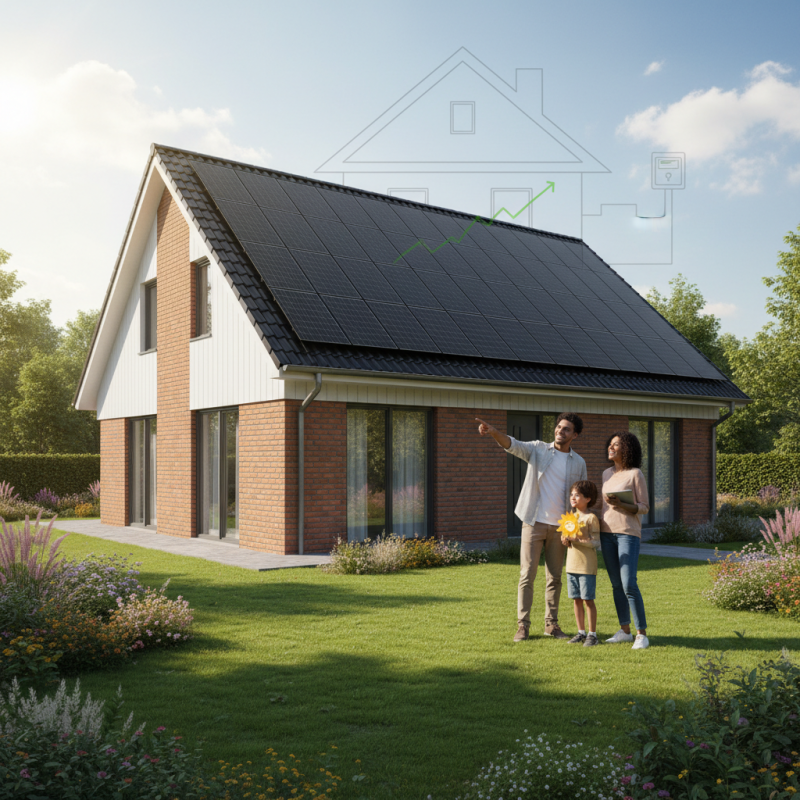
Choosing the right solar PV system for your home involves various crucial considerations. Research shows that the average U.S. household can save around $1,500 annually by switching to solar energy. With the decreasing cost of solar panels, now averaging $0.90 per watt, the investment is increasingly attractive. Homeowners should evaluate their electricity needs and usage patterns before committing. Understanding your energy consumption can help you estimate the right system size.
Installation location is key to maximizing efficiency. Panels should ideally face south and be free from obstructions, allowing them to capture optimal sunlight. A study published by the National Renewable Energy Laboratory indicates that well-placed solar panels can generate 20% more energy. Consider local climate conditions as well. Not every region benefits equally from solar. For example, areas with frequent overcast weather may yield lower energy production. Reflecting on these factors is essential.
It's also important to research installation companies. Look for those with verified credentials and positive customer reviews. A recent report highlighted that only 30% of solar installations were executed by highly-rated companies. Choose a team that provides thorough consultations and transparent pricing. This can help avoid potential pitfalls, ensuring your solar energy journey is both effective and fulfilling.
Understanding Solar Panel Types and Their Efficiency
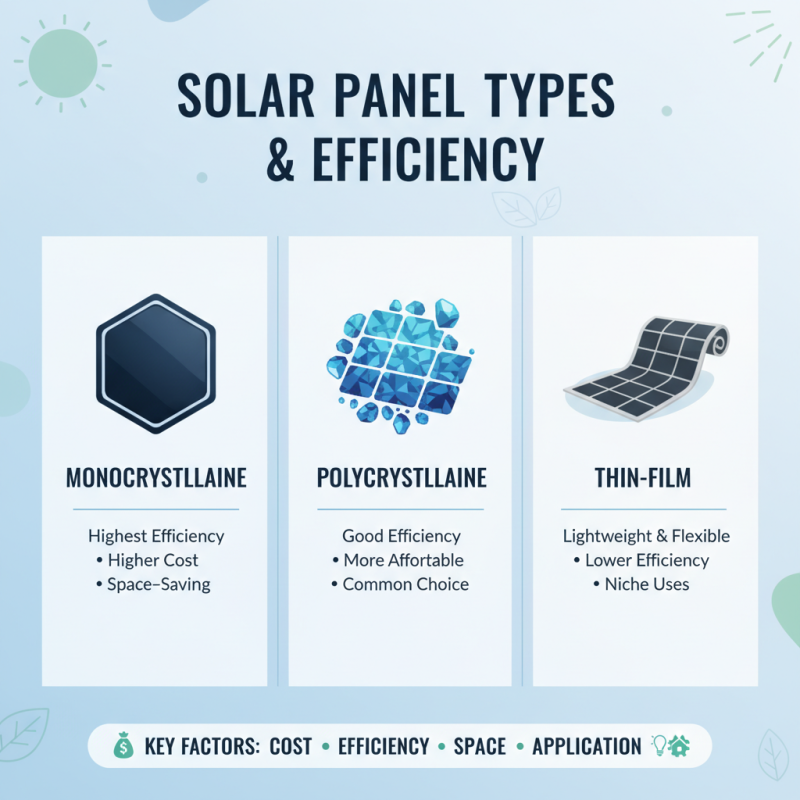
When considering solar panels for your home, understanding the types available and their efficiency is crucial. Common types include monocrystalline, polycrystalline, and thin-film panels. Monocrystalline panels are typically the most efficient, but they often come with a higher price tag. Polycrystalline panels are less efficient but more affordable, making them an option worth exploring. Thin-film panels are lightweight and flexible, yet they usually have the lowest efficiency ratings.
Homeowners should take note of the energy needs. Assess your average energy consumption to determine the size and type of solar system you require. This is essential for maximizing your investment. Understanding your roof’s orientation and shading can also affect panel performance. A small amount of shading can significantly reduce efficiency.
One important tip is to check the panel’s degradation rate. Most panels lose 0.5-1% of their efficiency annually. Choosing panels with a lower degradation rate ensures better long-term performance. It’s also wise to review warranties carefully. A longer warranty can indicate a more reliable product. Taking these factors into account will help you make informed decisions about your solar installation.
Assessing Your Home’s Solar Potential and Energy Needs
When assessing your home’s solar potential, start with your roof. Is it in good condition? Analyzing the orientation is crucial. South-facing roofs generally capture the most sunlight. However, east and west-facing roofs can also perform well, depending on local sunshine patterns.
Consider your energy needs. The U.S. Department of Energy states that an average home consumes about 877 kWh monthly. Calculate your energy usage over a year to understand how much power your solar system should generate. Keep in mind that energy consumption can fluctuate due to seasons.
Tips: Use solar calculators available online. They help estimate solar energy production based on your location and roof size. Consult with a local solar installer for tailored advice. Just remember, every home is unique. What works for one may not work for another. Be prepared to dive into the details of your solar project.
Identifying Installation Regulations and Financial Incentives
When installing solar PV systems, homeowners must navigate various installation regulations and financial incentives. Understanding local codes is vital. These codes dictate how solar panels should be mounted and wired. They ensure safety and efficiency. It’s important to check if permits are needed. Often, municipalities require permits for residential installations. This adds a layer of compliance that cannot be overlooked.
Financial incentives can significantly reduce costs. Many areas offer tax credits or rebates that homeowners can utilize. These incentives can lower the initial investment substantially. Some states have specific programs to promote renewable energy. Homeowners should research available options. This requires some effort but can yield significant savings. However, be cautious—some incentives have expiration dates. Failing to apply in time could mean missing out.
Lastly, remember that regulations can change. Staying informed is essential. This encompasses understanding both installation standards and evolving financial incentives. Keeping up with these changes can be challenging. Regularly consulting with local authorities can help clarify requirements. Engaging with community solar workshops may provide insights. These steps can ensure a smoother installation process and better financial outcomes.
Selecting a Reliable Solar Installer and Planning the Installation Process
Selecting a reliable solar installer is crucial for homeowners. Start by looking for local companies with positive reviews. Customer feedback provides insight into their reputation. It's wise to ask for references. Speak directly with past clients about their experiences. A trustworthy installer should be willing to share this information.
Planning the installation process involves several key steps. First, schedule a thorough site assessment. This identifies the best angles and placements for solar panels. Discuss any potential obstacles like shading from trees or buildings. A good installer will educate you about available technologies. Understand the differences between equipment types and warranties. Don't hesitate to ask detailed questions. Being informed helps you make better decisions and avoid common pitfalls.