China Best Solar System Project Innovations and Achievements?
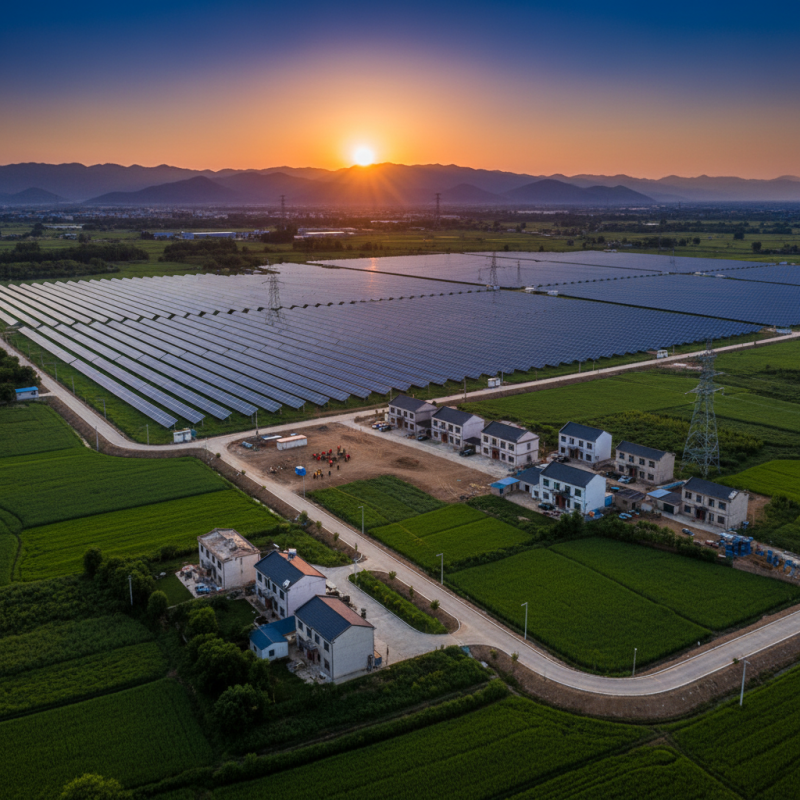
China has emerged as a leader in solar energy innovation. The country's solar system projects showcase significant advancements. These projects aim to harness renewable energy efficiently and sustainably.
One notable achievement is the expansion of solar farms in rural areas. These installations provide energy to remote communities. They also enhance local economies through job creation. However, challenges remain. The integration of solar energy into existing grids requires careful planning.
Moreover, advancements in solar technology are not without flaws. Some projects face issues like inefficiency and high costs. Continuous improvement is necessary for optimal performance. Nonetheless, China's efforts reflect a commitment to a greener future. The innovations in solar system projects pave the way for global energy transformation.
China's Pioneering Solar Innovations: A Historical Overview
China has emerged as a powerhouse in solar energy innovations. Over the years, the country has invested heavily in renewable technologies. Historical advancements include the development of highly efficient solar cells, which have increased energy conversion rates significantly. Today, China leads the world in solar panel production, making solar energy more accessible.
The commitment to clean energy is evident. Government policies have promoted solar infrastructure extensively. Solar farms now span vast areas, harnessing sunlight efficiently. Yet, challenges remain. Issues like land use and energy storage need addressing. There are ongoing debates about the environmental impact of large solar projects.
Tips for harnessing solar energy effectively include careful site selection for solar farms. Consider proximity to power grids to reduce transmission losses. Additionally, regular maintenance of solar panels ensures optimal performance. Always look for ways to incorporate energy storage solutions to enhance reliability. Exploring innovative recycling methods for solar panels is also essential. Each of these steps can improve sustainability in solar energy use.
Key Technological Advancements in China's Solar Energy Sector
China has made remarkable progress in solar energy technology. Innovations in photovoltaic systems have led to higher efficiency rates. Chinese researchers focus on materials that enhance sunlight absorption. These advancements expand solar adoption across diverse regions.
Recent achievements include bifacial solar panels. These capture sunlight from both sides, increasing power output. Improved inverter technologies also play a crucial role. They optimize energy conversion and allow smart grid integration. However, the challenge remains in energy storage solutions for consistent power supply.
Despite these advancements, the sector faces hurdles. High costs for advanced technologies can hinder widespread use. Environmental concerns about solar waste need attention. Continuous research is essential to address these issues. Drifting towards sustainability is not always straightforward.
Success Stories: Major Solar Projects That Defined China's Landscape
China has emerged as a powerhouse in solar energy. Major solar projects have transformed landscapes and communities. One notable achievement is the Nanjing Yangzi River Bridge solar project, which creatively integrates solar panels with bridge infrastructure. Its innovative approach not only generates energy but also reduces urban heat. This project showcases how engineering can harmonize with renewable energy goals.
In contrast, some projects face challenges. A solar farm in the Gobi Desert faced issues with land erosion and maintenance. While it contributes significantly to energy output, the environmental impact raises questions. Striking a balance between energy generation and sustainability is crucial. Local communities often report mixed feelings about these vast solar installations. Some see benefits, while others worry about land use.
China's solar journey is marked by both innovation and reflection. The nation's commitment to renewable energy is remarkable, but it's essential to consider long-term impacts. Effective management and community involvement can bridge gaps. These stories illustrate the complex relationship between technology and nature in the renewable energy landscape.
Government Policies and Support for Solar System Developments
China has made significant strides in solar system developments, largely due to supportive government policies. The government implements various incentives, including tax breaks and subsidies. These financial supports encourage local businesses to invest in solar technologies. It has facilitated the growth of a competitive market, motivating firms to innovate constantly.
The push for renewable energy has also been reflected in national regulations. China aims to have solar energy account for a larger portion of its overall energy mix. However, while the policies are clear, the execution can be uneven across regions. Some local governments may lack the resources or commitment to fully embrace these initiatives. Investment in infrastructure and skills is still required.
Despite achievements in solar energy, challenges remain. Some projects face bureaucratic slowdowns or inconsistent funding. Realizing the full potential of solar systems needs a more cohesive approach. Policymakers must address these gaps to harness solar energy effectively. The journey of solar development is ongoing, but lessons learned from past initiatives guide future efforts.
The Future of Solar Energy Innovation in China: Trends and Predictions
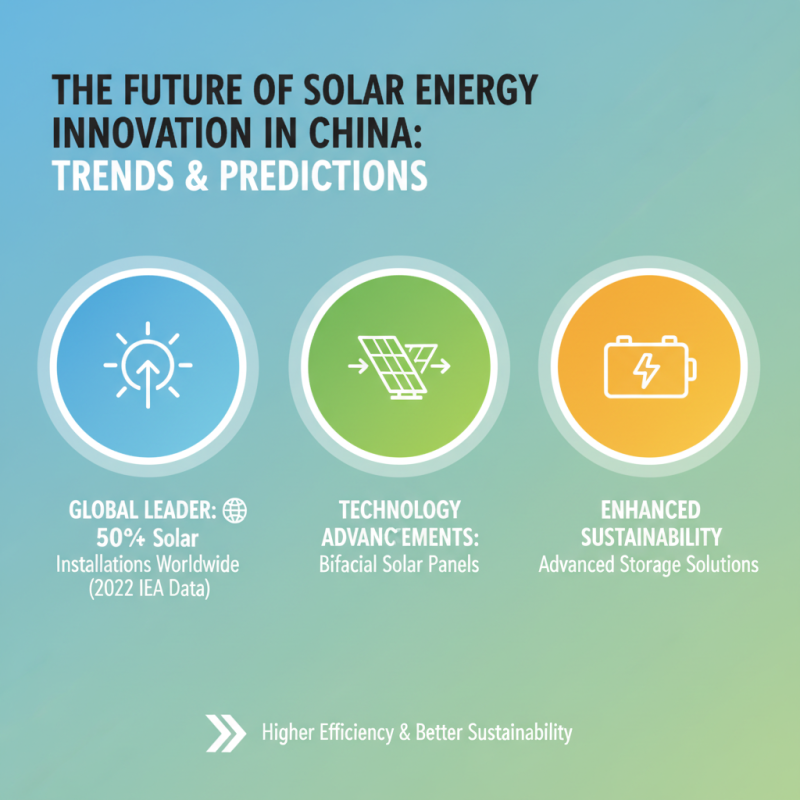
China’s solar energy landscape is rapidly evolving. As of 2022, China accounted for over 50% of global solar installations, according to the International Energy Agency (IEA). This growth shows the nation’s commitment to renewable energy. Innovations in solar technology, such as bifacial solar panels and advanced storage solutions, are leading the way. These advancements promise higher efficiency and better sustainability.
Trends indicate a shift toward smart solar systems. The integration of AI and IoT technologies into solar projects enhances energy management. Reports from the National Renewable Energy Laboratory show that such systems can increase energy generation by up to 30%. However, challenges remain. The reliance on supply chains for critical materials often poses risks. Moreover, the need for skilled labor in solar technology is pressing.
Tips: Consider the balance between innovation and reliability. Continuous improvements are vital, but oversight is needed. Investing in training programs can bridge the skills gap and ensure system durability. As China pushes forward, careful assessments and strategic planning will play crucial roles in achieving long-term solar success.