Why Choose a Ltcc Production Line for Your Manufacturing Needs?
In the rapidly evolving world of manufacturing, the choice of production line can significantly impact efficiency and output. One industry expert, Dr. John Smith, a leading authority in ceramics engineering, emphasizes the importance of selecting the right technology. He states, “Investing in an Ltcc Production Line can greatly enhance your capacity for innovation.”
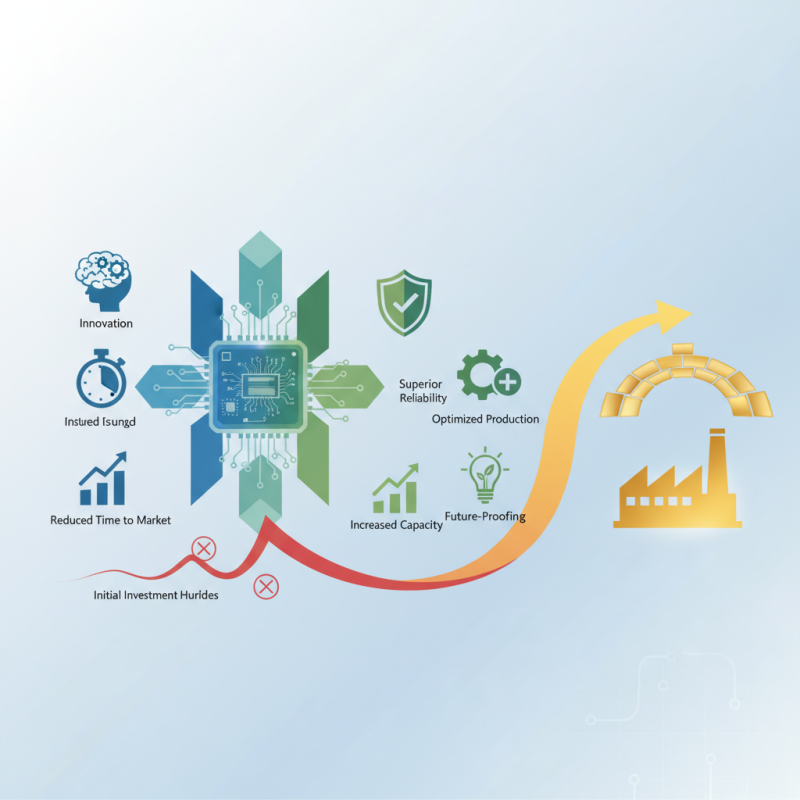
LTCC, or low-temperature co-fired ceramics, offers unique advantages tailored to modern manufacturing needs. It supports the creation of complex components with superior reliability. This technology can optimize production processes, improve product quality, and reduce time to market. Many manufacturers find that an LTCC production line not only meets their current demands but also prepares them for future challenges.
However, transitioning to an LTCC production line isn't without its hurdles. Initial investments can be considerable, and companies must evaluate their long-term goals carefully. The decision should involve thorough research and consideration of potential risks. With the right approach, an LTCC production line can redefine productivity and innovation in manufacturing.
Benefits of Implementing LTCC Technology in Manufacturing Processes
LTCC (Low Temperature Co-fired Ceramics) technology presents various advantages for modern manufacturing processes. One significant benefit is its ability to integrate multiple components into a single package. This integration reduces size and weight, which is crucial in sectors like automotive and aerospace. According to a recent industry report, using LTCC can decrease overall product volume by up to 50%, facilitating more compact designs.
Moreover, LTCC materials offer excellent electrical performance, particularly at high frequencies. The dielectric loss is minimal, making LTCC suitable for RF applications. A study indicated that manufacturers have observed improved signal integrity by over 30% when switching to LTCC technologies. This performance enhancement is vital as the demand for high-frequency applications continues to rise.
Despite these benefits, challenges remain. The initial setup costs for an LTCC production line may deter some companies. Additionally, the complexity of the materials can lead to longer production times. As the industry navigates these hurdles, continuous improvements in fabrication techniques are necessary. Manufacturers must weigh the advantages against these challenges to find the best path for their operations.
Overview of LTCC Materials and Their Properties for Efficient Production
LTCC (Low-Temperature Co-fired Ceramic) materials have gained momentum in the manufacturing landscape due to their unique properties. These ceramics combine excellent electrical insulating capabilities with high thermal stability. They are ideal for applications requiring compactness and efficiency. By integrating passive and active components, LTCC can reduce the overall size of electronic devices while maintaining functionality.
One remarkable aspect of LTCC materials is their ability to withstand harsh environments. Their chemical resistance and high dielectric strength make them suitable for various industries, from telecommunications to automotive. However, manufacturers should be aware of potential challenges. The co-firing process requires precision in temperature control, and any deviation can lead to defects. This complexity calls for a reliable production line that ensures quality and consistency.
Choosing an LTCC production line signifies a commitment to superior manufacturing. It enables the creation of multilayer circuits that optimize space and performance. Balancing innovation with practical constraints is essential. While LTCC offers distinct advantages, the learning curve in mastering the technology may present obstacles for some manufacturers. Embracing these challenges is crucial for leveraging the full potential of LTCC materials in production.
Market Trends: Growth Rate and Demand for LTCC Systems in Multiple Industries
The demand for LTCC (Low-Temperature Co-fired Ceramics) systems is increasing across multiple industries. According to a recent market report, the LTCC market is projected to grow at a compound annual growth rate (CAGR) of over 8% from 2023 to 2030. This growth is driven by the rising need for compact and high-performance electronic devices. Industries such as automotive, telecommunications, and medical devices are key contributors to this trend.
As technology advances, manufacturers face the challenge of producing smaller, more efficient components. LTCC technology allows for the integration of various functions into a single package. This is crucial for meeting the needs of modern applications. Additionally, the thermal stability and reliability of LTCC materials make them ideal for harsh environments. In fact, industry experts predict that the demand for LTCC systems will reach over $2 billion by 2027, emphasizing their pivotal role in future innovations.
Tip: Consider investing in LTCC production lines to stay ahead of market trends. This technology not only boosts efficiency but also reduces manufacturing costs in the long run. Analyze your specific requirements to determine the best LTCC solutions for your production needs. The transition may not be simple, but the potential benefits are significant.
Cost Analysis: LTCC Production Line vs. Traditional Manufacturing Methods
When evaluating the cost-effectiveness of LTCC production lines versus traditional manufacturing methods, several factors come into play. A comprehensive industry report from TechInsight estimates that LTCC production can reduce overall manufacturing costs by up to 30%. This reduction stems from enhanced material usage and lower labor intensity. Traditional methods often involve higher overhead and longer production cycles, which contribute to increased costs.
LTCC technology offers improved efficiency. For example, its compact design leads to reduced material waste. In contrast, traditional methods can generate significant scrap material, often exceeding 20% of production. Furthermore, LTCC lines require less floor space. This can translate into substantial savings in facility costs.
**Tip:** Consider the long-term savings of investing in LTCC production lines. While initial costs might be higher, the return on investment can be significant.
Another point to consider is the flexibility of LTCC production. Many manufacturers report that transitioning to LTCC allows for quicker adaptations to market demands. Traditional setups may struggle with this flexibility. Hence, weighing the initial costs against future adaptability is crucial.
**Tip:** Regularly assess your manufacturing needs. Market conditions can shift, and having a flexible production line can keep you competitive.
Why Choose a LTCC Production Line for Your Manufacturing Needs? - Cost Analysis
| Parameter | LTCC Production Line | Traditional Manufacturing Methods |
| Initial Investment Cost | $500,000 | $300,000 |
| Operating Cost per Unit | $0.50 | $0.70 |
| Production Speed (units/hour) | 1500 | 800 |
| Lead Time (weeks) | 4 | 6 |
| Material Utilization Rate (%) | 95 | 80 |
| Scalability | High | Medium |
| Flexibility (Design Changes) | High | Low |
Key Industry Applications of LTCC Technology and Their Performance Metrics
LTCC technology plays a crucial role in various industries. It offers unique benefits in applications like telecommunications, automotive, and medical devices. The integration of low-temperature co-fired ceramics enhances the performance and reliability of components. For instance, LTCC substrates can support higher frequencies, essential for 5G communication. This performance is backed by their low dielectric loss and excellent thermal management.
In automotive applications, LTCC provides durability and resistance to harsh conditions. Sensors and microelectronic packages benefit from the robust nature of LTCC. Their ability to withstand extreme temperatures adds to their appeal. However, the manufacturing process sometimes presents challenges. Achieving uniformity in the materials can be difficult and may require careful monitoring.
Medical devices also leverage LTCC technology for their compactness and efficiency. They enable miniaturization, which is vital for portable diagnostics. Yet, the certification process remains a hurdle that manufacturers must navigate. Ensuring materials are biocompatible and meet strict regulations is essential for success. This highlights the need for continuous improvement and assessment in LTCC production.
