Why Choose PV Energy for Sustainable Power Solutions?
In recent years, the shift towards renewable energy sources has gained significant attention. Among these, PV energy stands out as a powerful solution for sustainable power. Solar energy harnessed through photovoltaic cells is abundant and largely untapped. This makes it a desirable option for both residential and commercial settings.
Many households now install solar panels. This not only reduces electricity bills but also minimizes carbon footprints. The technology behind PV energy has improved greatly. With higher efficiency rates and better storage options, solar power has become more reliable than ever. However, some challenges remain. Initial investment costs can be high, and geographic limitations may affect efficiency.
It is essential to consider these factors. Transitioning to PV energy requires careful planning. By understanding the benefits and drawbacks, individuals and businesses can make informed choices. As society strives for a greener future, PV energy plays a crucial role in achieving sustainability goals.
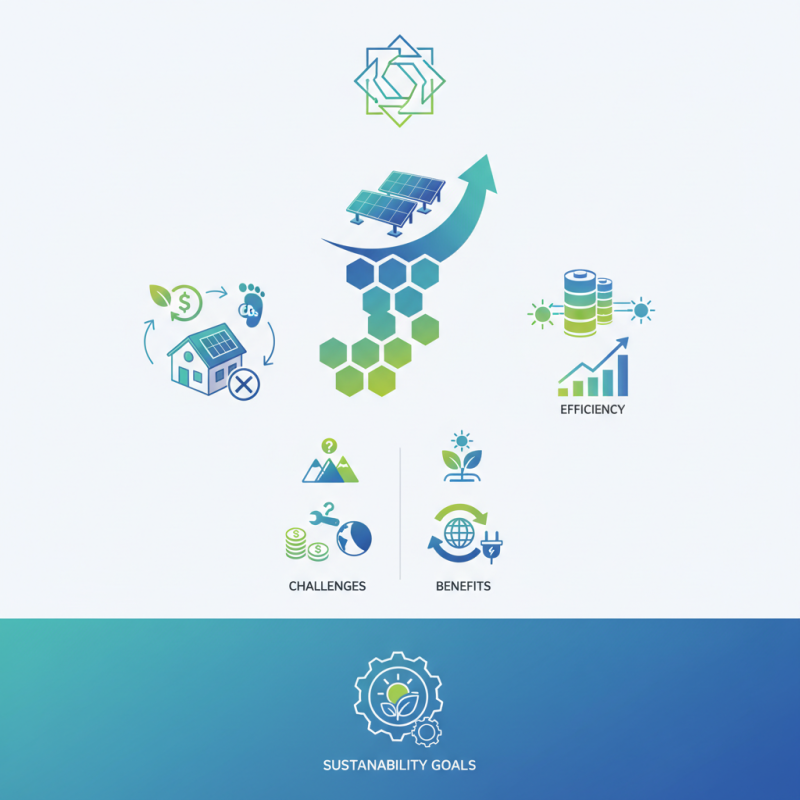
Benefits of PV Energy for Reducing Carbon Footprint
Photovoltaic (PV) energy stands out as a leading option for sustainable power. One significant benefit is its ability to reduce our carbon footprint. Solar panels convert sunlight into electricity, which means no harmful emissions. This aspect makes PV energy a clean and efficient choice for both homes and businesses.
Adopting PV energy systems can significantly lower greenhouse gas emissions. Each kilowatt-hour generated from solar reduces reliance on fossil fuels. This shift leads to fewer pollutants in the air. However, transitioning to solar isn't without challenges. Installation costs can be high, and not all areas receive equal sunlight. Still, the long-term benefits often outweigh the initial hurdles.
Additionally, PV energy promotes energy independence. As more people harness the sun's power, the demand for fossil fuels decreases. This shift can lead to a more stable energy future. It's essential to remain mindful of our consumption habits and understand the energy community's role. Embracing PV energy is a step toward a more sustainable world, but the journey requires thoughtful engagement and commitment.
Cost-Effectiveness of Solar Power in the Long Run
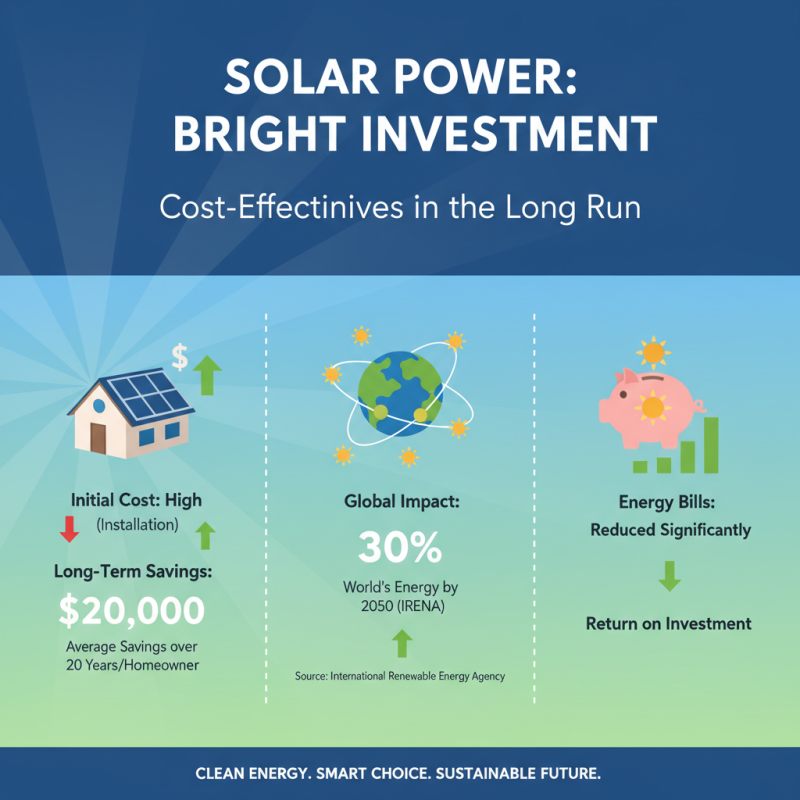
The adoption of solar power has significantly increased over the years. According to the International Renewable Energy Agency, solar energy could supply up to 30% of the world's energy needs by 2050. This impressive potential highlights the cost-effectiveness of solar energy in the long run. While initial installation costs can be high, studies show that homeowners save an average of $20,000 over 20 years through lower energy bills.
One key benefit of solar power is its low operational costs. Once installed, solar systems require minimal maintenance. A report from the National Renewable Energy Laboratory indicates that solar panel efficiency has improved by about 82% since the 1970s. This technology not only harnesses energy effectively, but it also offers consumers a chance to invest in their future.
Tips: Consider local incentives for installing solar panels. Rebates and tax credits can further reduce your costs. It's also wise to review your electricity usage to determine the optimal solar system size for your needs. Assessing your long-term energy goals can lead to more informed decisions.
Technological Advances in Photovoltaic Energy Systems
Photovoltaic (PV) technology has evolved significantly over the years. Advanced solar cells now convert more sunlight into electricity. This efficiency boost is largely thanks to innovative materials and improved designs. For instance, bifacial solar panels capture sunlight from both sides, increasing energy yield. These developments demonstrate the continuous progress in the field.
The integration of AI in PV systems optimizes energy production. Smart algorithms analyze weather patterns and energy usage. This ensures that solar power systems run at peak performance. However, challenges remain. Energy storage solutions still lag behind, affecting reliability. The variability of solar energy sources requires careful planning and investment in backup systems.
Another area for improvement lies in the recycling of solar panels. The growing volume of end-of-life panels raises questions about sustainability. Developing efficient recycling methods is crucial to fully realize the benefits of PV energy. As technology advances, addressing these issues will be vital for creating sustainable power solutions.
PV Energy and Energy Independence: A Path to Sustainable Future
As the world grapples with climate change, PV energy emerges as a key player in achieving energy independence. Solar photovoltaic (PV) technology harnesses sunlight, converting it into electricity, offering a renewable solution to our energy needs.
According to the International Energy Agency, solar power could account for over 30% of global electricity generation by 2030. This shift not only boosts energy availability but also enhances
national security by reducing dependence on imported fossil fuels.
Energy independence through PV energy is not without challenges. Initial installation costs can be high, often deterring widespread adoption. Furthermore, not all regions receive equal sunlight throughout the year, which affects energy output.
However, advancements in battery storage are addressing these disparities. By 2025, the price of solar batteries is expected to drop significantly, making solar energy viable for many households.
Data from the U.S. Department of Energy indicates that residential solar panel installations increased by 26% in 2020, reflecting a growing trend towards clean energy sources.
This commitment to renewable energy is critical for a sustainable future. Transitioning to PV energy not only combats climate change but also empowers communities.
Individuals can play a role in the energy transition, reducing their carbon footprints while fostering local economies.
Environmental Impact of Solar Energy Compared to Fossil Fuels
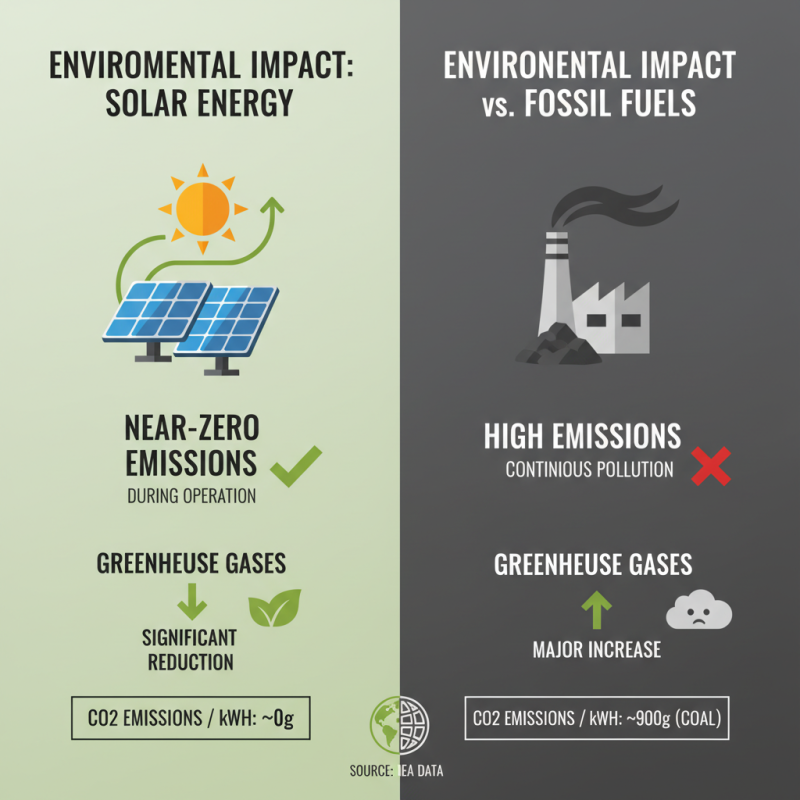
Solar energy offers major advantages over fossil fuels, especially regarding environmental impacts. According to the International Energy Agency (IEA), coal plants release about 900 grams of CO2 per kilowatt-hour of energy produced. In contrast, solar photovoltaic systems emit nearly zero emissions during operation. This reduction can lead to significant drops in greenhouse gas concentrations.
Water usage is another crucial factor. Fossil fuel extraction and processing require vast amounts of water. The U.S. Department of Energy notes that traditional energy sources use up to 20 times more water than solar energy systems. Solar panels need minimal water for maintenance, translating to lower stress on local water resources.
Waste generation also raises concerns. Fossil fuel power plants generate hazardous waste, posing disposal challenges. By 2026, the solar industry estimates that over 200,000 tons of solar panels will reach the end of their life-span. Developing effective recycling methods is key. Although progress is being made, the industry must continue improving in waste management. Solar energy shines as a sustainable solution, but reflections on environmental impacts should persist.