How to Choose the Best Solar PV Panels for Your Home in 2026?
As we look ahead to 2026, the choice of solar PV panels for residential use becomes increasingly vital. According to Dr. Emily Johnson, a leading expert in solar energy systems, "Selecting the right solar PV panels can dramatically affect your home's energy efficiency." This statement highlights the importance of making informed choices.
When considering solar PV panels, homeowners must assess various factors. The efficiency ratings, durability, and warranty offered play crucial roles. Brands vary significantly in quality and technology. For instance, some panels perform better in low light than others. This difference can impact energy production on cloudy days.
Moreover, it's easy to feel overwhelmed by options. Not all panels are created equal. Homeowners might find themselves leaning toward high-priced models without a clear understanding of their benefits. It is essential to research and compare. In the end, the right choice can lead to substantial long-term savings and energy production. By being mindful of these factors, homeowners can make a decision that suits their needs.
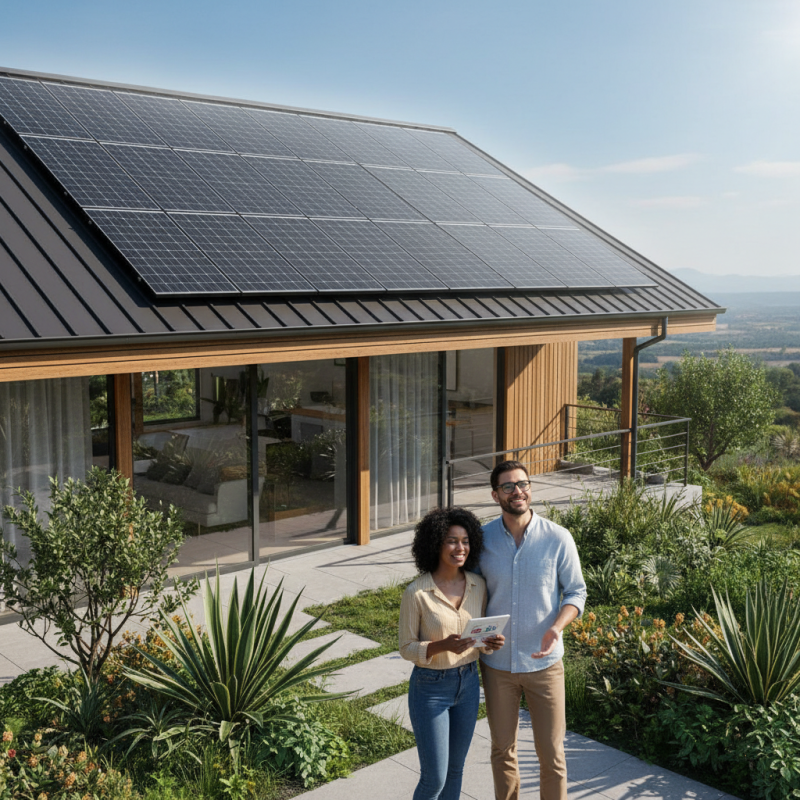
Understanding Solar PV Panel Basics and Technologies for 2026
When looking for solar PV panels in 2026, it’s crucial to understand the basics. Solar panels convert sunlight into electricity. The technology has advanced, but some factors remain constant. Look for efficiency ratings. Higher efficiency means more energy production from less space.
Different types of solar panels exist: monocrystalline, polycrystalline, and thin-film. Monocrystalline panels are often more efficient. However, they may cost more. Polycrystalline panels are budget-friendly but less efficient. Thin-film panels are flexible and lightweight, making them easier to install.
Consider the durability of the materials used. Panels should withstand harsh weather. Pay attention to certifications too. They ensure quality and reliability over time. Think about your energy needs. Will you have enough roof space? What about local regulations? These questions matter. Keep them in mind as you explore solar options.
Evaluating Solar Panel Efficiency Ratings and Performance Metrics
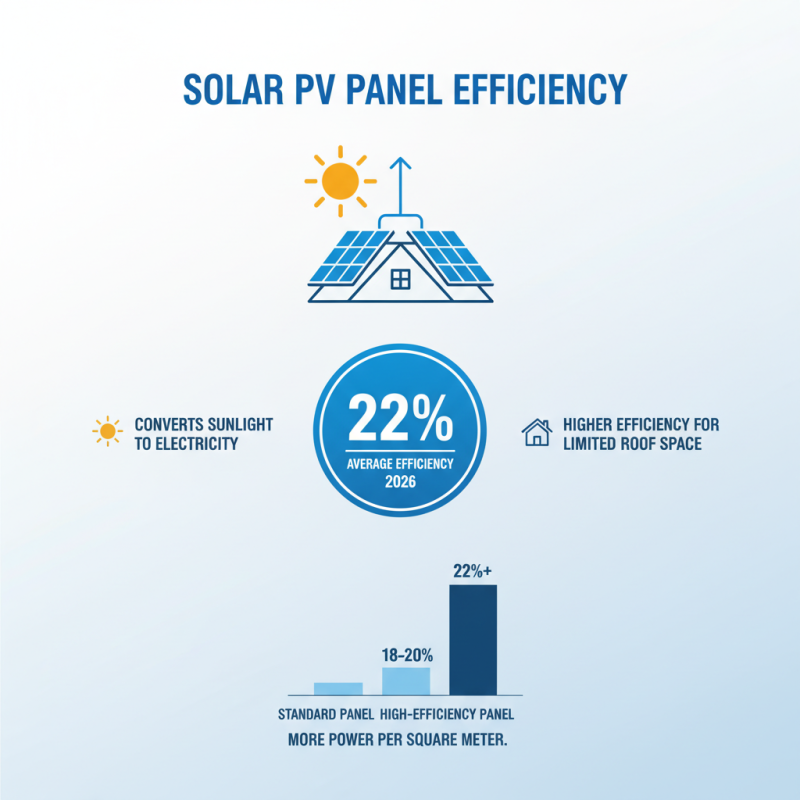
When evaluating solar panel efficiency, metrics play a crucial role. Efficiency ratings indicate how much sunlight a panel converts into usable electricity. As of 2026, panels commonly range from 15% to over 22% efficiency. Higher efficiency means more energy can be generated in the same space. For homeowners with limited roof area, choosing panels with higher ratings can be vital.
Performance metrics go beyond efficiency. Temperature coefficient, for instance, indicates how performance changes with temperature rise. A negative coefficient means output decreases in heat. Some reports suggest a 0.5% loss per degree Celsius increase. Understanding this helps in selecting the right panels for various climates.
Durability is also essential. Many panels come with warranties of 25 years, but not all panels perform consistently. Some lose efficiency faster than others. Practical experience shows that real-world conditions often affect performance. Investigating long-term studies and customer reviews can uncover these insights. It's essential to balance efficiency, performance metrics, and reliability when making your decision.
Comparison of Solar Panel Efficiency Ratings - 2026
This chart compares the efficiency ratings of five different solar PV panels in 2026. Higher efficiency ratings indicate better performance and energy output from solar panels, which is crucial for homeowners when choosing the best solar technology for their needs.
Comparing Solar Panel Costs and Financing Options for Homeowners
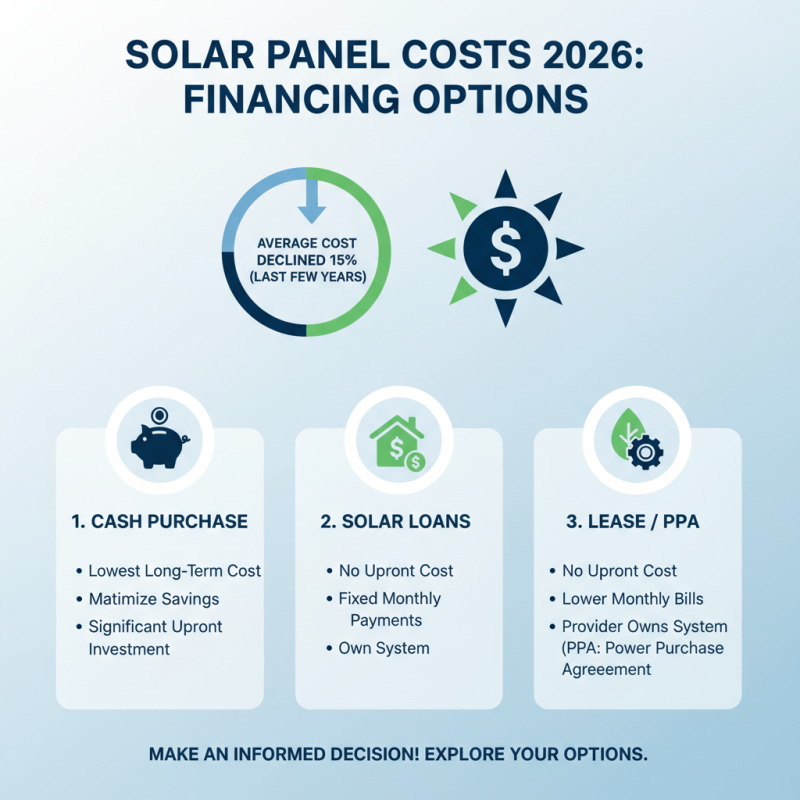
When considering solar panel costs for 2026, homeowners should explore various financing options. According to the latest reports, the average cost of solar PV systems has seen a decline of about 15% over the last few years. Still, upfront costs can be significant. To make an informed decision, understanding financing options is crucial.
Homeowners can benefit from tax credits. In many regions, federal incentives cover 26% of installation costs. Some states also offer additional rebates, further easing the financial burden. However, not all homeowners may qualify. Income levels and property types can affect eligibility. Additionally, interest rates on solar loans vary significantly. Researching local financing rates could save thousands.
Beware of pitfalls when selecting financing. Some options may appear attractive but come with hidden fees. Lease agreements offer easy upfront access to solar energy but can become costly over time. In contrast, purchasing outright might seem daunting initially but proves economical in the long run. Balancing the initial investment and long-term savings is essential. Homeowners often overlook this when making decisions.
Assessing Warranty and Longevity of Solar PV Panels Before Purchase
When considering solar PV panels, the warranty and longevity are crucial factors. A longer warranty can indicate better quality and durability. Many manufacturers offer warranties ranging from 10 to 25 years. However, don't just focus on the length. Consider what the warranty actually covers. Some warranties include performance guarantees. Others cover physical damage. Reading the fine print helps.
Tips: Always check for the warranty specifically on the inverter. It's often overlooked, yet it can be one of the most expensive components to replace. Ensure it covers at least 5 to 10 years.
Longevity is equally important. Most solar panels last around 25 years, but performance can degrade over time. Look into degradation rates. Some panels lose efficiency faster than others. A panel with a lower degradation rate can save you money in the long run.
Tips: Ask for real-life performance data from past customers. This information can give you insight into how well the panels perform beyond the warranty period.