How to Choose the Best Solar Technology for Your Business?
Choosing the right solar technology is crucial for businesses looking to reduce costs and enhance sustainability. With the solar market projected to grow to $223.3 billion by 2026, understanding your options is essential. As noted by industry expert Dr. Emma Lawson of the Solar Energy Research Institute, "The best solar technology aligns with both current energy needs and future growth."
The diverse range of solar technologies available can be overwhelming. From photovoltaic (PV) panels to solar thermal systems, each option has unique benefits. According to a report by GTM Research, companies that invest in solar can save up to 70% on energy costs over 20 years. However, many businesses struggle to identify the best fit for their specific circumstances.
Evaluating solar technology requires thoughtful consideration. Factors such as energy requirements, installation costs, and available incentives play a significant role. Experts suggest seeking tailored solutions to meet individual business goals. The rapidly evolving landscape of solar technology can lead to mistakes if not approached carefully. Understanding these dynamics is key to making an informed decision that meets not just immediate needs but long-term sustainability goals.
Understanding the Different Types of Solar Technologies Available Today
When considering solar technology, it's vital to understand the options available. Photovoltaic (PV) panels are common. They convert sunlight directly into electricity. There are also solar thermal systems, which use sunlight to heat water. Each system has unique advantages and applications.
Concentrated solar power (CSP) is another option. It utilizes mirrors to focus sunlight, generating heat that produces electricity. This technology works best in sunny regions. However, installation can be complex. It requires significant space and investment.
Finally, thin-film solar cells provide a lightweight alternative. They can be integrated into various surfaces, making them versatile. Yet, they tend to have lower efficiency compared to traditional panels. Choosing the best technology involves weighing these factors against your business's specific needs. Each option has strengths and weaknesses, fostering reflection on what suits you best.
How to Choose the Best Solar Technology for Your Business?
| Solar Technology Type |
Efficiency (%) |
Typical Lifespan (Years) |
Cost (per Watt) |
Best Use Case |
| Monocrystalline |
15-22% |
25-30 |
$0.70 - $1.00 |
Residential and Commercial rooftops |
| Polycrystalline |
13-16% |
20-25 |
$0.60 - $0.80 |
Larger installations, cost-effective solutions |
| Thin-Film |
10-12% |
10-20 |
$0.50 - $0.70 |
Flexible applications, large scale |
| Bifacial |
15-25% |
25-30 |
$0.90 - $1.20 |
Ground-mounted installations, high-efficiency needs |
Evaluating the Energy Needs and Consumption Patterns of Your Business
When evaluating energy needs and consumption patterns for your business, it's essential to conduct a thorough assessment. Start by analyzing your current energy usage. Look at monthly utility bills for at least the past year. This helps you identify peak consumption times. Know when your business consumes the most energy. Are there specific months that are much higher?
Tip: Keep a detailed log of energy usage. Include date, time, and energy consumption. This log will provide clarity on your business's energy patterns.
Next, understand how different solar technologies can meet your specific needs. Each system varies in efficiency, installation cost, and maintenance. Research available options. Consider factors like your location’s sunlight exposure and your facility's size. Calculate your energy goals. Will you aim for partial or full energy independence?
Tip: Consult with energy experts. Gather insights on what system designs have worked for similar businesses. This peer experience can make a significant difference. Engaging with industry professionals offers valuable guidance. Make informed choices for your energy future. Explore case studies for additional context. Not every solution fits every business. Be ready to adapt.
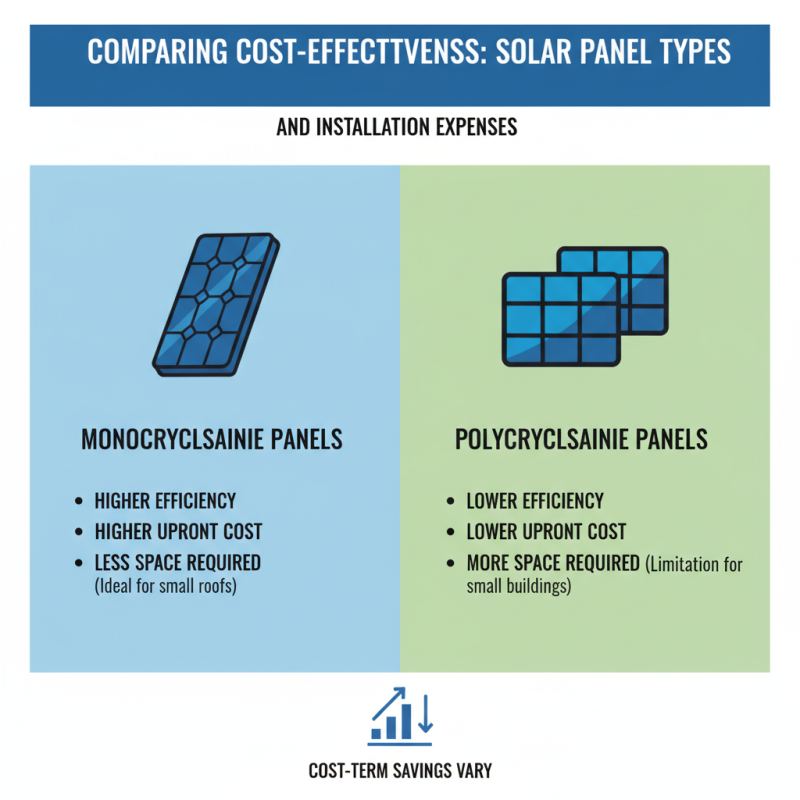
Comparing Cost-Effectiveness: Solar Panel Types and Installation Expenses
When evaluating solar technology for your business, understanding cost-effectiveness is crucial. Different solar panel types come with varying installation expenses. Monocrystalline panels tend to be more efficient and have a higher upfront cost. They occupy less space, making them great for businesses with limited roof area. Conversely, polycrystalline panels are generally cheaper but require more space. This can be a limitation if your building is small.
Installation costs also matter. Factors like roof type, location, and complexity can raise expenses. Some businesses report installation fees that vary widely. For instance, a flat roof may incur higher labor costs due to safety measures. It's wise to get multiple quotes before committing.
Long-term benefits may offset initial expenditures. Businesses can save significantly on energy bills over time. However, energy needs can change, and this could influence overall savings. It's essential to re-evaluate your energy consumption regularly. This reflection can lead to informed decisions about the right solar technology for your needs. The journey to find the perfect option is often a challenging one.
Assessing Local Climate and Solar Resource Availability for Optimal Performance
When selecting solar technology for your business, understanding local climate and solar resource availability is crucial. Different regions receive varying amounts of sunlight throughout the year. This variation can significantly impact the efficiency and performance of solar systems. For instance, a business located in a sunny area can generate more energy compared to one in a region with frequent cloud cover.
Evaluating solar resource data is essential. Tools like solar maps and weather patterns can provide insights into how much sunlight your location typically receives. It's important to consider seasonal changes as well. Winter months might have less sunlight, affecting energy production. Some businesses may overlook this factor and invest heavily without assessing these details thoroughly.
Long-term viability also hinges on acknowledging these conditions. Regularly monitoring solar output can help identify underperformance linked to weather patterns. Reflecting on this data can lead to better adjustments in technology choice or maintenance strategies. A well-informed decision can enhance overall energy efficiency and ultimately save costs.
Incentives and Regulations: Navigating Financial Benefits for Solar Adoption
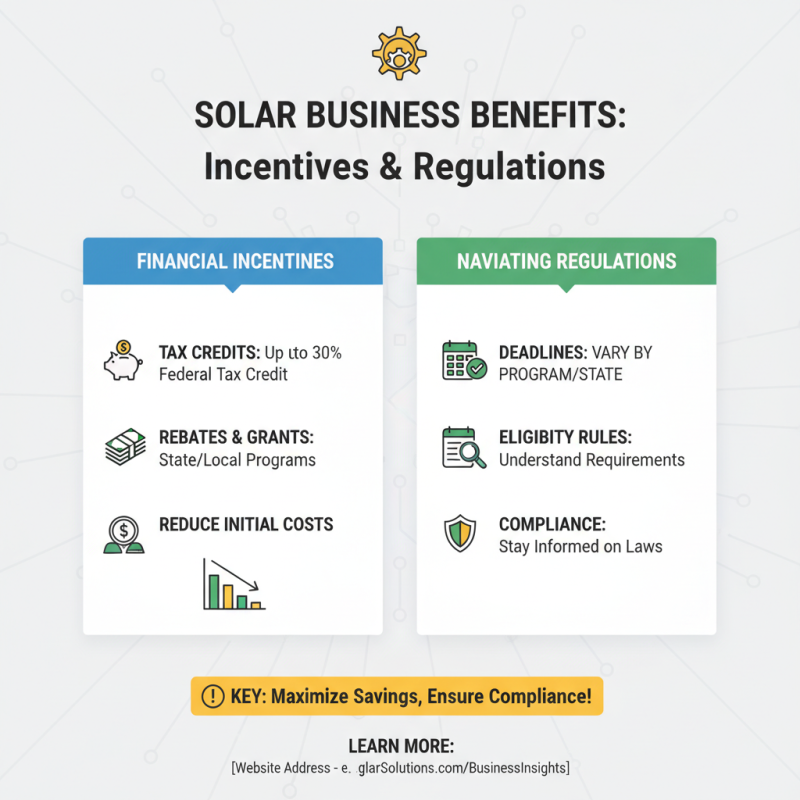
Navigating the complex landscape of solar incentives and regulations is critical for businesses considering solar adoption. Many states offer tax credits, rebates, and grants to encourage renewable energy use. Understanding these financial benefits can significantly reduce initial investment costs. For example, some regions provide a 30% federal tax credit for solar systems installed by businesses. This is a substantial incentive, but deadlines and regulations vary.
Businesses should also be aware of local policies. Utility companies often have specific programs that incentivize solar investments. These can include net metering options that credit businesses for excess energy produced. However, not all states have favorable policies. Some have limited net metering or high interconnection fees, which can impact return on investment.
It's important to conduct thorough research before committing to a solar project. Speak with industry experts and local officials to clarify eligibility and application processes. Some incentives may require extensive documentation or timely submissions. This can be daunting, but gathering accurate information will lead to better financial decisions. Remember, regulations frequently change, so staying updated is crucial for maximizing potential benefits.