How to Choose One Solar System for Your Home Energy Needs?
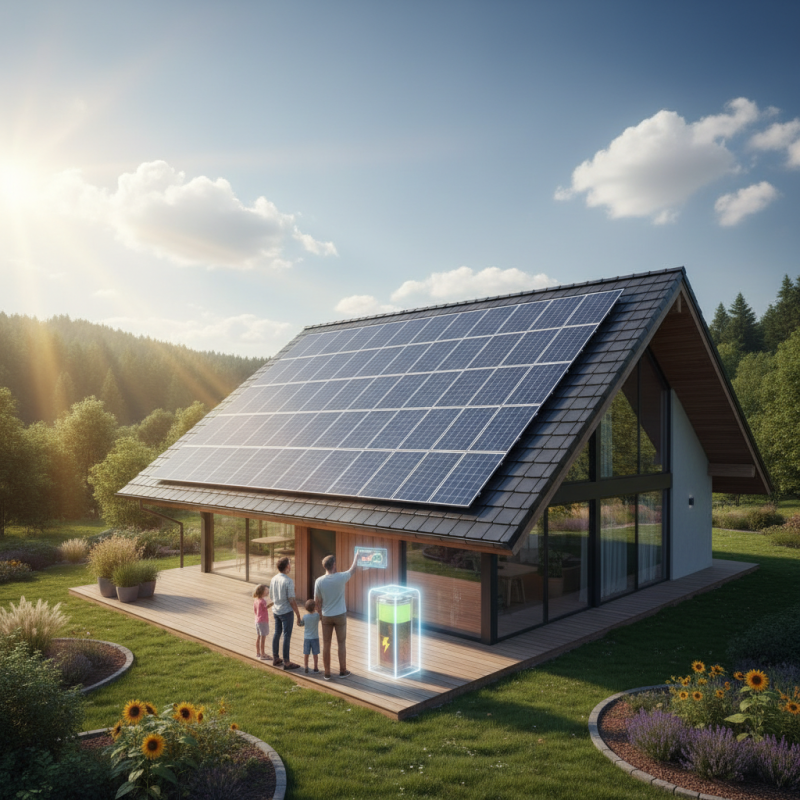
Choosing one solar system for your home can be overwhelming. With many options available, understanding your energy needs is crucial. Each home is unique, and preferences vary. Selecting one solar system requires careful consideration of your specific requirements.
It's essential to evaluate factors like energy consumption, roof space, and budget. A solar system should align with your lifestyle and financial goals. Research different technologies, such as solar panels and batteries, to make informed decisions. Seek expert advice and reliable sources for guidance.
Often, homeowners make decisions based on initial cost alone. Yet, long-term benefits and system efficiency are equally important. Reflecting on these aspects can lead to a sustainable choice. Ultimately, choosing one solar system is about balancing needs and maximizing efficiency.
Understanding Your Home's Energy Requirements
Understanding your home's energy requirements is essential for selecting a solar system. Many homeowners overlook key factors. Your average electricity consumption is a crucial element. According to the U.S. Energy Information Administration, a typical household consumes about 877 kWh per month. However, energy usage can vary widely.
Start by auditing your energy habits. Identify high-consumption appliances like HVAC systems and refrigerators. These often account for a large percentage of your energy bill. Adjusting habits here can reduce your overall need, making it easier to size a solar system. An analysis by the National Renewable Energy Laboratory suggests that understanding peak usage hours helps in optimizing solar power intake.
Consider factors like local climate and seasonal variations. For instance, higher energy needs in summer for cooling should inform your solar design. Your roof's orientation and shading also impact energy production. If your roof doesn’t receive ample sunlight, it may require a larger system to meet your needs, which raises costs. Inadequate planning can lead to a mismatched system that either underperforms or exceeds your requirements. Prioritize accurate energy assessments to navigate these complexities effectively.
Energy Consumption Breakdown for a Typical Home
Types of Solar Systems for Residential Use
When considering solar systems for residential use, it’s important to understand the available types. The three main options are grid-tied systems, off-grid systems, and hybrid systems. Each type has its unique benefits and drawbacks, impacting your energy needs and financial savings.
Grid-tied systems are the most popular. They connect to the local electricity grid. Homeowners can sell excess energy back to the grid. According to the Solar Energy Industries Association, these systems accounted for 88% of all residential installations in 2021. They often require less upfront investment, making them attractive for many homeowners. Yet, they depend on the grid for energy during outages.
Off-grid systems are different. They function independently from the local grid. These systems usually include battery storage for energy. Data indicates that about 5% of residential solar installations are off-grid. They offer energy independence but come with higher costs and complexity. Transitioning to off-grid may require significant financial investment. Many homeowners struggle with battery replacement costs over time.
Hybrid systems combine both grid-tied and off-grid features. They provide flexibility during outages and can store excess energy while being connected to the grid. This type of system is growing in popularity. Homeowners appreciate the balance of reliability and independence. Yet, determining the optimal system for your needs can be daunting. Homeowners often find it challenging to weigh cost versus energy savings effectively. Taking the time to analyze your specific energy needs and local regulations is crucial.
Assessing Installation Costs and Financial Incentives
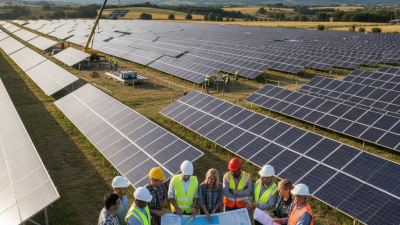
When assessing installation costs for a solar system, it's essential to analyze all related expenses. According to the Solar Energy Industries Association (SEIA), the average cost of solar installation in the U.S. ranges from $15,000 to $25,000 before incentives. These figures can vary widely based on system size, location, and roof type. Understanding upfront costs helps homeowners plan their budgets more efficiently.
Financial incentives can significantly reduce the overall investment. The federal solar tax credit allows homeowners to deduct 26% of the installation cost on their taxes. Some states offer additional rebates or performance-based incentives. For instance, California’s Self-Generation Incentive Program offers up to $1.00 per watt for residential solar systems. However, navigating these incentives can be confusing and may require thorough research. Homeowners might miss out on savings if they overlook local programs or specific eligibility criteria.
Investing in solar might seem daunting due to initial costs and complexities. However, many financial institutions provide solar loans and leasing options, often leading to lower monthly payments. Still, potential buyers should carefully evaluate their long-term financial goals. Each homeowner's situation is different, and what works for one may not work for another. Balancing initial costs with future savings requires clear thinking and careful decisions.
Considerations for Maintenance and Longevity of Solar Systems
When choosing a solar system for your home, maintenance and longevity are crucial factors. A well-maintained system can last 25 years or more. Regular inspections help identify issues early on. They can prevent costly repairs later. Keeping your solar panels clean is vital. Dirt and debris can reduce efficiency.
Tips: Schedule regular cleanings. This can boost energy production. Check your inverter regularly as it is the system's brain. If it fails, the whole system is affected. Monitor your energy output to catch any drops. A sudden decrease often indicates a problem.
Also, consider environmental factors. Tree shade can hinder solar performance. Trim overhanging branches to maximize sunlight exposure. Harsh weather can impact lifespan. Ensure your installation is durable and weather-resistant. Look for features that protect against hail and strong winds.
Don’t overlook warranties. A solid warranty can provide peace of mind. Ensure your solar installer offers support for maintenance concerns. Research their history and expertise. Reliable companies enhance the longevity of your system.