How to Create an Engaging Solar System Project for Students?

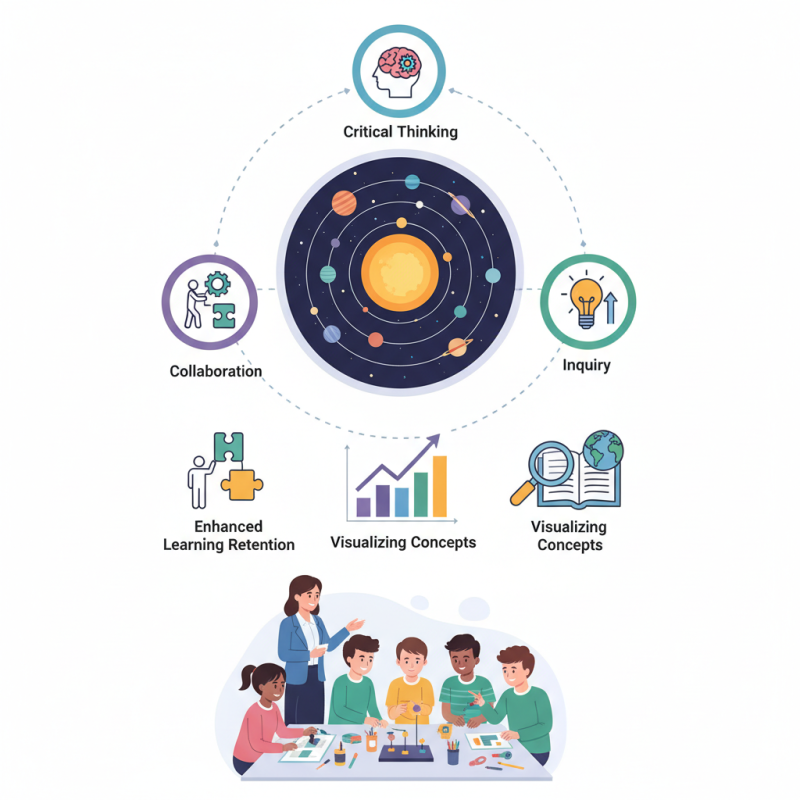
Creating a solar system project can be an exhilarating way to engage students in science. According to a study by the National Science Teachers Association, hands-on projects enhance learning retention by up to 75%. This statistic underscores the value of immersive experiences. Renowned educator Dr. Emily Carter emphasizes, "A well-designed solar system project not only excites but also fosters critical thinking in young minds."

Students often struggle with abstract concepts in astronomy. A practical approach, like a solar system project, allows them to visualize and understand complex ideas. For instance, building a scale model can illustrate the vast distances between planets. However, challenges arise in accuracy and representation. Not every student grasps proportionality the first time. These moments of confusion can spark vital discussions and deeper inquiry.

Engaging students through a solar system project also encourages collaboration and creativity. Group activities help build teamwork skills. Nevertheless, teachers may find it difficult to balance guidance and allowing student independence. Ultimately, the goal is to inspire curiosity while facilitating learning.
How to Create an Engaging Solar System Project for Students?

Understanding the Importance of the Solar System in Education

The solar system captivates students’ imagination. It offers vast opportunities for learning and discovery. Understanding our place in the universe sparks curiosity. It forms connections between science, technology, and mathematics. This interdisciplinary approach enhances critical thinking skills.

Educators can create immersive projects. Building models of planets or simulating orbit paths engages learners actively. These hands-on activities symbolize complex concepts. Visualizing abstract ideas helps students retain knowledge. However, some projects may seem overwhelming. Finding the right balance of challenge is essential.

Incorporating technology is vital. Interactive apps and virtual reality experiences can deepen understanding. They make learning exciting and relatable. Yet, reliance on technology may hinder creativity. It is crucial to encourage original thinking. Building a solar system project should also include areas for improvement and reflection, allowing students to learn from their challenges.
Choosing the Right Age Group and Learning Objectives

Choosing the right age group for a solar system project is essential. Young learners may enjoy hands-on activities like building models or interactive games. For example, using clay to create planets allows for creativity and fine motor skills development. As students grow older, their projects can become more complex, incorporating technology such as digital presentations or simulations.

Setting clear learning objectives is just as important. For younger students, the goal might be to identify the planets and learn their order from the sun. Older students can explore deeper concepts such as gravity or orbital mechanics. Encouraging them to ask questions can spark curiosity. However, some students may struggle with abstract concepts, so teachers should be ready to offer different approaches or tools to visualize these ideas. This flexibility can guide students to a better understanding.

Selecting Engaging Project Formats and Presentation Methods

How to Create an Engaging Solar System Project for Students?

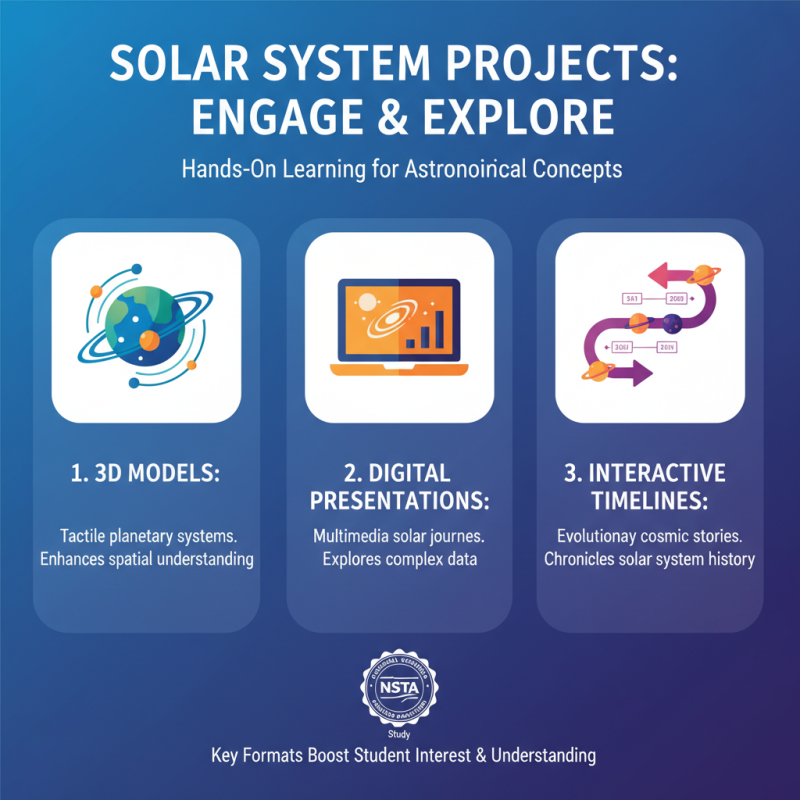
When creating an engaging solar system project, the choice of format greatly influences student interest. According to a study by the National Science Teaching Association (NSTA), hands-on projects enhance student understanding of astronomical concepts. Options include 3D models, digital presentations, or interactive timelines. Each provides a unique way to explore the solar system.

Using visuals can make complex ideas clearer. Infographics are effective in presenting data about planets. They can summarize size, distance, and unique features. These simple formats can spark curiosity. Consider incorporating quizzes or polls to keep engagement high.

Tip: Allow students to pick their preferred format. Ownership boosts enthusiasm. While creativity is encouraged, guide them on research integrity. Students may struggle with distinguishing reliable sources. Introduce tools that flag credible data. Remind them that not all information on the internet is accurate. Focus on building critical thinking skills alongside creativity.

Incorporating Hands-On Activities and Experiments

How to Create an Engaging Solar System Project for Students?

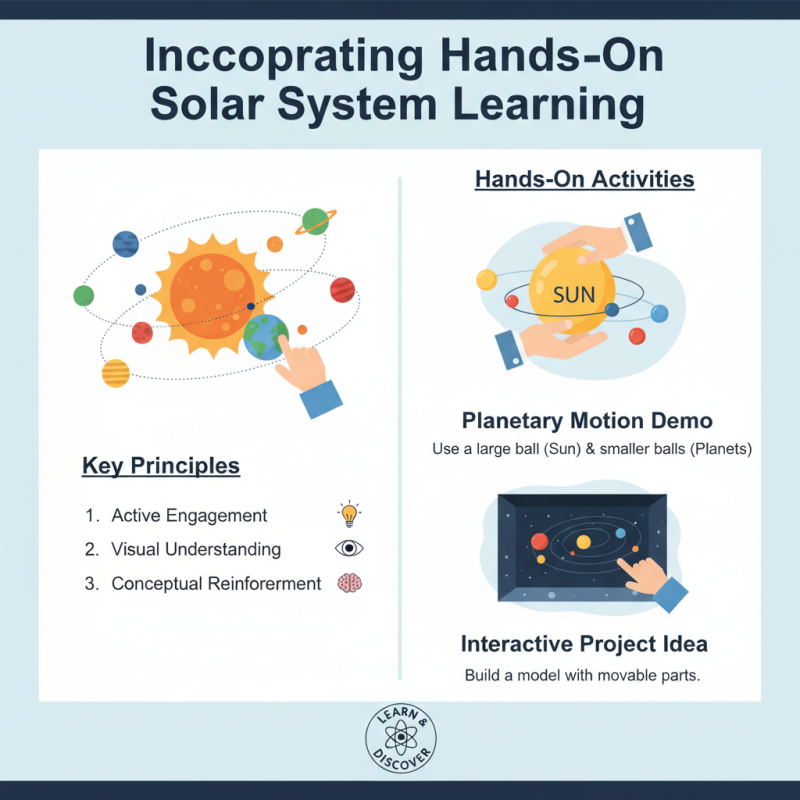
Creating an engaging solar system project requires a focus on hands-on activities. Students learn best when they can interact with their projects. Start with simple experiments that demonstrate planetary motion. Use a ball to represent the sun and smaller balls for planets. This visual approach helps solidify concepts.

Students can create their own scale models. They can use common household items. For example, a grape can represent Earth, while a watermelon could represent Jupiter. Encouragement is key; students might struggle to grasp scale, but that’s part of the learning process. Reflection on their challenges encourages deeper learning.

Group discussions can foster collaboration. Students can share their findings. This helps them analyze each other’s work. They may find some models more creative than others. Emphasizing that there’s no single 'correct' model is vital. Mistakes and different interpretations lead to valuable conversations and insights.

Tips for Encouraging Creativity and Collaboration Among Students

Creating an engaging solar system project can inspire students' creativity. Encouraging collaboration among them boosts learning. Here are some tips to foster this teamwork.

Group students into diverse teams. This mix enhances creativity. Each student brings unique ideas. Assign specific roles within each group. For example, one can focus on research, while another designs visuals. This helps ensure everyone participates.

Encourage brainstorming sessions. Let students share wild ideas, no matter how impractical. This freedom can lead to innovative concepts. Provide materials like poster boards, colors, and models. Hands-on work stimulates imagination.

Regular check-ins are beneficial too. Discuss progress and any challenges faced. This allows students to reflect and adapt their project approach. Training them to give and receive constructive feedback enhances collaboration. The journey through this project is as important as the final product.