Top Electric SUV Cars in China for Global Buyers?
As the electric vehicle market continues to grow, the demand for Electric Suv Cars in China has reached unprecedented heights. According to a report from the China Association of Automobile Manufacturers, electric SUVs accounted for over 30% of the total vehicle sales in the first half of 2023. This surge reflects a shift in consumer preferences toward more sustainable options that offer both versatility and performance.
China's electric SUV segment has become a focal point for global buyers. Renowned manufacturers like BYD and NIO are leading the charge with innovative designs and advanced technology. Their offerings boast impressive ranges, with some models exceeding 600 kilometers on a single charge. However, the rapid expansion of this market comes with challenges, such as battery production constraints and competition, particularly from Western brands entering the fray.
Consumers should approach the Electric SUV landscape with informed choices. While many models appear promising, not all meet the anticipated standards. Some vehicles may lack crucial features or reliability, raising questions about long-term performance. Therefore, buyers are encouraged to conduct thorough research. Ultimately, understanding the nuances of the market is vital for making the best purchasing decision.
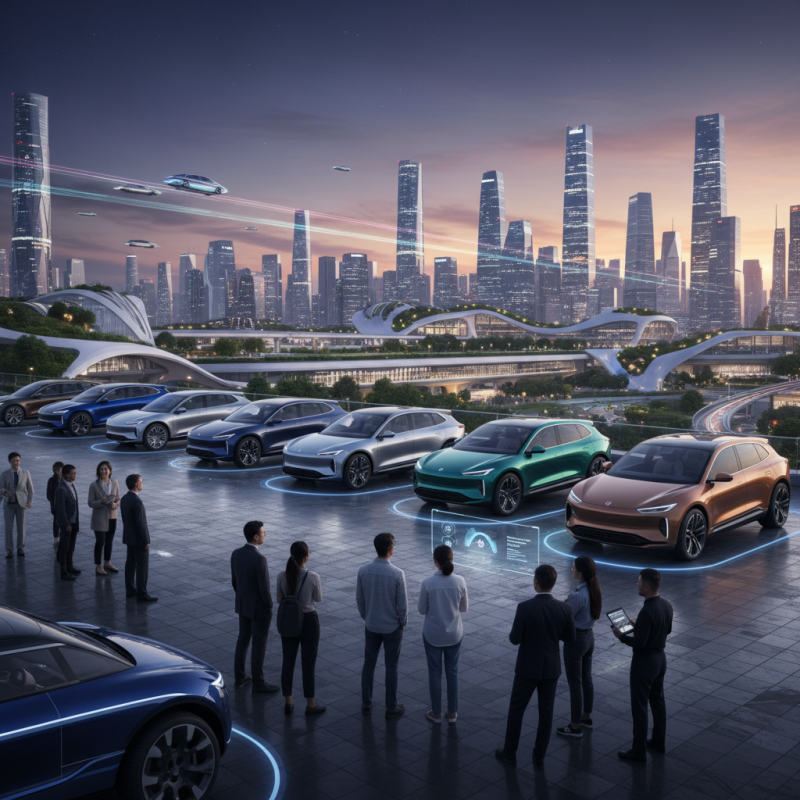
Overview of the Electric SUV Market in China
The electric SUV market in China is growing rapidly. This shift reflects a change in consumer preferences toward greener options. Many buyers are now favoring electric vehicles for their environmental benefits and reduced running costs. Two figures to note are the surge in production and sales, which have doubled in the past year alone. However, some issues still need addressing.
While many automakers are investing heavily in electric SUVs, the competition is fierce. New models flood the market every month, making it hard for buyers to choose. Demand for high-tech features is rising, but not all brands can keep pace. There is a risk of overstating capabilities, leading to consumer distrust. Buyers often feel overwhelmed by the choices and features advertised.
Charging infrastructure also faces challenges. Despite improvements, many regions still lack sufficient charging stations. This can deter potential buyers from making a purchase. Range anxiety remains a significant concern for many consumers. As the market develops, manufacturers must focus on reliability and convenience. Addressing these aspects will be crucial for sustaining growth in the electric SUV segment.
Key Features of Popular Electric SUVs for Global Buyers
The electric SUV market in China is rapidly evolving. Recent reports indicate that electric SUVs accounted for over 40% of all vehicle sales in the first half of 2023. This surge reflects changing consumer preferences towards sustainability. Many buyers prioritize efficiency and range. Thus, understanding feature sets becomes essential.
Safety features are crucial for many consumers. Advanced driver-assistance systems (ADAS) have become standard in many electric SUVs. These technologies enhance driving comfort and safety. A study from a leading automotive research firm states that 78% of buyers consider these features as essential. Moreover, range anxiety remains a barrier. Most well-known electric SUVs now offer more than 300 miles on a single charge. This addresses the concerns of long-distance travel.
Design and technology also play significant roles. Sleek and modern designs attract younger buyers, while user-friendly interfaces with cutting-edge infotainment systems appeal to tech-savvy consumers. However, there are inconsistencies in quality, and not all models perform well in crash tests. This highlights the need for buyers to research thoroughly before making a decision. As the market grows, ongoing assessment of features will be paramount for purchasers.
Comparison of Leading Brands and Models in China
The electric SUV market in China has seen rapid growth. Reports indicate that sales of electric SUVs increased by over 150% in the past year. The demand is fueled by rising environmental concerns and government incentives. Buyers are looking for a blend of performance, range, and technology in their vehicles.
Leading models vary significantly in features. Some prioritize cutting-edge tech, while others focus on battery efficiency. A recent industry analysis shows that consumers are increasingly favoring SUVs with a range exceeding 400 kilometers. This preference aligns with the growing desire for practicality. Data reveals that almost 70% of buyers consider range as a key factor in their purchase decisions.
However, challenges remain in this competitive landscape. Many brands struggle with quality control and after-sales service. Problems such as software bugs and battery issues sometimes arise. Buyers must weigh the pros and cons carefully. The outcome is a market that, despite its flaws, continues to innovate rapidly. This creates opportunities and uncertainties for global buyers exploring electric SUVs from China.
Top Electric SUV Cars in China for Global Buyers
| Model | Battery Capacity (kWh) | Range (km) | Power (HP) | 0-100 km/h (s) | Price (USD) |
| Electric SUV A | 75 | 500 | 200 | 6.5 | 45,000 |
| Electric SUV B | 80 | 520 | 250 | 5.9 | 50,000 |
| Electric SUV C | 90 | 550 | 300 | 5.5 | 55,000 |
| Electric SUV D | 70 | 480 | 220 | 6.2 | 40,000 |
| Electric SUV E | 85 | 530 | 230 | 5.8 | 48,000 |
Government Policies and Incentives for Electric SUVs in China
China's electric vehicle (EV) market is booming, largely due to government policies. These initiatives are designed to accelerate the adoption of electric SUVs among consumers. Incentives include subsidies, tax breaks, and grants aimed at both manufacturers and buyers. According to a report by the China Association of Automobile Manufacturers, electric vehicle sales skyrocketed by over 200% in 2021 compared to the previous year.
Local governments offer substantial incentives, sometimes covering up to 60% of the purchase price for electric SUVs. This pushes buyers towards eco-friendly options. However, challenges remain. Many consumers are still hesitant due to concerns about charging infrastructure and battery longevity. The market shows inconsistency, leading to fluctuating consumer confidence.
Data suggests that while the electric SUV segment grows rapidly, the supply chain faces disruptions. Critical materials like lithium and cobalt have seen price surges. This raises the question of sustainability in the long term. As the market develops, balancing incentives with supply stability will be crucial for sustained growth.
Future Trends in China's Electric SUV Development and Global Impact
China's electric SUV market is rapidly evolving. This growth is spurred by a commitment to innovation and sustainability. Many manufacturers are diversifying their offerings to cater to different global markets. One notable trend is the increased focus on battery technology. Advanced batteries not only enhance range but also reduce charging time. This improvement is crucial for attracting international buyers.
Another important aspect is the integration of smart technology. Many vehicles now come equipped with advanced driver-assistance systems. These features aim to enhance safety and improve the overall driving experience. However, consumer trust in these technologies remains a challenge. Data privacy concerns and system reliability are critical areas that need addressing.
Sustainability is becoming a major selling point. Many electric SUVs are designed with recyclable materials. This aligns with growing global awareness of environmental issues. Yet, the effectiveness of these measures varies across different manufacturers. It’s essential to stay informed about how these vehicles impact the environment over their entire lifecycle.
