Why is the Solar Project Essential for Sustainable Energy Development?
The solar project represents a critical step toward sustainable energy development. As global energy demands soar, it becomes essential to explore renewable resources. Solar energy offers a clean, abundant, and increasingly affordable solution.
Investing in the solar project helps reduce greenhouse gas emissions and combat climate change. It promotes energy independence and creates jobs in the green technology sector. However, challenges remain. Limitations in technology and resource distribution must be addressed.
This solar project also requires community engagement and policy support. Collaboration between governments, private sectors, and individuals can enhance its effectiveness. Continuous innovation and adaptation are vital for overcoming existing barriers. As we strive for a greener planet, the project highlights both opportunities and reflections on our energy choices.
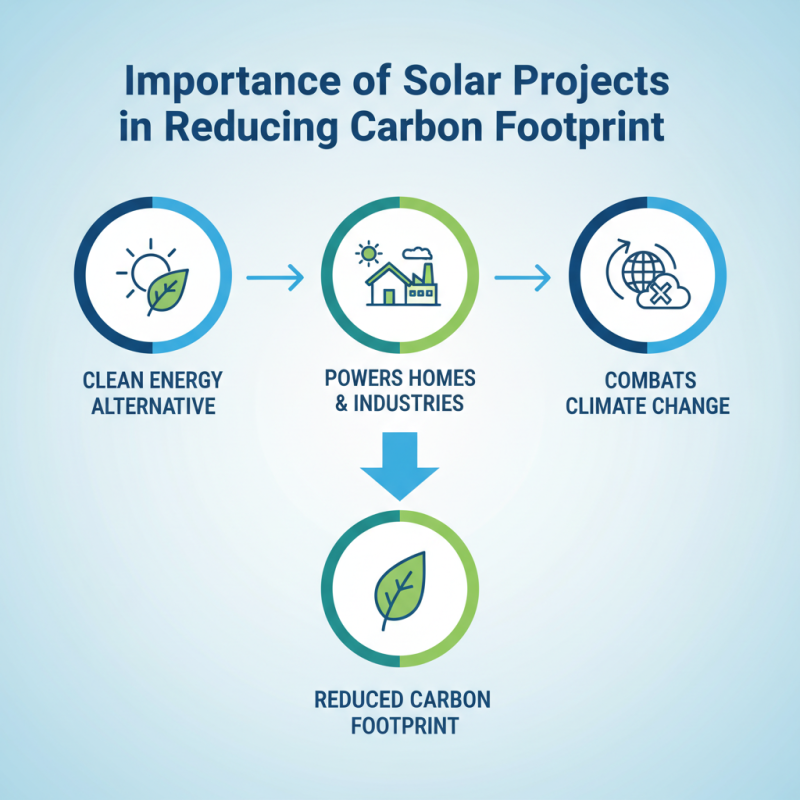
Importance of Solar Projects in Reducing Carbon Footprint
Solar energy plays a crucial role in reducing our carbon footprint. It provides a clean alternative to fossil fuels. By harnessing sunlight, we can power homes and industries without emitting harmful greenhouse gases. This shift is essential for combating climate change.
As solar technology advances, efficiency improves. Improved solar panels now convert more sunlight into energy. Even cloudy days can yield power. Many regions benefit from net metering, allowing excess energy to be sold back to the grid. This creates a circular system that encourages sustainable energy use.
Yet, challenges remain. Solar projects require significant upfront investment. There's a need for extensive land use, which can impact local ecosystems. Not all regions enjoy the same amount of sunlight, limiting solar potential. Continuous research is necessary to address these issues. We must focus on enhancing storage solutions and grid infrastructure. Such efforts will make solar energy a more viable option for everyone.
Economic Benefits of Solar Energy for Sustainable Development
Solar energy stands out as a cornerstone for sustainable development. Its economic benefits are significant. According to the International Renewable Energy Agency (IRENA), solar jobs reached over 3.8 million globally in 2020. This explosive growth indicates renewable energy's role in job creation. Local economies can thrive by adopting solar projects.
Cost savings from solar energy further enhance its appeal. The U.S. National Renewable Energy Laboratory reports that solar technology costs have dropped by 89% since 2009. This trend leads to lower electricity bills for consumers and businesses. Investing in solar is often more economical than fossil fuels, making it a compelling choice.
Challenges remain. Initial installation costs can deter some stakeholders. Incentives and financing options, however, are increasing. Policymakers need to navigate regulatory hurdles. Community involvement is essential for successful solar projects. Engaging local populations can ensure long-term benefits. Ultimately, the shift towards solar energy represents a practical and sustainable path forward.
Economic Benefits of Solar Energy for Sustainable Development
Technological Advancements Driving Solar Energy Efficiency
Technological advancements play a crucial role in solar energy efficiency. Recent innovations have enhanced solar panel output significantly. New materials, such as perovskite, offer better absorption of sunlight. This increases energy conversion rates. With higher efficiency, we need fewer panels to produce the same amount of energy. This can reduce costs and space requirements.
Tips to consider: Always check the efficiency ratings before purchasing solar panels. Higher efficiency often translates to better long-term savings. Additionally, monitor the degradation rate of your panels over time. Most solar panels lose efficiency as they age, so understanding this can help maximize your investment.
Solar energy storage is another critical area of development. Advanced battery technologies are emerging, allowing for better energy retention. Better storage means that solar energy can be used even when the sun isn’t shining. However, the lifecycle impact of batteries remains a concern. Balancing sustainability with energy demands requires ongoing research and thought. Always seek out information on emerging trends to stay informed.
Why is the Solar Project Essential for Sustainable Energy Development? - Technological Advancements Driving Solar Energy Efficiency
| Technology |
Efficiency (%) |
Year of Advancement |
Highlights |
| Monocrystalline Silicon |
20-25 |
2021 |
Highest efficiency and performance in low-light conditions. |
| Polycrystalline Silicon |
15-20 |
2020 |
Cost-effective option with moderate efficiency. |
| Thin-Film Solar Panels |
10-12 |
2019 |
Lightweight and flexible, suitable for various applications. |
| Bifacial Solar Modules |
20-30 |
2022 |
Increased energy production by harnessing sunlight from both sides. |
| Building-Integrated Photovoltaics (BIPV) |
10-15 |
2023 |
Combines aesthetics with functionality in building design. |
Role of Solar Projects in Energy Independence and Security
Solar projects play a critical role in achieving energy independence and security. As nations strive to reduce reliance on fossil fuels, solar power offers a viable alternative. Harnessing sunlight can significantly decrease a country’s energy dependency. This shift enables regions to control their energy sources and costs more effectively.
Moreover, solar energy enhances security. In times of geopolitical tension, energy supply can be disrupted. Solar panels provide a local solution. Communities can generate power on-site, insulating themselves from global supply chains. This localized power generation reduces vulnerability to price fluctuations and outages.
Tip: To maximize solar energy benefits, explore community solar programs. These initiatives allow members to share resources. It leads to cost savings and collective energy security.
While the transition to solar energy presents challenges, such as installation costs and technological advancements, the potential rewards are compelling. Educating communities about solar options can promote wider adoption. Improved knowledge means more informed decisions about energy sources.
Tip: Always assess different solar technologies. Research various systems and their efficiency rates before making investments. This helps ensure the best choice for sustainability and energy independence.
Impact of Solar Energy on Global Renewable Energy Goals
The rise of solar energy is pivotal in achieving global renewable energy goals.
The International Renewable Energy Agency (IRENA) reported that solar power capacity
increased by over 22% globally in 2021. This growth reflects a significant move
towards cleaner energy sources. Nations worldwide are investing heavily in solar technologies
to reduce dependence on fossil fuels.
Solar energy had a profound impact on reducing carbon emissions. According to a report by the
Global Carbon Project, in 2021, solar energy helped avoid nearly
2 billion tons of CO2 emissions. However, challenges remain. The
production and disposal of solar panels can create environmental concerns. Rare materials used in
some panels raise questions about long-term sustainability.
Furthermore, solar energy accessibility is uneven. Developing countries often lack the
infrastructure needed for solar advancements. Although the potential is immense, some regions
struggle to integrate renewable sources into their energy grids.
Balancing the benefits of solar energy with these challenges is essential in moving towards a sustainable future.