10 Essential Tips for Choosing Local Solar Solutions?
Choosing the right local solar solutions can be overwhelming. With so many options available, it’s easy to feel lost. John Smith, a local solar expert, once said, "Finding the best solar solution is a personalized journey." This highlights the importance of careful consideration.
When selecting local solar options, start by evaluating your energy needs. Each household is unique, and so are its energy requirements. Many people overlook the significance of local installation services. Local providers understand regional climate factors and can tailor solutions accordingly.
Don’t ignore the importance of reviews and testimonials. They can provide insights into a provider's reliability. However, it's essential to take them with a grain of salt. Not all feedback is genuine. Engaging with local solar consultants can reveal critical details about different technologies. Ultimately, your choice should align with your values and goals. Balancing cost and sustainability is crucial in this process.

Understanding Your Energy Needs and Goals
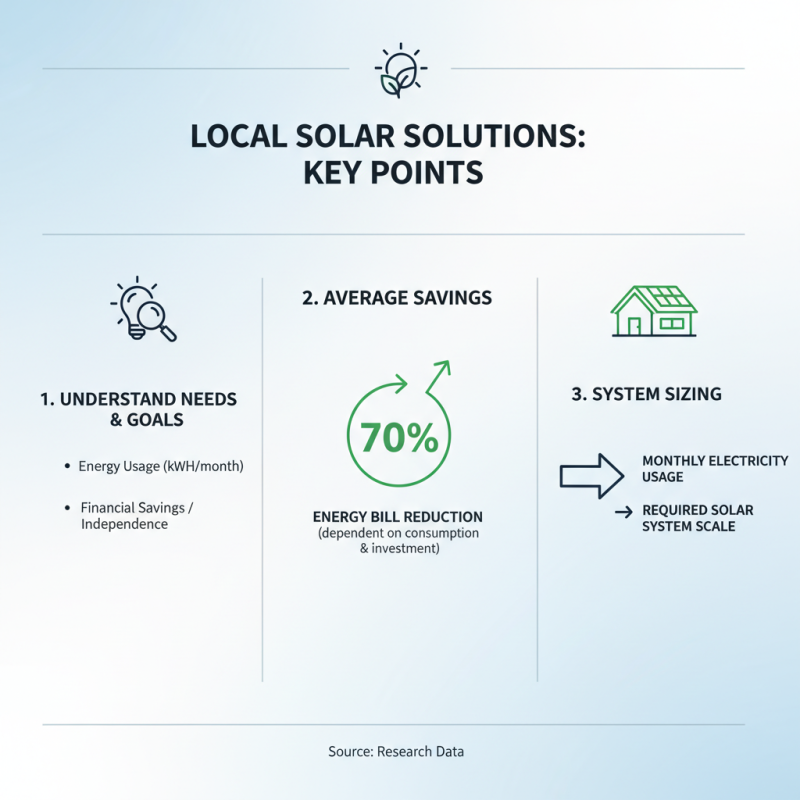
When choosing local solar solutions, understanding your energy needs and goals is crucial. Research indicates that solar can reduce energy bills by 70% on average, depending on consumption and initial investments. Evaluate your monthly electricity usage. This number dictates the scale of the solar system you need.
Assessing your energy consumption is not just about numbers; it’s also about lifestyle. A family of four typically consumes more than a single-person household. Are your energy habits changing? For instance, starting a home office could increase your usage significantly.
Here are some tips to consider. Estimate your solar potential. Look at your roof’s orientation, shade, and size. Consistently monitor your utility bills over a year. This helps identify peak usage patterns. Consider future changes like adding electric vehicles or appliances. Having a clear picture of your needs will guide your search for the right local solar solutions.
Evaluating Different Types of Solar Technologies
When considering local solar solutions, it's critical to evaluate different types of solar technologies. Photovoltaic (PV) panels are the most prominent. They convert sunlight into electricity. Reports show that global installations reached 1,000 GW in 2020, confirming their growing popularity. However, they may not be the best option for every location. Factors like local weather and space can heavily impact effectiveness.
In addition to PV panels, solar thermal systems are worth exploring. These systems use sunlight to produce heat. They can efficiently heat water, making them ideal for residential use. However, the upfront costs are often a concern. A study published by the International Renewable Energy Agency indicates that solar thermal can reduce water heating bills by up to 80%. Nevertheless, homeowners often overlook this due to initial expenses.
Battery storage systems also play a crucial role. They store excess energy produced during the day for nighttime use. Data from the United States Department of Energy reveals that homes with storage solutions can save up to 40% on electricity costs. Still, technology disparities exist. Many consumers face uncertainty regarding compatibility and installation. It’s essential to weigh these factors carefully before making a decision.
Researching Local Solar Providers and Their Credentials
When choosing local solar solutions, researching providers and their credentials is crucial. Start by checking the provider’s experience in your area. Look for customer reviews and feedback. A provider with positive testimonials tends to deliver better service.
One effective tip is to ask for references. Speaking directly to past clients can provide insights into their experiences. Ensure that potential providers hold relevant certifications to guarantee quality work. Ask about their warranties too. A reliable provider should offer substantial warranties on both equipment and installation.
Don’t overlook local regulations. Each area may have different requirements for solar installations. Understanding these can save you from future headaches. It’s also wise to compare quotes from several providers. Some may offer similar services at varying prices. This difference can reflect their business strategies or quality of materials. Always weigh these factors carefully before making a decision.
Solar Solutions Comparison: Local Providers by Customer Satisfaction
This chart illustrates the customer satisfaction rates for various local solar providers. As seen, Provider C leads with the highest satisfaction at 92%, followed closely by Providers A, D, and E. Evaluating these satisfaction metrics can aid in making informed decisions when selecting a local solar provider.
Comparing Pricing Structures and Financing Options
When considering local solar solutions, understanding pricing structures and financing options is crucial. Solar installation costs can vary widely. A report from the Solar Energy Industries Association notes that the average cost of residential solar systems in the U.S. is around $3.00 per watt. This can lead to a total expenditure exceeding $20,000. Such figures can be daunting for homeowners.
Financing options can significantly affect the affordability of these systems. One popular choice is a solar loan, which allows homeowners to pay off the system in installments. A recent analysis revealed that loans often come with interest rates ranging from 2% to 8% depending on your credit score. Additionally, leases and Power Purchase Agreements (PPAs) offer lower upfront costs but may lead to higher long-term payments.
Navigating these options can feel overwhelming. It drives home the point that a one-size-fits-all solution does not exist. Local incentives also play a role in pricing. Some areas offer tax credits or rebates, while others do not, complicating decision-making. Homeowners must weigh their current financial situation against projected savings. This means there is no clear path to choosing the best option. Each choice has pros and cons, and careful scrutiny is necessary.
10 Essential Tips for Choosing Local Solar Solutions - Comparing Pricing Structures and Financing Options
| Criteria |
Pricing Structure |
Financing Options |
Estimated Cost ($) |
Potential Savings (%) |
| System Size (kW) |
Flat Rate |
Solar Loan |
15,000 |
20 |
| Installation Type |
Pay-as-You-Go |
Leasing |
10,000 |
15 |
| Type of Panels |
Tiered Pricing |
Power Purchase Agreement |
12,500 |
25 |
| Warranty Options |
One-time Payment |
Cash Purchase |
9,000 |
30 |
| Maintenance Plan |
Subscription |
Credit Union Loan |
11,500 |
18 |
Assessing Installation and Maintenance Services Offered
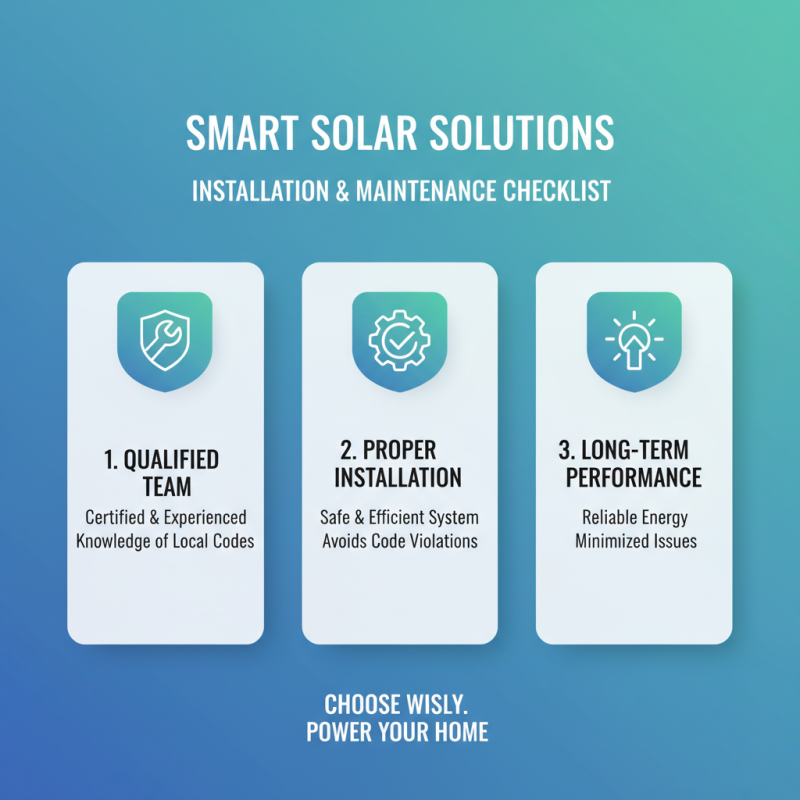
When exploring local solar solutions, evaluating installation and maintenance services is crucial. Start by checking the qualifications of the installation team. Are they certified? Do they have experience with local regulations? An unqualified team may overlook important local codes, resulting in improper installations. You want your system to be safe and efficient.
Maintenance is equally important. Some companies offer long-term support, while others may not. Ask about their maintenance plans. Regular check-ups can prevent minor issues from turning into costly repairs. It’s unsettling to think about complications arising from neglect. A reliable service will provide detailed plans for operational efficiency and troubleshooting.
Consider the feedback from previous customers. Look for reviews that address the installation process and post-installation support. It may reveal unexpected aspects. If others encountered issues, it’s a sign to tread carefully. Not every company provides the same level of care, and that difference matters significantly for your investment in solar solutions.