10 Essential Tips for Successful Solar PV Projects
The solar PV projects sector has witnessed remarkable growth over the past decade. According to the International Energy Agency, global solar capacity reached 1,000 gigawatts in 2023, a significant milestone. This surge reflects increasing investments and innovations in renewable energy. Solar PV systems are now recognized not just for their environmental benefits but also for their economic potential.
However, successful solar PV projects require careful planning and execution. Experts, like Dr. Emily Carter, a leading authority in solar energy research, emphasize, "Choosing the right technology and approach is crucial for project success." Her insights highlight that every project can face unique challenges. Missteps in planning, site selection, or technology choice can lead to costly delays and reduced performance.
Finding reliable partners and understanding regulatory frameworks also plays a vital role. Many projects have faltered due to inadequate stakeholder engagement or legal complexities. As the solar industry evolves, continuous learning from past experiences is essential. Reflecting on these lessons can help stakeholders navigate the complexities of solar PV projects more effectively.
Understanding Solar PV Technology and Its Benefits
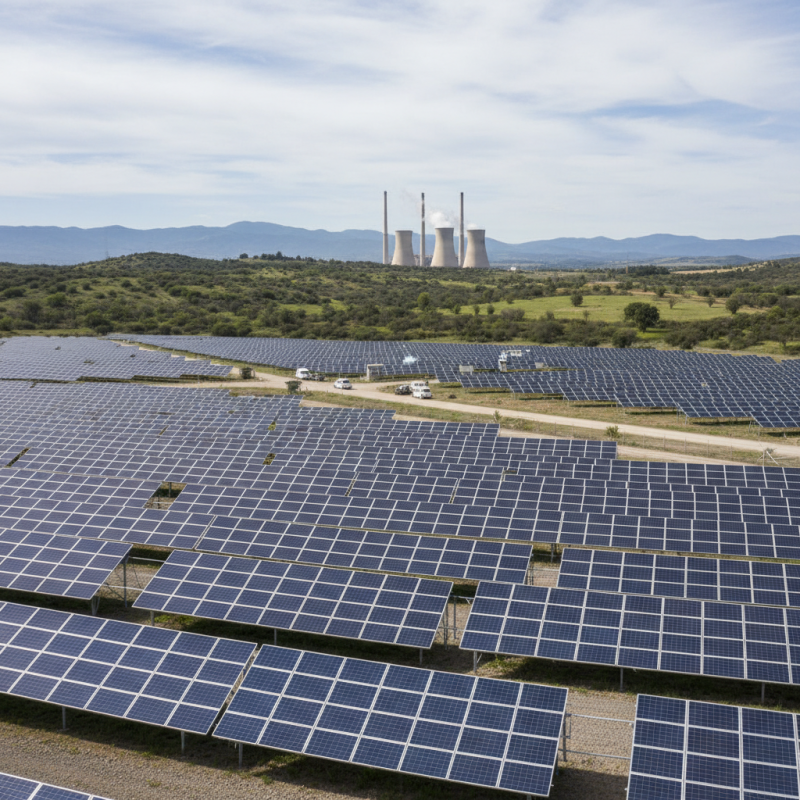
Solar photovoltaic (PV) technology converts sunlight into electricity. This process involves using solar cells that can be installed on rooftops or ground-mounted arrays. The efficiency of these systems has improved significantly over the past decade. With better materials and designs, today’s solar panels can convert more sunlight into usable energy.
The benefits of solar PV are clear. They reduce reliance on fossil fuels, which lowers carbon emissions. Installing solar panels can also lead to substantial savings on energy bills. Some homeowners find that their panels pay for themselves within a few years. However, the initial costs can be daunting. Not everyone realizes the importance of considering orientation and shading when installing. Poor placement can significantly hinder performance.
Understanding the technology is just as vital as installation. Many users are unaware of the maintenance required. Regular cleaning and inspections can extend the lifespan of the panels. The sector is also evolving rapidly. Staying informed about new advancements can help users make better decisions. With each project, learning from flaws in past installations can lead to more effective solutions.
Conducting a Feasibility Study for Solar PV Projects
Conducting a feasibility study is crucial for successful solar PV projects. It helps determine if the investment makes sense. According to the National Renewable Energy Laboratory, a comprehensive feasibility analysis can increase project success rates by up to 37%. This process involves evaluating technical, economic, and environmental factors. Assessing solar potential is essential. For example, average solar irradiation data can help project sites maximize energy generation.
Moreover, understanding local regulations is vital. Compliance can save time and costs. Some projects may encounter unforeseen permitting challenges. It's advisable to consult local regulations early. Engaging with local authorities can often reveal hidden opportunities. Identifying financial incentives can also improve project viability. In the U.S., for instance, federal tax credits could offset initial investments significantly.
At the same time, realistic financial modeling is necessary. Anticipating fluctuations in energy prices is key. You should consider potential repairs and maintenance costs throughout the project's life cycle. Regularly revisiting your financial assumptions will provide clearer insights. Seeing numbers in black and white challenges idealistic projections. This reflective approach enhances overall project credibility and success.
10 Essential Tips for Successful Solar PV Projects - Conducting a Feasibility Study for Solar PV Projects
| Tip Number |
Tip |
Details |
Importance Level |
| 1 |
Site Assessment |
Evaluate sunlight exposure, shading, and site accessibility. |
High |
| 2 |
Regulatory Compliance |
Understand local laws and incentives for solar installations. |
Medium |
| 3 |
Financial Analysis |
Conduct cost-benefit analysis and return on investment calculations. |
High |
| 4 |
System Design |
Ensure optimal design for energy production and efficiency. |
High |
| 5 |
Technology Selection |
Choose appropriate solar panels and inverters based on project needs. |
Medium |
| 6 |
Project Timeline |
Develop a realistic project schedule with milestones. |
Medium |
| 7 |
Stakeholder Engagement |
Involve community and stakeholders early for support. |
High |
| 8 |
Risk Assessment |
Identify potential risks and develop mitigation strategies. |
High |
| 9 |
Procurement Process |
Plan for sourcing materials and services effectively. |
Medium |
| 10 |
Performance Monitoring |
Set up a system to track system performance post-installation. |
High |
Selecting the Right Components for Solar PV Systems
When selecting components for solar PV systems, prioritizing efficiency is crucial. High-quality solar panels play a significant role in energy output. Look for panels that maximize sunlight absorption and have a good degradation rate. Inverters also matter. They convert the generated DC power into usable AC power. Ensure you choose inverters that match your system's capacity.
Another key aspect is compatibility. Components must work well together. Mismatched equipment can lead to inefficiencies. Check specifications and consult with professionals if needed. Additionally, installation matters. Poorly installed solar systems can lead to decreased performance. Engage experienced technicians who understand local conditions and code requirements.
Reflecting on past projects can provide valuable insights. Did you face any compatibility issues? What about the installation quality? These reflections can guide future choices. Remember that each component impacts the overall system performance. Choose wisely to ensure long-term success for your solar PV project.
Solar PV System Component Efficiency Comparison
This bar chart displays the efficiency ratings of various essential components used in solar photovoltaic (PV) systems. The data illustrates the average efficiency percentages for different components, helping you understand which elements contribute most effectively to the overall performance of solar PV projects.
Navigating Permits and Regulations for Solar Installations
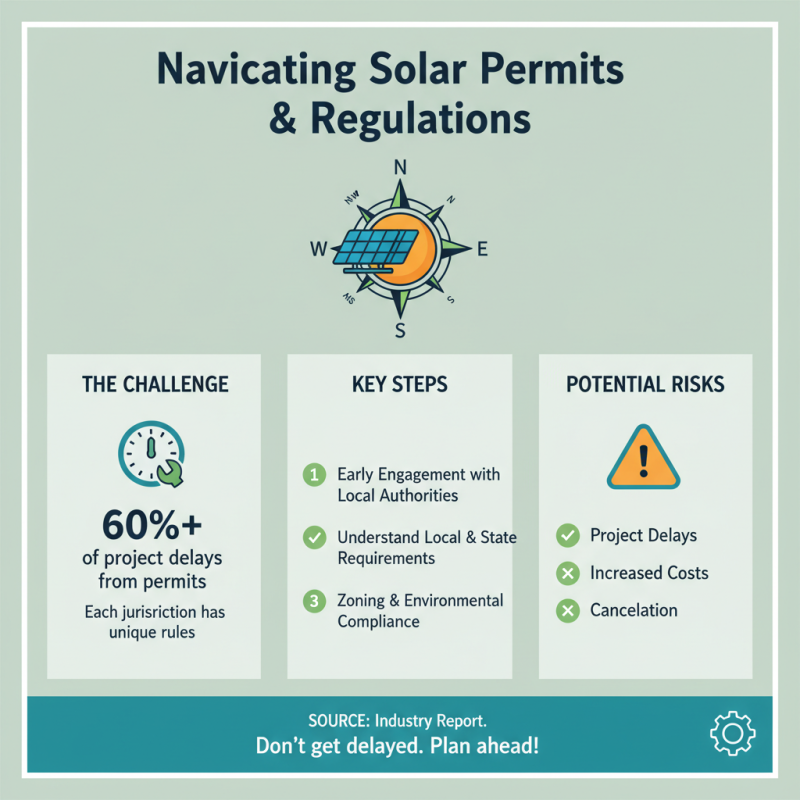
When starting a solar PV project, navigating permits and regulations can be daunting. Over 60% of solar project delays stem from permit-related issues. This statistic underscores the importance of understanding local and state requirements. Each jurisdiction has its own specific regulations, making it crucial to engage with local authorities early in the process. Some areas require a comprehensive environmental impact assessment, which can add time and complexity. Failure to comply with local zoning laws can lead to project delays or even cancellations.
Understanding the application process is essential for success. Many regions have streamlined their permitting processes, but often they are still convoluted. Reports indicate that up to 80% of projects face challenges during initial permit submissions. Documents often require detailed engineering plans and calculations to meet safety standards. Additionally, outbursts of public opposition can complicate things further. Engaging the community and addressing their concerns proactively can help mitigate these risks.
Research indicates that projects with clear communication and community involvement have a 40% higher chance of success. It’s essential to remain flexible, as regulations can change. By keeping abreast of the latest policy updates, project managers can adjust their plans accordingly. Fostering relationships with local regulatory bodies can also provide valuable insights. Remember, the road to solar success requires patience, attention to detail, and a willingness to adapt.
Ensuring Proper Installation and Maintenance Practices
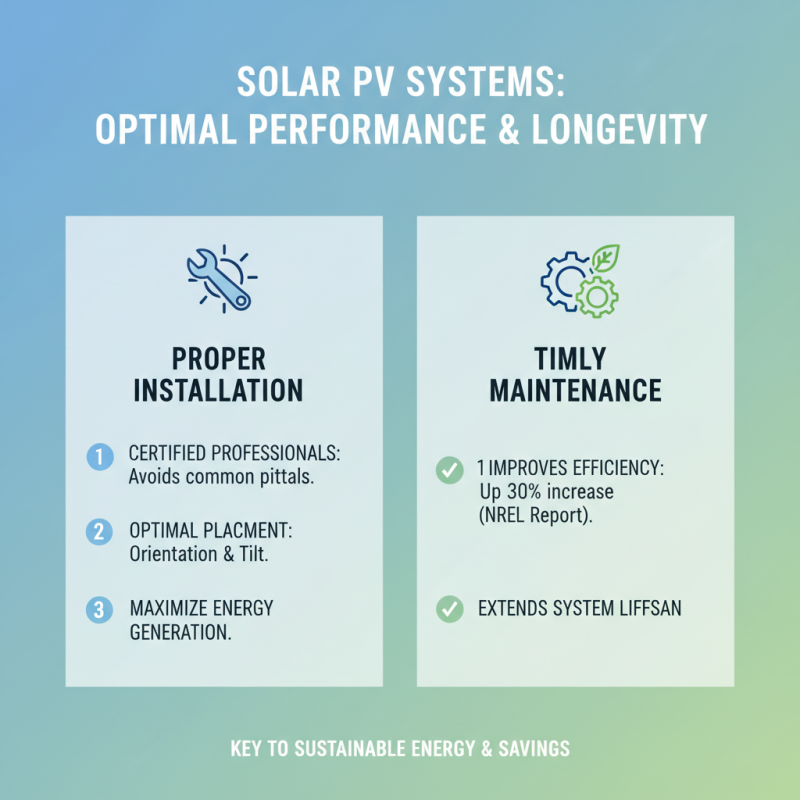
Proper installation and maintenance of solar photovoltaic (PV) systems are vital for their efficiency and lifespan. According to a report from the National Renewable Energy Laboratory, timely maintenance can improve system performance by up to 30%. Ensuring that the installation is done by certified professionals helps avoid common pitfalls. Many homeowners overlook the importance of optimal placement. Without proper orientation and tilt, energy generation can drastically drop.
Regular inspections are crucial. Dust, debris, and shading can hinder performance. A study indicates that dirty panels can lose up to 20% of their efficiency. This highlights the necessity of periodic cleaning. However, overzealous cleaning methods can damage panels. Pressure washing, for example, might cause micro-cracks, leading to costly repairs. Understanding the balance between maintenance and preservation is key.
Monitoring systems play an integral role in successful solar PV projects. Real-time data can alert owners to issues quickly. However, many users neglect to utilize these technologies. This can lead to unaddressed inefficiencies. Training on monitoring tools and maintenance should be prioritized. Awareness of these factors can empower users, resulting in more efficient solar energy adoption.