How to Harness Sun Energy for Sustainable Solutions in 2026?
The quest for sustainable energy solutions has gained momentum. As we look toward 2026, sun energy emerges as a focal point. The International Energy Agency (IEA) reported that solar power could supply up to 30% of global electricity by 2026. This significant potential highlights the urgency to harness solar technologies effectively.
Despite technological advancements, challenges remain. Integrating sun energy into existing power grids requires innovation. Reports suggest that grid flexibility is vital for accommodating this fluctuating energy source. Energy storage solutions, such as batteries, must improve to maximize solar energy utilization. The growing industry must also address concerns related to land use and resource consumption in solar panel production.
Incorporating sun energy into our lives demands a collective effort. Public awareness and policy support are crucial for accelerating the transition. The solar industry's progress is promising but must be approached with caution. Acknowledging obstacles allows us to develop practical, long-term strategies for sustainable energy solutions. As we embrace the potential of sun energy, we must remain vigilant and adaptive.
Understanding Solar Energy: Principles and Benefits
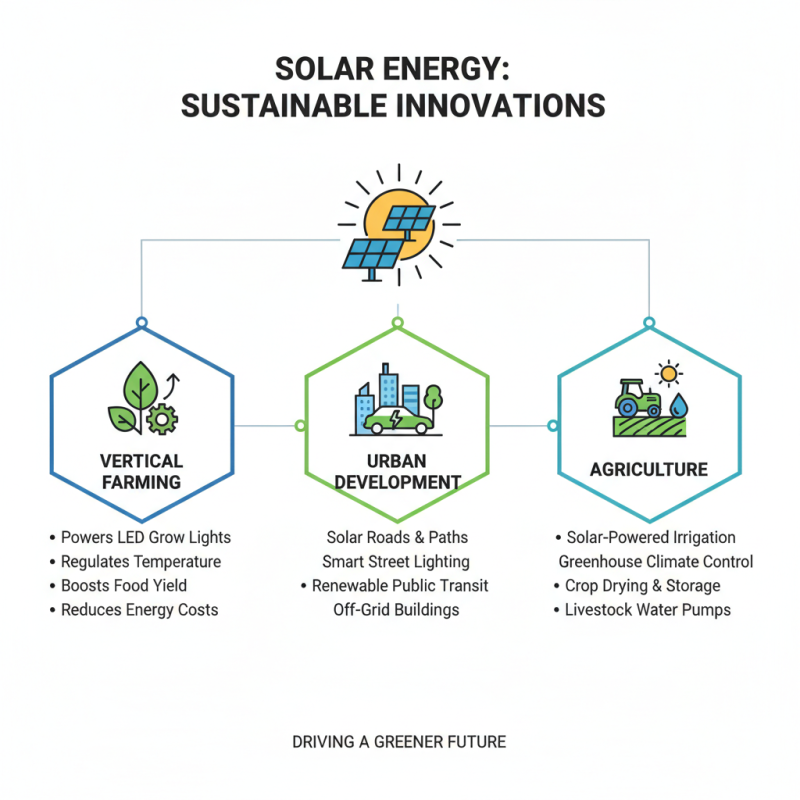
Solar energy is a renewable resource that can transform our lives. Its principles are based on harnessing sunlight, converting it into usable power. Solar panels absorb sunlight, creating electricity. This process is clean and reduces reliance on fossil fuels. Many households are now installing solar systems to decrease energy bills.
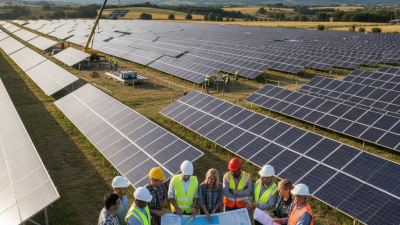
Beyond savings, solar energy offers environmental benefits. It produces no harmful emissions during operation, improving air quality. Photovoltaic installations can be scaled easily, from rooftops to solar farms. Yet, the technology isn’t flawless. Initial costs can be high, and energy production varies with weather conditions.
Education plays a crucial role in optimizing this resource. Understanding solar technology can empower communities. Awareness drives innovations, making solar solutions more efficient. As we look towards 2026, it's essential to continually assess and adapt solar practices. By embracing solar energy fully, we can build a sustainable future.
Current Technologies for Harvesting Solar Energy in 2026
In 2026, solar energy technologies are advancing rapidly. Photovoltaic (PV) panels have become more efficient, converting more sunlight into electricity. New materials, such as perovskite, show great promise in enhancing efficiency and lowering production costs. Research teams are exploring innovative designs that increase solar capture, like bifacial panels that absorb light from both sides.
Concentrated solar power (CSP) systems have gained traction too. These systems use mirrors or lenses to focus sunlight, generating heat. This heat drives turbines, producing electricity even when the sun isn't shining. However, the technology is not without challenges. High installation costs and land requirements hinder widespread adoption.
Emerging technologies like solar skins and transparent solar cells are also noteworthy. Solar skins blend aesthetics with functionality, integrating solar cells seamlessly into rooftops. Transparent cells can be embedded in windows and screens, generating energy without obstructing light. Such innovations offer potential but require rigorous testing before scaling up. These technologies mark a significant step forward but demand continuous evaluation and improvement.
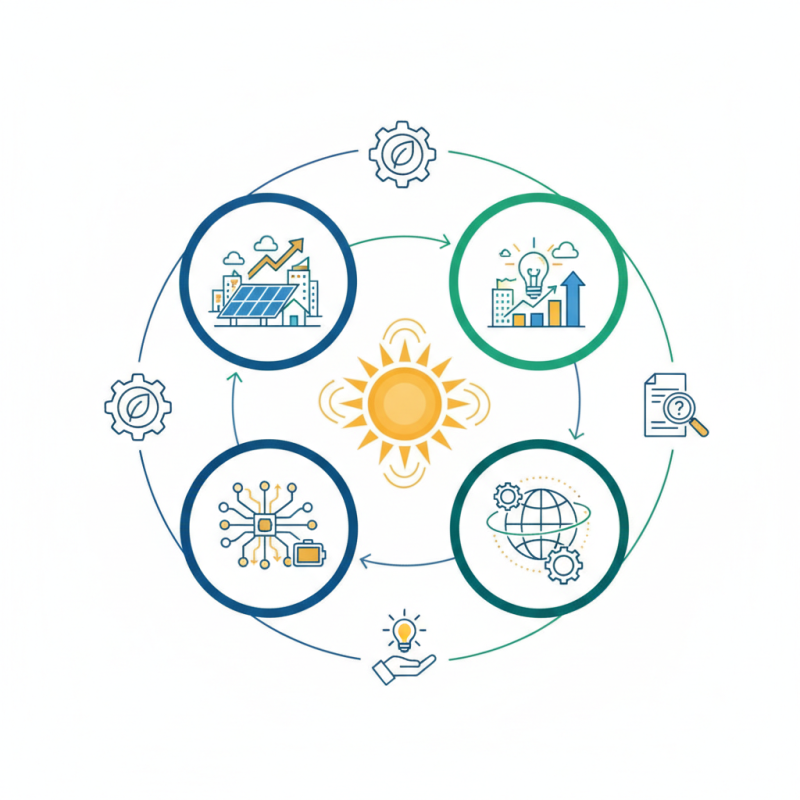
Solar Energy Harvesting Technologies in 2026
Challenges and Solutions for Widespread Solar Energy Adoption
As we strive for widespread solar energy adoption, several challenges emerge. One significant barrier is the initial cost of solar installations. Many people find it difficult to invest. This limits accessibility, particularly for low-income households. Without financial incentives, the transition to solar energy can feel daunting.
Grid integration remains another hurdle. Many regions lack the infrastructure to support new solar energy sources. Upgrading the grid is complex and often expensive. Furthermore, energy storage technologies require improvement. Current battery systems are costly and have limited lifespans. These technical issues can create a sense of uncertainty for potential adopters.
Awareness and education about solar energy are also crucial. Many individuals remain unaware of its environmental benefits. Misconceptions about solar power are common. A more informed public could lead to increased acceptance. Community initiatives can bridge the knowledge gap. By facilitating discussions and workshops, communities can empower residents to embrace solar technology.
Future Trends in Solar Energy Development and Usage
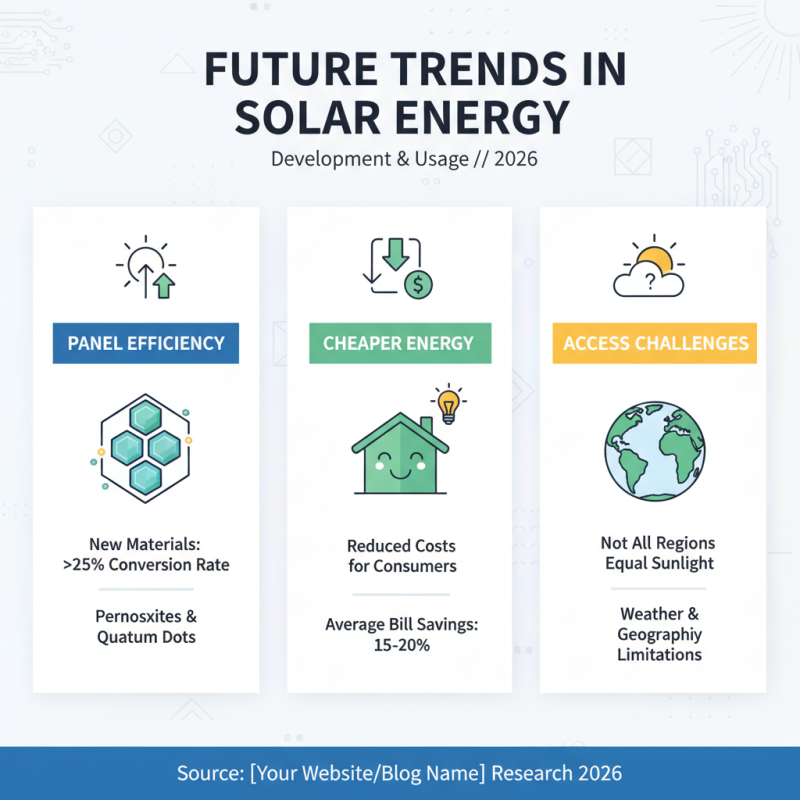
The solar energy sector is evolving rapidly. In 2026, we can expect advancements in solar panel efficiency. Research shows new materials can convert sunlight into energy more effectively. This leads to cheaper energy costs for consumers. However, the challenge remains: not all regions can access sufficient sunlight.
Energy storage technologies are also crucial. Innovations in battery life and capacity are essential for maximizing solar energy benefits. Many companies are exploring this space, but there are still hurdles. Reliability issues in different climates plague current solutions. Real-world testing is needed to refine these technologies for diverse users.
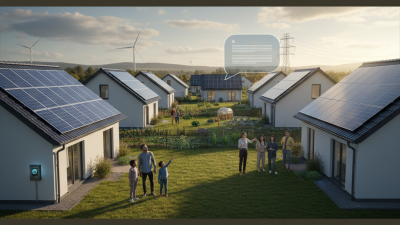
Community solar projects are gaining attention. They allow households to share energy resources effectively. This can boost energy access in urban and rural areas alike. Yet, bureaucratic hurdles often slow progress. Stakeholders must navigate policies before expanding these vital projects. Overall, while the path to harnessing solar energy is promising, it also requires serious consideration of practical challenges.