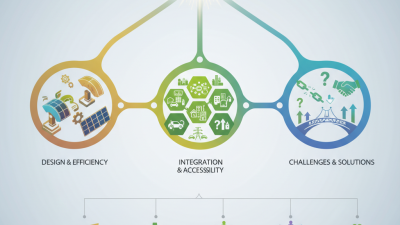
How to Maximize Benefits of Solar Energy for Your Business?
As businesses seek sustainable solutions, discussions about solar energy gain momentum. Solar energy offers a unique opportunity for companies to reduce costs while enhancing their green credentials. However, maximizing its benefits requires a strategic approach. Businesses must first assess their energy needs and potential solar solutions that fit their operations.
Understanding the local climate and available incentives can profoundly influence the effectiveness of a solar program. Many businesses underestimate installation costs or overlook available grants. Engaging with experts is key to navigating this complex landscape. Furthermore, ongoing maintenance and efficiency monitoring can ensure that the solar system operates optimally.
Mistakes in planning can lead to wasted investments. Therefore, businesses should remain open to evolving their energy strategies as technology improves. Research indicates that well-planned solar installations can yield substantial savings and higher customer loyalty. In conversations about solar energy, it’s essential to stay informed and adaptable to succeed.

Understanding Solar Energy and Its Business Advantages
Solar energy is increasingly recognized for its substantial benefits to businesses. According to the Solar Energy Industries Association (SEIA), the average commercial solar installation saves about $17,000 annually. This significant savings comes from reduced electricity bills and potential tax incentives. Furthermore, by using solar energy, businesses can enhance their sustainability profile. Companies investing in renewable energy sources demonstrate a commitment to environmental responsibility, which is appealing to today’s eco-conscious consumers.
Tips for maximizing solar energy benefits include conducting a thorough energy audit. Understanding your business's energy consumption lays the groundwork for effective solar implementation. Evaluate the feasibility of rooftop installations or solar farms to find the best fit. A site assessment is crucial. Not all locations will yield the same energy productivity, which often leads to insufficient returns on investment.
Beyond financial savings, solar energy can improve workplace morale and attract customers. Investing in renewable energy shows a commitment to sustainability, which can boost brand image. However, it's important to recognize the initial investment costs and potential technical challenges. Research shows that not all companies achieve their desired energy output. Therefore, maintaining a realistic outlook on your solar investment is essential. Resilience in adapting to hurdles can lead to eventual success in harnessing solar power effectively.
Assessing the Energy Needs and Goals of Your Business
Assessing the energy needs of your business is crucial for maximizing solar energy benefits. Understand your current consumption. According to the U.S. Energy Information Administration, commercial buildings consume about 19% of total U.S. energy.
Analyze your electricity bills. Identify peak usage times and energy-hungry equipment. This insight helps target areas for solar optimization.
Setting clear energy goals is essential. Establish what you want to achieve with solar energy. Are you aiming for cost reduction or energy independence? Research indicates businesses can save 75% on electricity costs by utilizing solar energy effectively.
However, many companies overlook the importance of a well-structured energy strategy. Without careful planning, installations may fall short of expectations.
Engaging with energy audits offers further insight. These evaluations assess energy efficiency and can highlight potential savings. The International Energy Agency states that improving energy efficiency could reduce global energy demand by 10% by 2030.
Emphasizing efficiency complements solar initiatives, enabling businesses to maximize their renewable energy investments.
Evaluating Different Types of Solar Energy Systems Available
Evaluating different types of solar energy systems is crucial for maximizing business benefits. A recent report from the National Renewable Energy Laboratory (NREL) indicates that solar photovoltaic (PV) systems can reduce electricity costs by 75%. Businesses must consider grid-tied, off-grid, and hybrid systems, each offering unique advantages. Grid-tied systems allow companies to save on utility bills while feeding excess power back to the grid.
Off-grid systems present another option for businesses in remote locations. These systems provide independence from utility suppliers. However, initial setup costs can be high. According to the Solar Energy Industries Association (SEIA), installation costs dropped by 70% since 2010. This makes the investment more accessible. Hybrid systems combine the benefits of both options but require careful analysis to balance costs and energy needs.
Understanding local incentives can also impact system choice. The federal solar investment tax credit (ITC) allows businesses to deduct 26% of their solar installation costs from their federal taxes. Proper evaluation of solar installation options ensures businesses align with their long-term sustainability goals. Reflecting on these choices can lead to more informed decisions and better efficiency in energy management.
How to Maximize Benefits of Solar Energy for Your Business? - Evaluating Different Types of Solar Energy Systems Available
| Solar Energy System Type |
Description |
Cost ($/W) |
Efficiency (%) |
Lifespan (Years) |
| Monocrystalline Solar Panels |
Made from single-crystal structure, high efficiency. |
2.50 |
15-22 |
25 |
| Polycrystalline Solar Panels |
Made from multiple crystal structures, cost-effective. |
1.80 |
13-16 |
25 |
| Thin-Film Solar Panels |
Flexible, lightweight, lower efficiency. |
1.00 |
10-12 |
20 |
| Bifacial Solar Panels |
Generates energy from both sides, increases output. |
2.70 |
15-24 |
30 |
| Concentrated Solar Power (CSP) |
Uses mirrors to concentrate sunlight, suitable for large systems. |
5.00 |
12-20 |
25 |
Implementing Solar Energy Solutions: Steps and Considerations
Implementing solar energy solutions can be a transformative step for businesses. Begin by assessing your energy consumption. Understanding peak usage times is crucial. Collect data over a month or two to identify trends. This information helps in sizing the solar system you may need.
Next, consider location and installation specifics. Roof space is critical. Inspect for shading from nearby buildings or trees. Engage with a local solar expert to evaluate your site and provide insights. Local regulations also matter. Familiarize yourself with permits and incentives available in your area. These incentives can significantly reduce your initial investment.
Lastly, reflect on your long-term goals. Solar energy offers savings over time, but installation is a significant upfront cost. Monitor performance consistently after installation to ensure the system meets expectations. Adjustments may be necessary for optimal efficiency. Evaluating your system regularly helps maintain its effectiveness and adapts to changing energy needs.
Financial Incentives and Long-term Benefits of Solar Energy Adoption
Businesses today face rising energy costs. Solar energy offers a solution, providing financial incentives and long-term gains. According to the Solar Energy Industries Association (SEIA), commercial solar installations increased by 29% in 2022. This growth highlights the potential benefits for businesses willing to invest.
Incentives abound for companies adopting solar energy. Federal tax credits can cover up to 26% of installation costs. Additionally, many states provide grants or rebates. These incentives significantly lower upfront expenses. A study by the National Renewable Energy Laboratory shows that businesses save an average of 75% on energy bills after installing solar systems. This savings can be redirected into other areas of the business.
Long-term benefits extend beyond savings. Solar energy enhances a company’s reputation. Businesses adopting renewable energy see increased consumer trust and loyalty. Yet, there are challenges. Initial costs can be daunting, and installation requires careful planning. Understanding local regulations and incentives can feel overwhelming. Ultimately, the transition to solar is complex but rewarding for well-informed businesses.
Maximizing Benefits of Solar Energy for Your Business
This chart illustrates the various financial incentives and benefits associated with the adoption of solar energy for businesses. The initial investment costs are outweighed by significant tax credits, utility savings, and a favorable return on investment, alongside positive environmental impacts.