Why Is Solar Power Essential for a Sustainable Future?
Solar power is emerging as a vital component in achieving a sustainable future. As global temperatures rise, the need for renewable energy sources is more pressing than ever. The reliance on fossil fuels has led to significant environmental degradation. Solar power offers a cleaner alternative, harnessing sunlight to generate electricity without harmful emissions.
This technology has advanced dramatically over the past decades. Solar panels are more efficient, affordable, and accessible today. They can be installed on rooftops, fields, and even in remote locations. However, challenges remain. Energy storage, grid integration, and initial costs can hinder widespread adoption.
Despite these hurdles, the benefits of solar power are clear. Not only does it reduce greenhouse gas emissions, but it also promotes energy independence. Countries investing in solar energy can decrease their reliance on imported fuels. This shift is essential for creating a resilient and sustainable energy future, but it requires commitment and innovation.

The Role of Solar Power in Reducing Greenhouse Gas Emissions
Solar power plays a crucial role in reducing greenhouse gas emissions. By harnessing energy from the sun, we can significantly decrease our reliance on fossil fuels. Fossil fuels release harmful carbon dioxide and methane into the atmosphere. These gases contribute to climate change and global warming. On the other hand, solar energy is clean and renewable. It emits no pollutants during generation.
Many communities are transitioning to solar energy. This shift is essential for building a sustainable future. It helps decrease air pollution and improves public health. In urban areas, solar panels can often be installed on rooftops. However, not everyone can access this technology. Some households may struggle with installation costs or spatial limitations. This creates a gap in adoption that needs addressing.
There are challenges in implementing solar power on a larger scale. Energy storage, for instance, is critical for nighttime usage. Current battery technology may not meet all needs yet. Policymakers and scientists work on ways to overcome these hurdles. Encouraging local installations can increase community involvement and awareness. It is vital to create a balance between technology, access, and sustainability.
Economic Benefits of Transitioning to Solar Energy
Transitioning to solar energy offers numerous economic benefits that can reshape our future. One significant advantage is job creation. The solar industry has rapidly expanded in recent years, generating thousands of jobs. These jobs range from manufacturing solar panels to installation and maintenance. Local economies can thrive with increased employment opportunities.
Moreover, solar energy reduces long-term energy costs. Homeowners and businesses can lower their electricity bills by harnessing sunlight. This decreased reliance on traditional energy sources leads to significant savings over time. Even during the initial setup, incentives and rebates can ease the financial burden.
However, the transition isn't without its challenges. Some communities face hurdles in adopting solar technology due to high up-front costs or lack of infrastructure. Education and access to financing are crucial. This knowledge gap can slow progress. Policymakers and industry leaders must address these issues to ensure equitable access to solar energy. Balancing rapid growth with inclusivity is essential for sustainable development.
Technological Advancements in Solar Power Generation
Technological advancements in solar power generation have transformed the way we harness energy. Innovations such as photovoltaic cells have become more efficient, using less space while generating more electricity. These cells now convert sunlight into energy at rates exceeding 20%, a significant improvement from earlier technologies. This efficiency boost allows for smaller installations on rooftops and in urban areas, making solar power accessible to more people.
Moreover, energy storage solutions have evolved, addressing the intermittent nature of solar energy. Batteries can now store excess power generated during sunny days for use later. This capability enhances reliability and supports a consistent energy supply. Emerging technologies are exploring new materials, such as perovskites, promising even greater efficiencies and lower production costs.
Despite these advancements, challenges remain. The initial installation cost can deter many homeowners and businesses. There's still a need for improved recycling methods for solar panels. As the industry matures, addressing these imperfections will be crucial. The goal is to create a sustainable future that harnesses solar energy effectively and responsibly.
Solar Power's Contribution to Energy Independence and Security
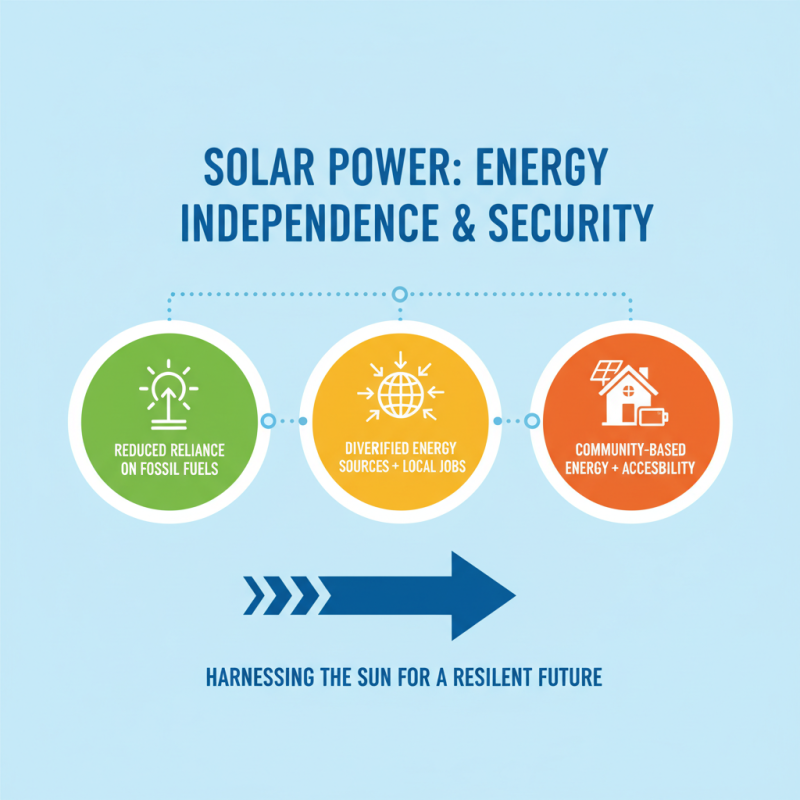
Solar power plays a vital role in enhancing energy independence and security. By harnessing the sun’s energy, countries can reduce their reliance on imported fossil fuels. This shift not only diversifies energy sources but also creates job opportunities in local economies. Communities can install solar panels on rooftops, making energy generation more accessible and localized.
However, transitioning to solar power does come with challenges. Infrastructure must be upgraded to accommodate new technologies. Additionally, some regions lack consistent sunlight, affecting energy production. These obstacles require careful analysis and planning. Collaboration among governments, businesses, and individuals is crucial to overcoming these issues.
Investing in solar power can provide long-term benefits. It reduces greenhouse gas emissions and enhances energy security. Citizens feel a sense of empowerment when they contribute to a sustainable future. With a focused approach, solar power can help societies move toward greater independence and resilience.
Challenges and Solutions for Solar Power Adoption Worldwide
The adoption of solar power faces significant challenges worldwide. High initial costs deter many potential users. While prices have dropped over the years, affordability remains a barrier. In developing regions, financial support and incentives are crucial. Without government assistance, adoption slows down. This creates a gap between wealthy and lower-income populations.
Additionally, the technology itself faces hurdles. Efficient solar panels require advanced materials and production techniques. Some areas lack the infrastructure to support solar installations. Inconsistent sunlight can also affect efficiency. Energy storage solutions, like batteries, need further development. Current technology can be expensive and limited.
Public perception plays a role too. Many still doubt solar power's reliability. Misinformation and lack of awareness contribute to this skepticism. Engaging communities through education can help change minds. Building trust is essential for wider acceptance. Solutions must be multi-faceted. Effective communication, better technology, and financial incentives are key to overcoming these obstacles.