Why is Solar Power the Future of Sustainable Energy?
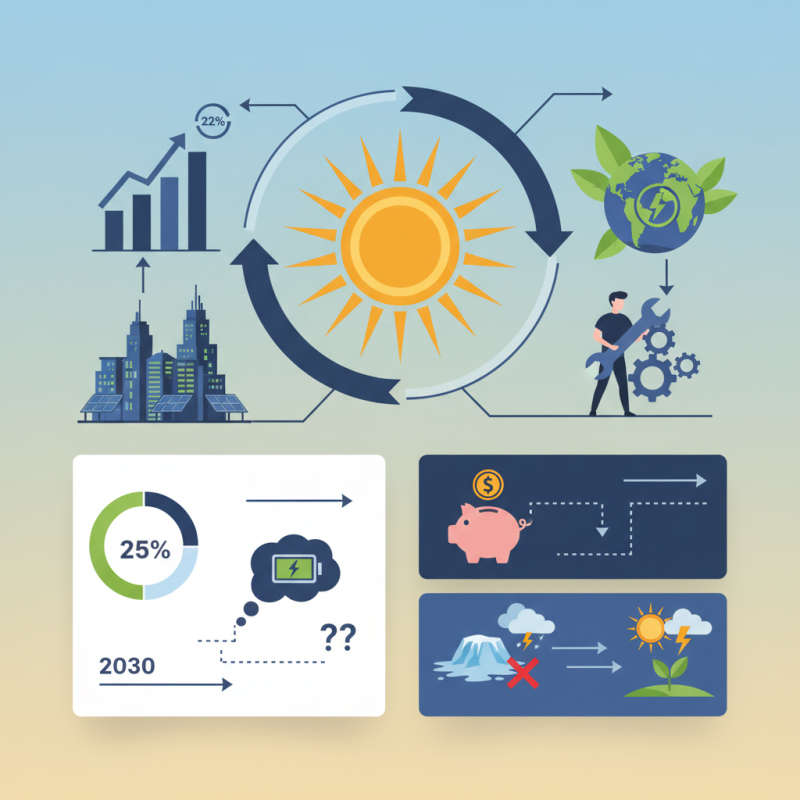
Solar power stands out as a critical component in the quest for sustainable energy solutions. According to the International Energy Agency, solar energy capacity increased by 22% in 2020, demonstrating its rapid growth and potential. Experts predict that solar power could contribute to over 25% of global electricity by 2030. Helen McGregor, a leading analyst in renewable energy, states, "Solar power is not just an alternative; it is essential for the sustainable progress of our planet."
The advantages of solar power are significant. It reduces reliance on fossil fuels. Solar panels harness energy directly from the sun, cutting emissions. However, some challenges remain. The initial costs can deter adoption. Additionally, energy storage systems to manage supply and demand are still evolving. These factors warrant further reflection as the industry moves forward.
Nonetheless, the urgency of transitioning to solar power is clear. Climate change presents pressing threats. By investing in solar energy, we can pave the path to a cleaner future. The data speaks for itself, revealing the promise that solar power holds in addressing these global challenges. A future powered by solar energy is not just a dream; it is an attainable reality.
The Growing Demand for Renewable Energy Sources
The global demand for renewable energy sources is rising rapidly.
According to the International Energy Agency, renewable energy accounted for nearly 29% of global electricity generation in 2021.
Solar power is leading this shift, thanks to its accessibility and decreasing costs. Prices for solar panels have dropped by about 80% since 2010. This trend encourages
more households to invest in solar energy.
Tips:
Consider your local solar incentives. Some governments offer rebates. This can help lower your initial installation costs.
However, there are challenges. The efficiency of solar panels can vary widely. Weather conditions affect their performance. Some regions may not be ideal for solar energy.
It’s crucial to assess your location's potential.
Tips:
Research solar panel types. Monocrystalline panels are more efficient but come at a higher cost. In contrast, polycrystalline panels are cheaper but less efficient.
Understanding your options is key.
The Environmental Benefits of Solar Energy
Solar energy plays a vital role in reducing our carbon footprint. According to the International Energy Agency (IEA), solar power could help avoid about 4 gigatons of CO2 emissions by 2030. This is equivalent to taking almost one billion cars off the road. As people become more environmentally conscious, the demand for cleaner energy grows.
The environmental benefits extend beyond just reduced emissions. The National Renewable Energy Laboratory (NREL) reports that solar panels use significantly less water compared to traditional power plants. This is crucial in regions facing water scarcity. Additionally, the lifecycle emissions of solar power are minimal, contributing to cleaner air and healthier communities.
Yet, challenges remain. Production of solar panels involves mining for rare materials, which can disrupt ecosystems. There is also a growing concern about end-of-life panel disposal. Improved recycling methods are necessary to minimize environmental harm. Balancing solar’s benefits with these challenges is essential for a sustainable future.
Why is Solar Power the Future of Sustainable Energy? - The Environmental Benefits of Solar Energy
| Benefit |
Description |
Impact |
| Reduction of Greenhouse Gas Emissions |
Solar energy systems generate electricity without emitting carbon dioxide or other greenhouse gases. |
Helps combat climate change and improves air quality. |
| Reduction of Water Use |
Solar PV systems use significantly less water than traditional energy sources, which require water for cooling. |
Conserves water resources and protects aquatic ecosystems. |
| Sustainable and Renewable Source |
Solar energy is derived from the sun, which provides an abundant and renewable resource for energy production. |
Ensures long-term energy security and supply. |
| Reduced Air Pollution |
Solar energy reduces reliance on fossil fuels, which are major contributors to air pollution. |
Improves public health and reduces healthcare costs associated with pollution-related illnesses. |
| Job Creation |
The solar industry has created numerous jobs in manufacturing, installation, and maintenance. |
Stimulates economic growth and promotes workforce development. |
Technological Advancements in Solar Power Systems
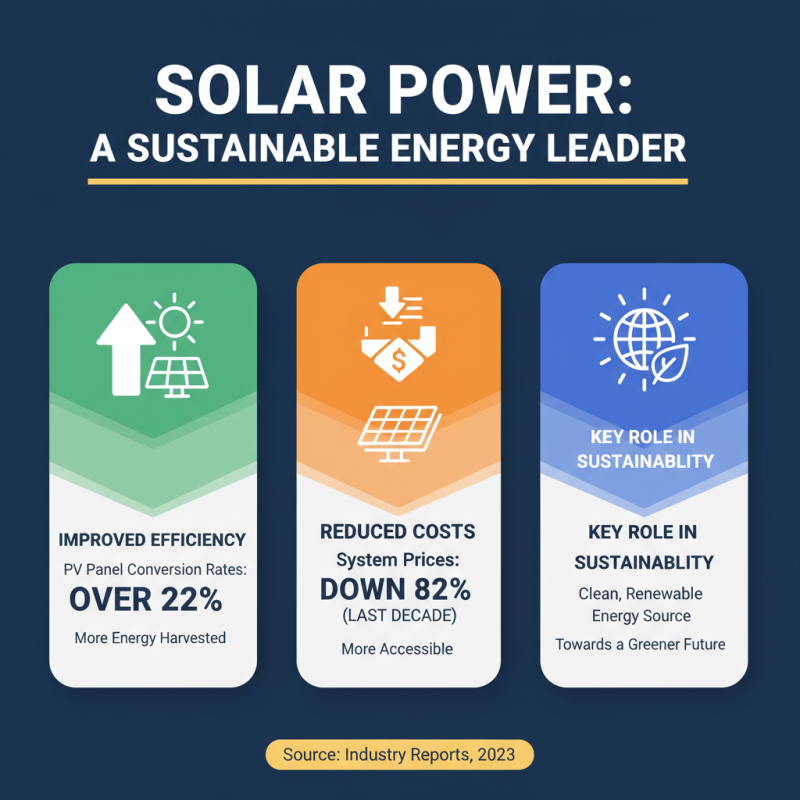
Solar power is gaining traction as a leader in sustainable energy. Recent advancements play a crucial role in this shift. The efficiency of photovoltaic (PV) panels has improved, with conversion rates rising to over 22%. This means more energy harvested from the sun. Additionally, the cost of solar energy systems has dropped significantly, making them more accessible. In the last decade, the price of solar panels has decreased by about 82%.
Battery storage technology is also advancing. New lithium-ion batteries are more efficient and last longer. These innovations address intermittent energy issues tied to solar power. Energy storage systems can now hold energy for longer periods. In fact, studies show that up to 90% of solar energy can be stored for nighttime use.
Despite these advancements, challenges still exist. Recycling old solar panels remains an issue. The industry needs effective solutions to manage waste. There’s also the need for improved infrastructure to support the growing number of solar installations. Overcoming these obstacles is vital for solar energy’s future.
Economic Factors Driving Solar Energy Adoption
The economic factors pushing solar energy adoption are compelling.
First, the cost of solar panels has dropped significantly. According to the International Renewable Energy Agency (IRENA), the cost of solar photovoltaics fell by 82% between 2010 and 2019. This decline makes solar installations more accessible to homeowners and businesses. In many regions, solar is now cheaper than traditional fossil fuels.
Government incentives play a key role as well. Tax credits and rebates encourage investment in solar technologies. A report from the Solar Energy Industries Association (SEIA) notes that federal tax credits can cover up to 26% of installation costs. Such incentives mitigate the initial financial burden. However, the availability of these incentives can vary across regions, leading to disparities in solar adoption.
Despite the advantages, challenges remain. The initial investment can still be a hurdle for many. Financing options are improving, but not everyone can take advantage. In addition, infrastructure issues and regulatory barriers can slow progress. As the industry grows, there is a need for sustainable financing models. Aspects of legislation also require scrutiny. Yet, the trajectory of solar energy remains positive, indicating a shift toward a greener economy.
Challenges and Solutions in Solar Power Implementation
The implementation of solar power faces several challenges. One major issue is the intermittency of sunlight. Solar panels only generate energy during the day. Cloudy days further reduce output. Energy storage solutions are currently inadequate in many cases. This gap can hinder the reliability of solar energy as a main power source.
Another significant challenge is the high initial cost of installation. Many households and businesses hesitate due to these upfront investments. Although prices have decreased, affordability remains a concern. Incentives and subsidies could help, but they are often limited and vary by region. Additionally, public awareness about the benefits and options for solar energy is still lacking.
Lastly, the environmental impact of manufacturing solar panels should be considered. Not all materials are sustainably sourced. Some processes generate harmful waste. A balance between efficiency and sustainability must be achieved. Continuous research and innovation are vital in addressing these issues and making solar power a truly sustainable energy solution.
Solar Power Adoption Over the Years
The chart above illustrates the growth of solar power capacity globally from 2015 to 2022, highlighting its potential as a key player in sustainable energy. This data reflects the increasing efforts in solar technology implementation and adoption over the years.