What is a Solar PV Project and How Does It Work?
The transition to renewable energy sources is critical for our future. Solar PV projects have become a prominent solution in this shift. According to the International Energy Agency, solar power capacity hit 850 gigawatts globally by the end of 2022, showcasing its rapid growth. The Solar Energy Industries Association reports that the U.S. solar market alone is projected to grow by over 20% annually for the next five years.
Dr. Lisa J. Miller, a renowned expert in solar technologies, states, "The potential of solar PV projects is enormous, yet there is still much work to be done." This highlights an essential reality: while progress is impressive, challenges remain in integrating these systems effectively. Some projects face delays and budget overruns. These hurdles remind us that achieving efficiency is an ongoing journey.
Engaging in solar PV projects involves understanding the technology and addressing its limitations. It requires collaboration among governments, communities, and industry leaders. With better planning and innovation, these projects can lead to a more sustainable energy future. Without reflection on past failures, we risk repeating them.
What is a Solar PV Project? Definition and Key Components
A solar PV project harnesses sunlight for energy. At its core, the system consists of
photovoltaic (PV) panels. These panels capture sunlight
and convert it into electricity. The energy produced can power homes, businesses,
or even feed back into the grid.
Key components of a solar PV project include
inverters,
batteries,
and mounting structures.
Inverters transform the direct current (DC) from panels into alternating current (AC) for use in homes.
Batteries store excess energy for later use. Mounting structures ensure the panels are
positioned optimally for sunlight exposure.
However, challenges exist. Installation costs can be high.
Not all locations receive adequate sunlight year-round. Plus,
maintenance is essential for optimal performance. Evaluating these factors is crucial for any solar PV project.
The impact on the environment is significant, but so is the need for
careful planning.
Understanding the Solar Photovoltaic Process: From Sunlight to Electricity
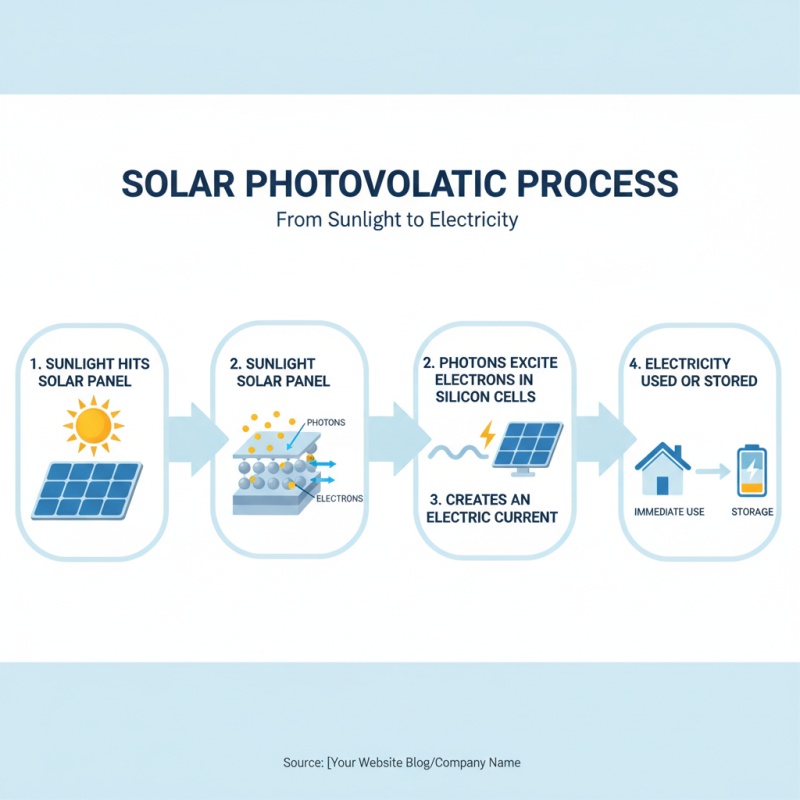
Solar photovoltaic (PV) systems convert sunlight into electricity. This process starts with solar cells made from silicon. When sunlight hits these cells, photons excite electrons. This excitement creates an electric current. The current flows out of the solar panel and can be used immediately or stored.
The system has various components. Inverters convert direct current (DC) into alternating current (AC). AC is what most homes use. Batteries may store excess energy for later use. However, efficiency can vary based on factors like weather and panel angle. Sometimes, panels do not generate enough power during cloudy days.
Despite advancements, challenges exist. Dust and debris can reduce performance. Regular cleaning is essential but often overlooked. Additionally, the initial installation costs can be high. Homeowners may hesitate due to these expenses. Solar PV technology is improving, yet there is still room for growth and innovation in this field.
Overview of Solar PV System Types: Grid-Tied, Off-Grid, and Hybrid
Solar photovoltaic (PV) systems convert sunlight into electricity. There are three main types: grid-tied, off-grid, and hybrid systems. Each type serves different needs and lifestyles.
Grid-tied systems are common in urban areas. They connect directly to the utility grid. This setup allows homeowners to use the electricity generated by their PV panels. Excess energy can be sent back to the grid. This can lower utility bills. However, reliance on the grid means power outages can disrupt this benefit.
Off-grid systems operate independently of the utility grid. They are great for remote locations. Solar panels charge batteries, which store energy. This setup can be more costly due to battery expenses. Maintenance may also be more frequent. Still, it provides energy security and freedom from utility bills.
Hybrid systems combine both grid-tied and off-grid approaches. They can store energy for emergencies. This flexibility is appealing but more complex. Not everyone may need such an intricate solution.
Tips:
1. Assess your energy needs before choosing a system.
2. Consider local climate when selecting solar equipment.
3. Maintenance is key; regular checks can prevent costly repairs.
Key Benefits of Solar PV Projects: Environmental and Economic Impact
Solar PV projects harness sunlight to generate electricity. They consist of solar panels, an inverter, and a mounting system. The panels capture sunlight and convert it into direct current (DC). The inverter then turns DC into alternating current (AC) for home use. These systems help reduce our reliance on fossil fuels.
The environmental benefits of solar PV are significant. Using solar energy decreases greenhouse gas emissions. It improves air quality because it doesn't pollute like fossil fuels. Additionally, solar facilitates the sustainable use of resources. However, the production of solar panels involves some environmental impact, such as resource extraction. It's essential to understand this balance.
Economically, solar PV projects can lower electricity bills. Over time, they provide savings on energy costs. Investing in solar also creates jobs in manufacturing and installation. Yet, initial costs can be high, making it a barrier for some. Tips for those considering solar: assess your roof's suitability and research local incentives. Evaluating these aspects can lead to smarter decisions.
What is a Solar PV Project and How Does It Work? - Key Benefits of Solar PV Projects: Environmental and Economic Impact
| Dimension |
Data |
| Total Installed Capacity (MW) |
250 |
| Annual Energy Production (MWh) |
400,000 |
| CO2 Emissions Reduced (tons/year) |
300 |
| Job Creation (Jobs) |
35 |
| Average Payback Period (years) |
5 |
| Total Investment ($) |
1,500,000 |
| Electricity Cost Savings ($/year) |
50,000 |
Global Trends in Solar PV Installation: Market Growth and Future Projections
The solar photovoltaic (PV) market has seen remarkable growth in recent years. More countries are adopting solar energy. This shift is driven by the need for sustainable energy sources. Solar installations have surged, reaching record numbers globally. Many regions are investing heavily in this technology.
As governments incentivize solar energy, businesses and homeowners are also joining in. It’s becoming more common to see solar panels on rooftops. People are looking for alternatives to fossil fuels. The future looks bright for solar. Projections indicate continued growth in installations over the next decade.
Tips: Consider local regulations when planning a solar project. These can influence the type of system you install. Always evaluate potential energy savings before approaching installers. Research various financing options available to support your investment.
Global Trends in Solar PV Installation: Market Growth and Future Projections