Why Are Solar PV Projects Essential for a Sustainable Future?
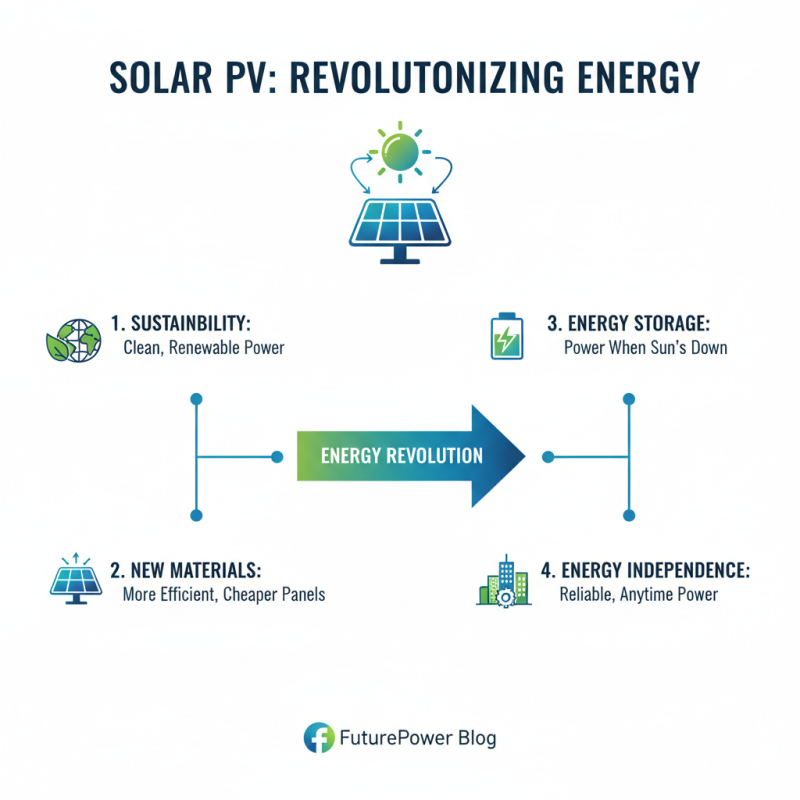
The urgency of climate change has sparked interest in sustainable energy sources. Solar PV projects stand out as essential components in this shift. They harness sunlight to generate electricity, reducing reliance on fossil fuels. As cities grow, the demand for energy increases. Solar PV projects can meet this need in a clean, efficient manner.
Despite their benefits, challenges remain. Not all regions receive the same amount of sunlight, limiting the effectiveness of solar PV projects. Furthermore, the initial investment costs can be a barrier for many communities. Educating the public about these technologies is crucial. It helps build support and understanding of long-term advantages.
The future hinges on our ability to adapt. Solar PV projects are not just about energy generation; they symbolize progress toward sustainability. Embracing these initiatives will require effort and innovation. It invites us to envision a world where clean energy is the norm, not the exception. A collective commitment can make this vision a reality.

The Role of Solar PV Projects in Mitigating Climate Change
Solar PV projects offer a powerful solution in our fight against climate change. They directly convert sunlight into electricity, reducing our reliance on fossil fuels. This shift is crucial; burning fossil fuels releases greenhouse gases. Solar energy, in contrast, produces no emissions during operation. It’s a clean alternative that can help lower global temperatures.
However, the implementation of solar PV systems is not without challenges. Not all regions receive the same amount of sunlight. Some areas struggle to harness solar potential effectively. Furthermore, the production of solar panels involves energy and resource consumption. This brings the question of sustainability into focus. The lifecycle of panels requires careful consideration.
Despite these hurdles, solar PV remains an essential part of the climate solution. The technology is rapidly evolving. Improved efficiency and lower costs are on the horizon. Society must embrace this renewable energy source. With determination, we can overcome obstacles. The journey toward a sustainable future relies on these efforts.
Importance of Solar PV Projects in Reducing Carbon Emissions
Economic Benefits of Solar PV Projects for Local Communities
Solar PV projects bring substantial economic benefits to local communities. These initiatives can create jobs, from installation to maintenance. Many communities see a boost in employment opportunities. Skilled and unskilled workers are all needed. People can gain valuable experience. Local contractors often benefit too.
Moreover, solar projects can reduce energy costs. By harnessing the sun’s power, communities can save money. This often leads to lower utility bills for residents. Some grants or tax incentives can further enhance financial gains. Increased local investment can happen, leading to further developments. However, tensions can arise regarding land use and community priorities.
Financing may also be a challenge. Some projects may struggle to secure funding. This can hinder their potential impact. Local governments and organizations must find ways to address these issues. Collaboration is essential for optimizing benefits. Balancing economic growth with community values needs careful consideration. Solar PV must align with the community’s long-term goals.
Economic Benefits of Solar PV Projects for Local Communities
| Economic Benefit |
Description |
Estimated Impact (Annual) |
| Job Creation |
Design, installation, and maintenance of solar PV systems |
500 jobs |
| Increased Tax Revenue |
Additional funds for local education, infrastructure, and public services |
$1.2 million |
| Energy Independence |
Reduction in reliance on imported fossil fuels |
20% reduction |
| Lower Energy Costs |
Decreased electricity bills for residents and businesses |
$300 per household |
| Environmental Benefits |
Reduction in greenhouse gas emissions and improved air quality |
Equivalent to taking 1,000 cars off the road |
Government Policies Supporting Solar PV Development Worldwide
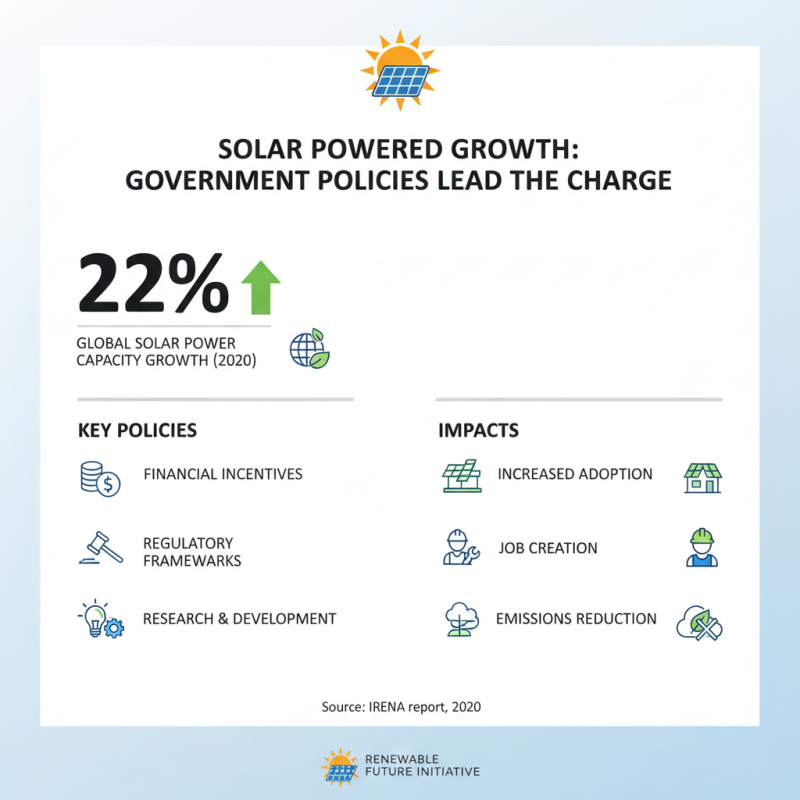
Government policies play a crucial role in promoting solar photovoltaic (PV) development. Countries are increasingly recognizing the importance of renewable energy. According to a report by the International Renewable Energy Agency (IRENA), solar power capacity grew by 22% globally in 2020. This growth is largely driven by supportive government initiatives.
In various regions, policies such as tax incentives and feed-in tariffs encourage investment in solar PV projects. For instance, some nations offer guarantees for a fixed price per kWh of solar energy produced. This gives developers a sense of security. However, not all policies are effective. Inconsistent regulations can hinder growth. Reports highlight that areas with clear policies see accelerated solar adoption.
Moreover, public awareness campaigns enhance the acceptance of solar energy. People become more willing to invest in such technologies when they understand the benefits. Yet, there remains skepticism in some communities. Misinformation can slow down the transition to renewables. Ensuring accurate information is essential for overcoming these barriers. Overall, the role of government policy cannot be underestimated in shaping a sustainable energy future.
Challenges and Solutions in Scaling Up Solar PV Projects
Scaling up solar PV projects presents several challenges. Integrating solar energy into existing grids can be complex. Aging infrastructure often struggles with variable energy production. According to a 2021 report from the International Renewable Energy Agency (IRENA), around 40% of solar PV projects face grid connection delays. This significantly hampers growth. Many regions lack the necessary policies to streamline these connections.
Financing is another hurdle. The upfront costs of solar installations can deter potential investors. A report by Bloomberg New Energy Finance revealed that global investment in solar power totaled $131 billion in 2020. However, many projects still struggle to secure funding. This discrepancy highlights a gap between interest and actual implementation. As a result, innovative financing solutions, like green bonds and community financing, are essential to close this gap.
Despite these hurdles, scaling solar PV projects is vital for sustainable energy. The transition to renewables is not without obstacles. However, addressing these challenges head-on can lead to a greener future. Collaboration among stakeholders must improve to drive these initiatives forward. Progress requires continuous innovation and adaptation. Each step taken today shapes tomorrow's energy landscape.