Top Solar Storage Tips for Maximum Energy Efficiency?
In today's rapidly evolving energy landscape, the role of Solar Storage is critical for efficiency. Experts like Dr. Emily Turner, a renowned figure in renewable energy, emphasize, "Effective solar storage systems can significantly reduce energy waste."
When homeowners install solar panels, they often overlook the importance of storage solutions. Solar Storage systems can capture excess energy for later use, ensuring constant power supply. Some systems, however, can be inefficient if not sized properly. Choosing the right capacity is essential, yet many still feel overwhelmed by options.
Incorporating advanced Solar Storage solutions can lead to more sustainable practices. Yet, there are common mistakes such as underestimating energy needs. This can lead to decreased efficiency and less savings. Overlooking regular maintenance can also diminish a system’s performance. Addressing these issues is vital for maximizing benefits.
Understanding Solar Storage Systems and Their Importance
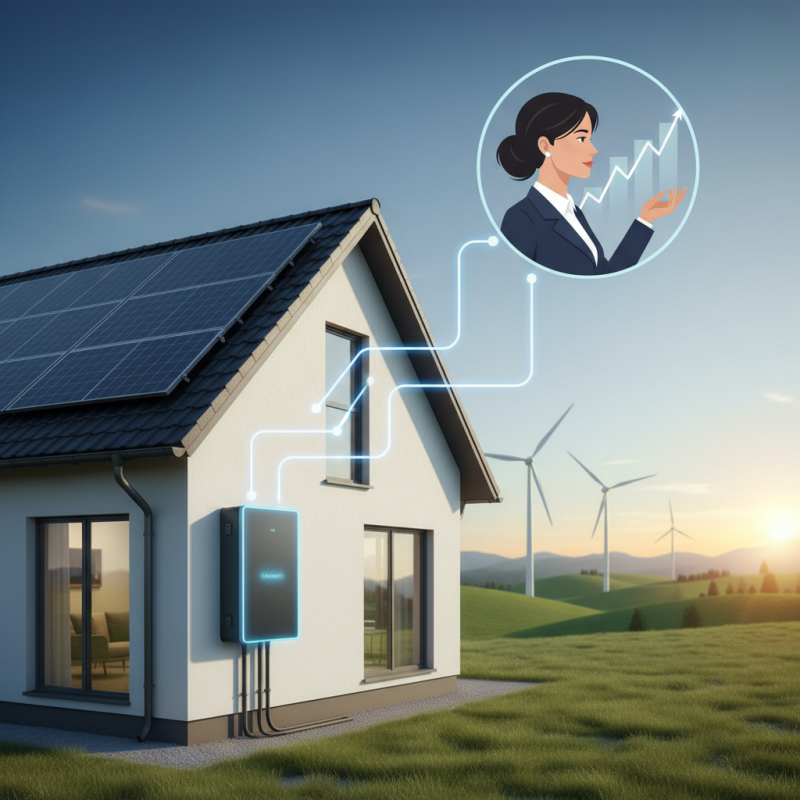
Solar storage systems are essential for maximizing the efficiency of energy generated from solar panels. They allow homeowners to store excess energy for later use. This is particularly important when the sun isn't shining. A well-designed system can lead to lower energy bills and a reduced carbon footprint.
Tips for optimizing solar storage include choosing the right capacity for your needs. Oversizing your system can lead to wasted energy. It's also vital to monitor your usage regularly. Understanding when and how you consume energy can help. Small adjustments, like using appliances during sunny hours, can make a big difference.
Another tip is to maintain your storage system properly. Dust and debris on panels can reduce efficiency. Regular checks ensure everything functions well. Pay attention to battery health too. Degraded batteries can lead to inefficiencies. Learning about your system is a continuous process. Not all setups work perfectly, and minor tweaks often yield better results.
Choosing the Right Battery for Your Solar Energy Needs
When selecting a battery for solar energy, consider your specific needs. Different batteries serve different purposes. Lead-acid batteries are cheaper but may not last long. Lithium-ion batteries are more efficient but come at a higher price. Ensure you understand your energy usage before choosing.
Here are some tips. Check the battery's capacity and efficiency ratings. These numbers are crucial. Consider your home's energy consumption patterns. This will help you choose wisely. Think about the battery's lifespan too. A longer-lasting battery can save you money in the long run.
Evaluate the installation process as well. Some batteries require professional setup. Others can be installed DIY. This might influence your choice. Don’t forget to account for space too. Batteries can be bulky, and you need adequate room. Reflect on your options, and don’t rush the decision. Your energy needs are unique.
Optimal Installation Practices for Solar Energy Storage
When considering the optimal installation practices for solar energy storage, several factors play a crucial role. Location is key. Ideally, batteries should be placed in a climate-controlled area to enhance performance and lifespan. According to the National Renewable Energy Laboratory (NREL), maintaining an optimal temperature range can improve battery efficiency by 20%.
Tip 1: Regularly monitor your system. Check for updates on software and firmware. This can lead to improvements in energy efficiency. Keeping systems updated might seem minor, but it can significantly impact performance.
Another important consideration is battery capacity. Many homeowners underestimate their energy needs. It's common to choose a storage capacity too small for their usage patterns. Reports indicate that 30% of users overestimate their daily energy generation, leading to insufficient storage solutions.
Tip 2: Pairing solar panels with the right storage capacity is critical. Analyze your energy consumption and match it accurately. Inadequate storage can result in energy waste during peak production times.
Finally, installation angle matters. The angle at which solar panels are installed can affect energy capture and, subsequently, storage efficiency. Studies show that an optimized angle increases energy capture by up to 25%. Poor installation practices can lead to wasted energy and reduced battery life.
Tip 3: Consult with professionals to determine the best angle for your location. Attention to detail during installation pays off in the long run, leading to enhanced performance and efficiency.
Maintenance Tips for Longevity of Solar Storage Systems
Maintaining solar storage systems is crucial for their longevity. Regular checks can prevent minor issues from becoming major problems. Dust and debris can accumulate, impacting efficiency. A quick clean can go a long way.
One helpful tip is to monitor battery levels consistently. A battery that’s frequently drained or overcharged may not last as long. Finding the right usage balance is essential. Regularly reviewing the system’s performance can reveal patterns or anomalies.
Temperature can also pose challenges. Extreme heat or cold affects batteries negatively. Insulating the storage area can help regulate temperatures. It's not perfect; some users find that conditions fluctuate. Identifying a stable environment makes a difference in efficiency.
Energy Management Strategies for Maximizing Efficiency
Energy management is crucial for solar power systems. Efficient energy use can significantly reduce costs and environmental impact. According to the U.S. Department of Energy, storing solar energy can increase self-consumption rates by up to 80%. This shows that strategic energy management is key.
One effective strategy is using solar batteries to store excess energy. This helps homeowners utilize stored energy during peak hours. Data from the National Renewable Energy Laboratory indicates that solar batteries can save households about $300 annually. However, the installation can be expensive, requiring careful financial consideration. Reflection on costs versus benefits is vital here.
Another approach involves energy monitoring systems. These systems provide real-time data on energy usage. By analyzing usage patterns, users can identify wasteful habits. Reports suggest that energy monitoring can improve efficiency by 20%. Yet, many overlook this step. They may feel overwhelmed by technology. It's essential to simplify these tools for broader acceptance.