Top 10 Benefits of Rooftop Solar for Global Buyers
As the world seeks sustainable energy solutions, rooftop solar emerges as a vital option for homeowners and businesses. Dr. Emily Chen, a renowned expert in solar energy, states, "Rooftop solar is not just an investment; it's a pathway to energy independence." This technology allows individuals to harness the sun’s power directly, significantly reducing reliance on conventional energy sources.
Adopting rooftop solar can transform energy consumption patterns. It offers economic benefits through reduced electricity bills and potential tax incentives. Moreover, it contributes to cleaner air by minimizing carbon footprints, making it an eco-friendly choice. However, potential buyers must also consider installation costs and maintenance needs, which can vary.
While the advantages are compelling, challenges exist. Some may face restrictions due to their location or rooftop structure. Addressing grid connectivity issues can also complicate installation. Clear understanding and planning are essential. Engaging with experts ensures informed decisions. Ultimately, rooftop solar holds untapped potential but demands careful consideration of various factors.
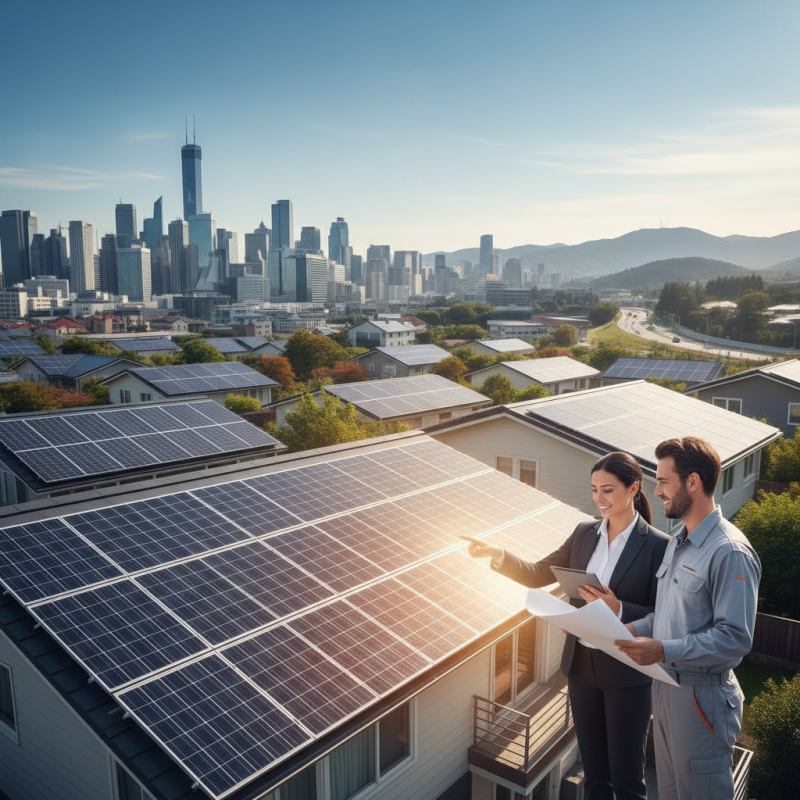
Overview of Rooftop Solar Benefits for Global Buyers
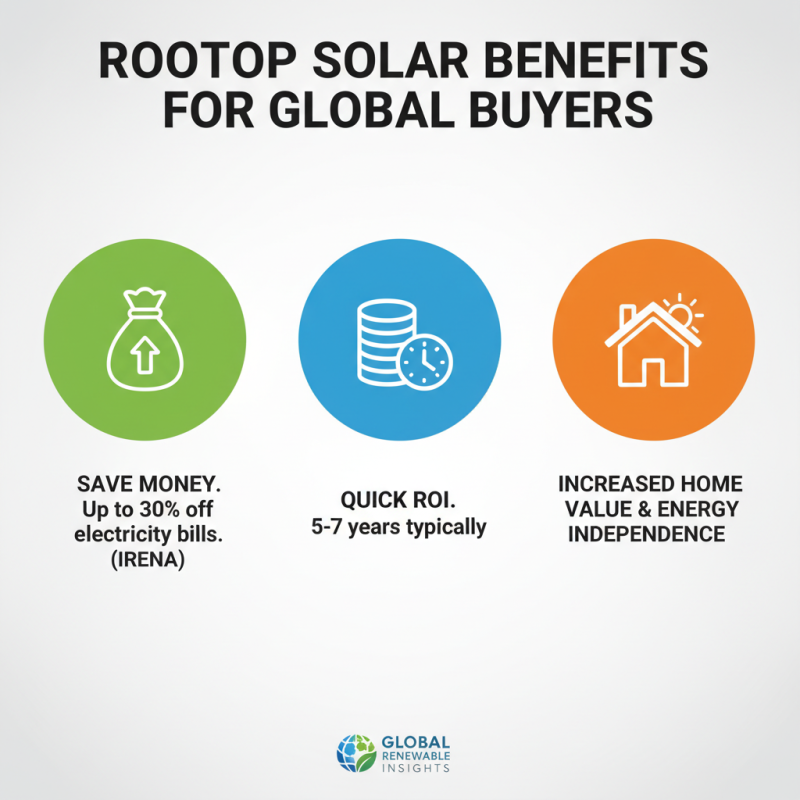
Rooftop solar energy systems offer numerous advantages to global buyers. Economically, they can significantly reduce electricity bills. According to the International Renewable Energy Agency (IRENA), homes with solar panels can save up to 30% on energy costs. These savings can lead to a quicker return on investment, typically within five to seven years, depending on local energy prices and incentives.
Environmental benefits are equally compelling. The Environmental Protection Agency (EPA) estimates that solar energy can reduce carbon emissions by 80% compared to fossil fuels. This shift contributes to cleaner air and a healthier environment. Installing solar panels also adds value to properties, increasing their market appeal. A study by Zillow reveals that homes equipped with solar energy systems can sell for 4% more than similar homes without solar.
Despite these benefits, potential buyers often face concerns. The initial costs can be high, and installation may require significant planning. Variability in solar energy production due to weather can impact energy savings. Regular maintenance is necessary to ensure optimal performance. These factors should be carefully considered when evaluating solar solutions for homes. Balancing economic, environmental, and personal factors is crucial for making an informed decision.
Environmental Impact of Rooftop Solar Adoption
Rooftop solar systems significantly reduce carbon emissions. Transitioning from fossil fuels to solar power lowers greenhouse gases. A study shows that rooftop solar can cut urban emissions by up to 30%. More solar energy reduces reliance on traditional power sources. This shift benefits the planet and helps fight climate change.
Communities that adopt rooftop solar see improved air quality. Fewer harmful pollutants are released into the atmosphere. Residents experience cleaner air and healthier living conditions. Yet, the installation of solar panels requires resources and energy. Manufacturing processes can carry environmental costs. Reflecting on these factors helps us weigh the overall benefits.
Investment in rooftop solar promotes sustainable practices. It encourages homeowners to be more mindful of energy consumption. However, the efficiency of solar panels can vary by location. Some may not capture enough sunlight year-round. Recognizing these limitations is essential for informed decision-making in solar adoption.
Top 10 Benefits of Rooftop Solar for Global Buyers
Economic Advantages of Investing in Rooftop Solar
Rooftop solar represents a powerful investment for businesses and homeowners alike.
According to the U.S. Department of Energy, the cost of solar installations has plummeted over 70% since 2010.
This significant reduction makes rooftop solar both accessible and economically attractive. In many regions, solar energy can now offer lower long-term costs than traditional energy sources.
One of the most compelling factors is savings on electricity bills.
A study by the National Renewable Energy Laboratory indicates that homeowners can save over $1,500 annually with rooftop solar.
This figure varies based on location but showcases the potential for substantial financial relief. However, the initial investment may present a barrier for some.
Financing options have improved, but not all consumers may feel comfortable navigating these choices.
Tax incentives are critical in enhancing the appeal of rooftop solar. According to data from the Solar Energy Industries Association,
many regions still offer significant tax benefits, including a federal solar tax credit of 26%.
This can lead to thousands in savings. Despite these benefits, some buyers worry about maintenance and efficiency over time.
It’s essential to consider the long-term performance and warranty options available.
Diving into solar is indeed a complex decision that requires careful reflection and planning.
Energy Independence and Security Through Rooftop Solar
Rooftop solar systems offer a path to energy independence and security. Homeowners can generate their own electricity, reducing reliance on the grid. This autonomy is empowering. You can avoid price hikes from utility companies. Moreover, rooftop solar improves resilience during power outages.
Tips: To maximize benefits, consider your roof’s orientation. South-facing roofs capture more sunlight. Regular maintenance helps maintain efficiency. Keeping panels clean enhances energy generation.
Investing in rooftop solar is not just about savings. It's also about sustainability. Many buyers feel a sense of pride in using renewable energy. However, initial costs can be daunting. Assess your financial options carefully. Local incentives may offset expenses, so research is crucial. Balancing costs and benefits demands reflection.
Long-Term Sustainability and Maintenance of Rooftop Solar Systems
Rooftop solar systems offer long-term sustainability, making them an appealing option for homeowners and businesses alike. By harnessing sunlight, these systems reduce reliance on traditional energy sources. They provide clean energy and help mitigate climate change. Understanding how to maintain these systems is crucial to maximizing their lifespan and efficiency.
Regular maintenance is essential. Clean solar panels ensure optimal energy absorption. Dust, dirt, and debris can hinder performance. Consider setting a cleaning schedule, especially after storms or heavy winds. A professional inspection once a year can identify potential issues early. Act quickly to avoid costly repairs later.
One common oversight is neglecting the inverter's health. This component converts sunlight into usable electricity. Monitor its performance regularly. If it’s underperforming, it might be time for maintenance. Evaluate your warranty terms as well. Knowing what’s covered can save you money in the long run. Investing in rooftop solar not only benefits you today but also promotes ecological responsibility for future generations.