Top Benefits of Solar Power for a Sustainable Future?
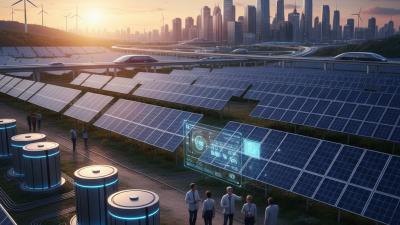
As the world shifts toward sustainability, solar power emerges as a key player in this transition. Renowned solar energy expert, Dr. Jane Smith, states, “Solar power is not just an alternative; it is a necessity for a sustainable future.” This sentiment resonates in an era where environmental concerns and energy demands collide.
Solar power harnesses the sun's energy, reducing reliance on fossil fuels. The technology has matured, making it more accessible and efficient. Installation costs have declined, allowing homeowners and businesses to invest in renewable energy. Additionally, solar panels generate clean electricity, minimizing carbon footprints. However, some hesitate due to upfront expenses and maintenance worries.
The journey toward adopting solar power still faces challenges. Awareness and education are crucial in overcoming skepticism. Many people lack understanding of solar technology and its benefits. By addressing these gaps, we can accelerate the shift toward a sustainable future powered by solar energy. Solar power holds great promise, but we must confront the barriers head-on to truly realize its potential.
Advantages of Solar Energy in Reducing Carbon Footprint
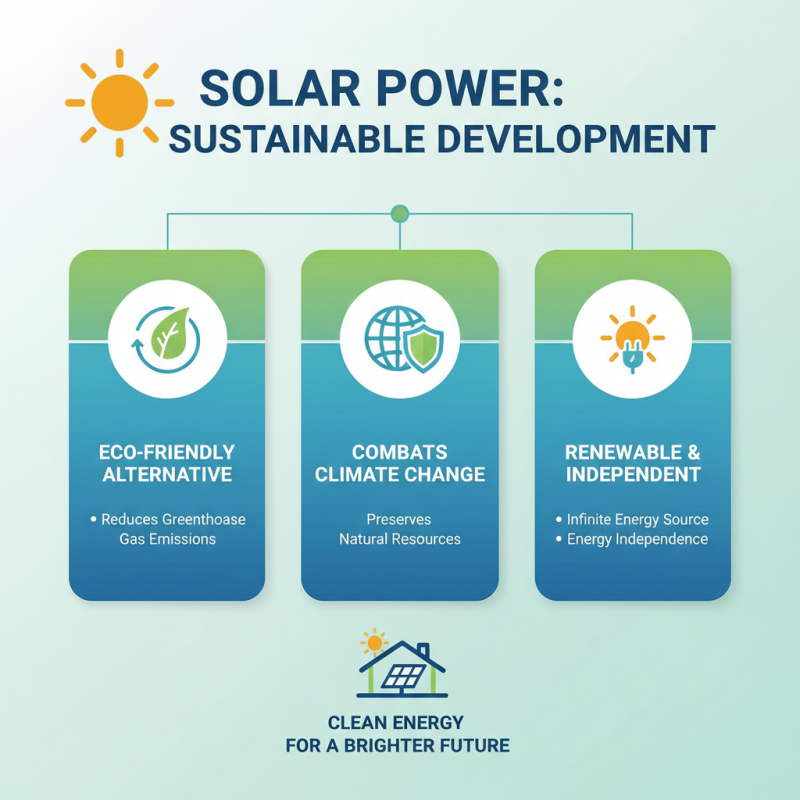
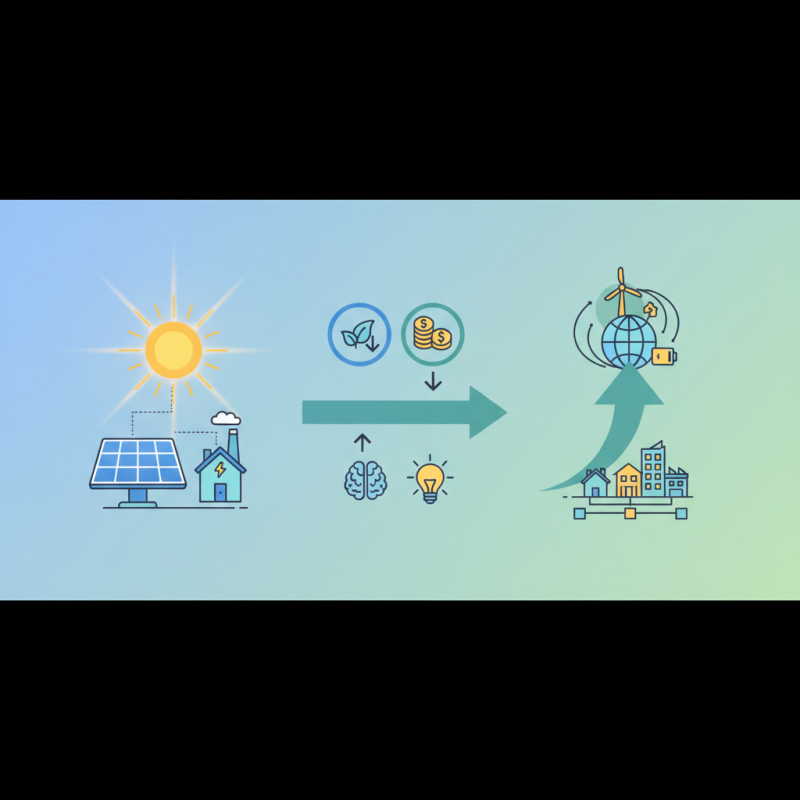
Solar energy stands as a leading solution for minimizing our carbon footprint. By harnessing sunlight, we can generate clean electricity without producing harmful emissions. This process plays a vital role in combatting climate change. Each solar panel installed reduces reliance on fossil fuels. The shift toward solar energy creates a cleaner atmosphere, benefitting all life on Earth.
In addition to reducing carbon levels, solar power enhances energy independence. Every home equipped with solar panels contributes to a collective decrease in greenhouse gas emissions. There's an empowerment that comes from generating one’s own energy. However, the transition is not perfect. Initial installation costs can be high, and efficiency varies by location. Not everyone has access to ideal sunlight. Still, investing in solar technology paves the way for a sustainable future. This is a journey, not without its obstacles, but the potential rewards make it worthwhile.
Top Benefits of Solar Power for a Sustainable Future
| Benefit |
Description |
Impact |
| Reduced Carbon Emissions |
Solar power generation significantly lowers greenhouse gas emissions compared to fossil fuels. |
Contributes to combating climate change. |
| Energy Independence |
Solar energy reduces reliance on imported fuels, enhancing national security. |
Promotes local energy production. |
| Job Creation |
Solar industry growth leads to new job opportunities in manufacturing, installation, and maintenance. |
Stimulates economic growth. |
| Lower Energy Bills |
Generating power from solar panels reduces electricity costs for homeowners and businesses. |
Increases financial savings. |
| Sustainable Energy Source |
Sunlight is abundant and renewable, making solar power a sustainable energy source. |
Supports long-term environmental health. |
Economic Benefits of Solar Power for Individuals and Communities
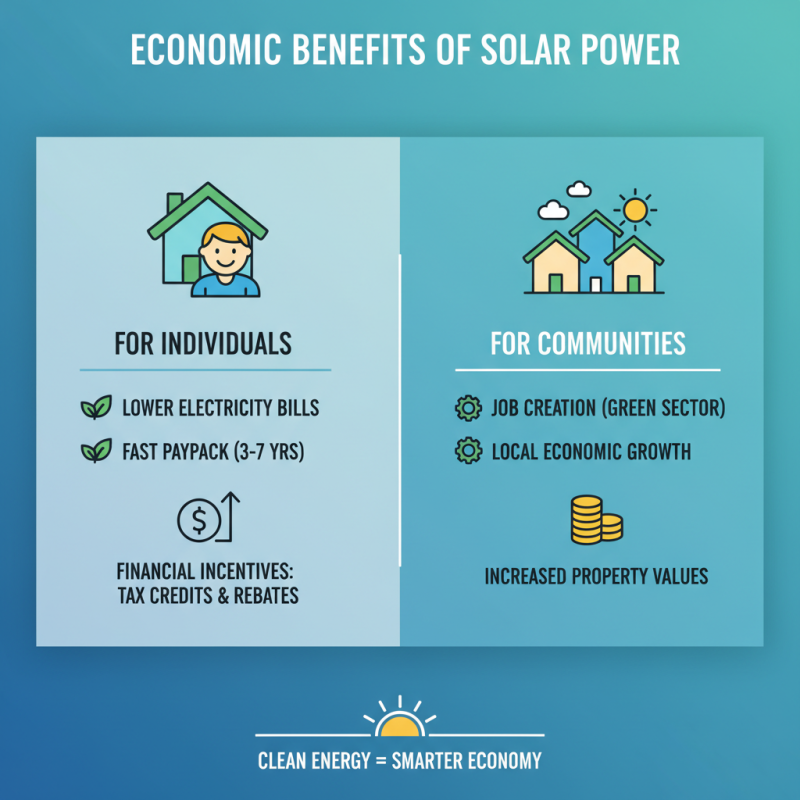
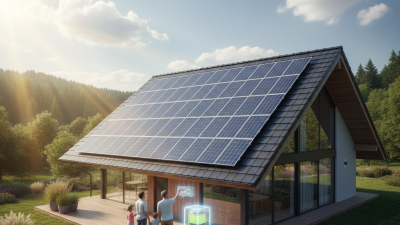
Solar power offers significant economic advantages for individuals and communities. By harnessing the sun's energy, households can reduce their monthly electricity bills. Many homeowners find that solar panels pay off within just a few years. The initial investment might seem daunting, but financial incentives often help bridge this gap. Tax credits and rebates can lower costs. As awareness grows, financing options become more accessible.
Communities also benefit from solar energy. Local economies gain through job creation in installation and maintenance. These jobs are vital, especially in areas hard-hit by economic downturns. Solar farms can generate revenue for local governments, enhancing public services. Additionally, they can promote energy independence. Community solar projects allow even those without roof space to share in the benefits.
Despite these benefits, some challenges remain. The location of solar installations can affect efficiency. Not every region gets the same sunlight. Furthermore, the technology involves upfront costs that not everyone can afford. Financial education about available options can empower more individuals to embrace solar power. Each community needs to evaluate these factors as they decide whether to invest in solar energy.
Impact of Solar Technology on Energy Independence and Security
Solar technology is reshaping energy independence and security by tapping into a renewable source that is abundant and accessible. As per the International Renewable Energy Agency (IRENA), solar energy could make up to 30% of the world’s power supply by 2030. This focused adoption can drastically reduce reliance on imported fossil fuels, which currently affects many countries' energy security.
Moreover, solar power enhances energy resilience. A report from the U.S. Department of Energy (DOE) states that diversifying energy sources can lead to lower energy prices and increased reliability. In various regions, integrating solar technology in the grid allows for localized energy production, decreasing the distance between generation and consumption. This shift cuts transmission losses and enhances energy efficiency.
Tip: Consider installing a solar system not just for savings, but also to fuel a transformation in your local energy landscape. Small communities powered by localized solar farms are proving that energy independence is feasible.
However, challenges exist. The initial cost of solar installations can be high, and not all areas receive the same sunlight exposure. It’s essential to assess specific needs and conditions before making such investments. Transitioning to solar is not just a financial decision; it shapes the future we live in.
Top Benefits of Solar Power for a Sustainable Future
Long-term Environmental Benefits of Adopting Solar Energy Solutions
Adopting solar energy solutions brings substantial long-term environmental benefits. According to the National Renewable Energy Laboratory, solar power systems can reduce carbon emissions significantly. A typical home solar system can offset nearly 100 tons of carbon dioxide over its lifespan. This reduction is equivalent to planting over 2,500 trees.
Solar energy also conserves water. The U.S. Department of Energy states that solar power systems need far less water compared to traditional fossil fuel energy sources. This is crucial in areas facing water shortages. Moreover, solar panels have lifespans exceeding 25 years. Thus, they contribute to sustained energy stability.
Tips: Consider installing solar panels at home. They not only save money but also help the environment. Regular maintenance can extend the life of your solar system. Always consult with experts for the best installation practices. Reflect on how energy choices affect both personal costs and the planet's health.