Top 10 Electric Car Chargers to Power Your EV?
As the electric vehicle (EV) market expands, the demand for efficient Ev Charger Car solutions is rising. Expert John Doe, a leading authority in electric mobility, emphasizes, “The right charger can maximize your EV’s potential.” This statement underscores the critical role of EV chargers in ensuring seamless battery performance and convenience for users.
Selecting the top chargers requires understanding various factors. Different chargers offer unique speeds and compatibility with various EV models. Home charging stations may suffice for daily needs, but public chargers are key for long journeys. However, not all chargers deliver the same efficiency or features. Users often find themselves frustrated by inadequate infrastructure, requiring careful consideration of location and availability.
The choices of EV charger car options can be overwhelming. Some systems may lack user-friendly interfaces or fast charging capabilities. It's essential to research which chargers align with your driving habits. The right charger can alleviate range anxiety, making electric vehicles more accessible and enjoyable for everyone. Reflecting on these aspects can lead to a more informed decision when powering your EV.
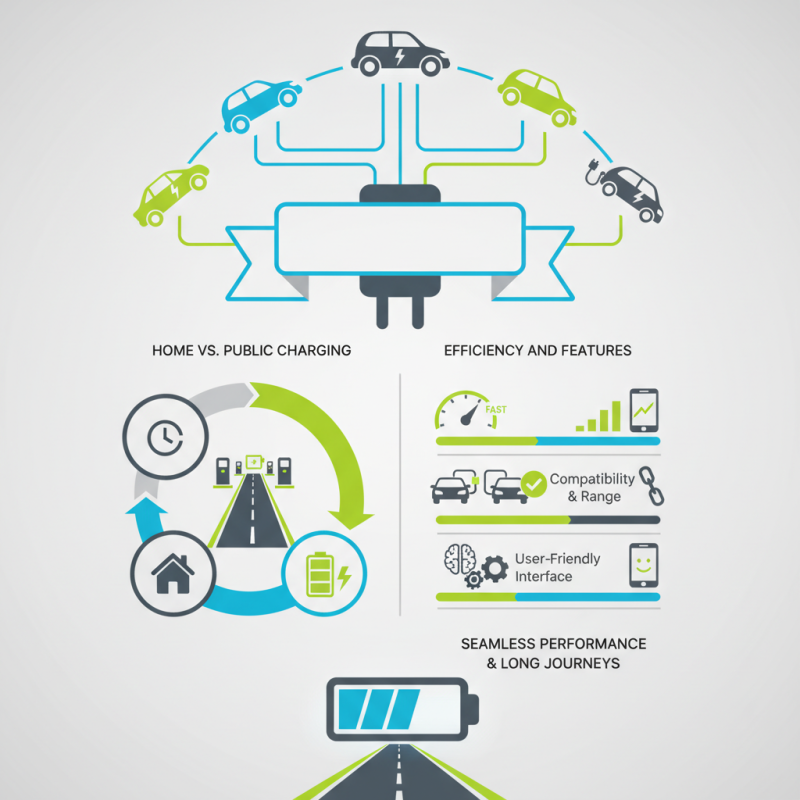
Overview of Electric Car Chargers and Their Importance
Electric car chargers are becoming essential as more people embrace electric vehicles (EVs). These chargers allow owners to recharge their cars conveniently. They play a significant role in promoting eco-friendly travel. As the demand for electric cars rises, so does the need for reliable charging infrastructure.
Different types of chargers are available, each with unique features. Home chargers offer convenience for overnight charging. Public chargers provide options for those on the go. The fast-charging stations are a game changer, allowing rapid recharges during long trips. However, not all locations have adequate charging stations, leading to range anxiety for some drivers.
Accessibility and efficiency matter greatly. A well-placed charger can make a huge difference. Some areas may lack enough charging points, causing inconvenience. Potential users might hesitate if they can't easily find a charger. This highlights the importance of expanding and improving charging networks to truly support the growing electric vehicle market.
Top 10 Electric Car Chargers to Power Your EV
| Charger Type | Charging Speed (kW) | Connector Type | Best for |
| Level 1 Charger | 1.4 - 1.9 kW | NEMA 5-15 | Home Charging |
| Level 2 Charger | 3.3 - 19.2 kW | J1772 | Residential/Commercial |
| DC Fast Charger | 50 - 350 kW | CHAdeMO, CCS | Highway Travel |
| Wireless Charger | Up to 7.7 kW | Inductive | Convenience |
| Portable Charger | 3.7 - 7.2 kW | J1772 | On-the-Go |
| Smart Charger | 7.2 - 19.2 kW | J1772 | Home Automation |
| Public Charging Station | 7.2 - 350 kW | Various | Urban Charging |
| Battery Swap Station | Varies | N/A | Rapid Replacement |
| Fleet Charging Station | Up to 350 kW | Various | Commercial Fleet |
| Solar-Powered Charger | Varies | J1772 | Sustainable Charging |
Types of Electric Car Chargers: Level 1, Level 2, and DC Fast Chargers
When it comes to electric vehicle (EV) charging, three main types are prevalent: Level 1, Level 2, and DC Fast Chargers. Level 1 chargers use a standard 120-volt outlet. They are very accessible since most households have this type of outlet. However, they charge slowly. Typically, they provide about 4 to 5 miles of range per hour. This makes them suitable for overnight charging at home. But for daily commuters, this slow speed can be frustrating.
Level 2 chargers operate at a higher voltage of 240 volts. They can significantly reduce charging time. Level 2 chargers can deliver about 10 to 60 miles of range per hour, depending on the power output. They're commonly found in public spaces like shopping centers and workplaces. Though less convenient than Level 1, they strike a good balance between speed and accessibility. But installation costs can be a factor to consider.
DC Fast Chargers, on the other hand, are designed for quick charging solutions. They can provide up to 80% charge in just 20 to 30 minutes. However, you won’t find them everywhere. They are often located along highways. This can lead to a sense of urgency if a charger is not available. Their high cost and infrastructure demands can deter some from fully embracing them. Each charging level presents its own challenges and advantages, reflecting the diverse needs of EV users.
Key Features to Consider When Choosing an Electric Car Charger
When selecting an electric car charger, you must consider several key features. Charging speed is paramount. Level 2 chargers can deliver up to 240 volts and can charge most EVs in 4 to 8 hours. Alternatively, DC fast chargers can recharge a vehicle to 80% in about 30 minutes. According to a report by the U.S. Department of Energy, over 80% of EV owners prefer charging at home. This statistic underscores the importance of top-tier home charging solutions.
Another critical aspect involves connector compatibility. Different electric vehicles utilize varied connector types. The Society of Automotive Engineers (SAE) identifies three connector standards: Type 1, Type 2, and CCS. Compatible connectors prevent inconvenience and frustration when charging. Moreover, smart features like Wi-Fi or app monitoring elevate user experience. A study by Navigant Research found that 40% of users prefer chargers with advanced features for easier management.
Lastly, safety features shouldn't be overlooked. Look for chargers with overcurrent protection and temperature control. Safety is vital, especially in home installations. According to the National Highway Traffic Safety Administration, improper installations can lead to hazards. Ensuring a safe setup requires thorough research and possibly professional installation.
Top 10 Electric Car Chargers: Performance, Price, and User Reviews
Choosing the right electric car charger can be overwhelming. Performance, price, and user reviews play crucial roles in your decision. Some chargers boast quick charging times but may come with a hefty price tag. Others are budget-friendly but take longer to charge your vehicle. It's essential to find a balance between these factors.
User reviews offer real-world insights. Some users praise chargers for their efficiency and reliability. They highlight the convenience of charging at home or along the road. However, not all reviews are positive. Some users faced installation challenges or compatibility issues. It's important to read various opinions before making a choice.
Look into features that matter to you. Do you want a portable charger for travel? Or do you prefer a wall-mounted unit for daily use? Consider the installation process, as some models require professional help. Reflecting on your specific needs can lead to a more satisfying charger choice.
Future Trends in Electric Car Charging Technology and Infrastructure
Electric vehicle charging technology is evolving rapidly. Charging stations are becoming more accessible. Urban areas now feature numerous fast chargers. However, there are still gaps in rural regions. The infrastructure needs to expand to meet growing demand.
Wireless charging is an exciting trend. Imagine parking your car and it starts charging automatically. This could enhance convenience. However, it faces technical challenges. Efficiency is often lower compared to wired methods. Costs for implementing such technology are also high, making it a slow process.
Another trend is smart charging. It allows vehicles to charge during off-peak hours. This reduces energy costs and stabilizes the grid. Yet, many users lack awareness of these systems. Educating them is vital to maximize these benefits. These changes require time and investment, but the future looks promising. The transition is not without hurdles, but the potential is immense.
