Top Solar Applications in China for Global Buyers?
As global interest in renewable energy grows, China stands at the forefront of solar innovation. Renowned expert Dr. Li Wei states, "China leads the world in Solar Applications, transforming energy access." This powerful statement encapsulates the rapidly evolving landscape of solar applications in the country. From residential solar panels to large-scale solar farms, China is revolutionizing how we harness solar energy.
The variety of solar applications not only serves domestic needs but also caters to international buyers seeking sustainable solutions. For instance, cities in China are increasingly integrating solar technology into urban planning. Such innovations demonstrate the wide-reaching potential of solar applications. However, challenges remain, including the need for improved technology and broader market access.
As buyers explore options, understanding the intricacies of solar applications in China becomes essential. Each application offers unique benefits and complexities. Thus, while the future looks bright, it is crucial for stakeholders to reflect on areas needing improvement. Embracing these challenges will lead to more efficient and reliable solar applications worldwide.
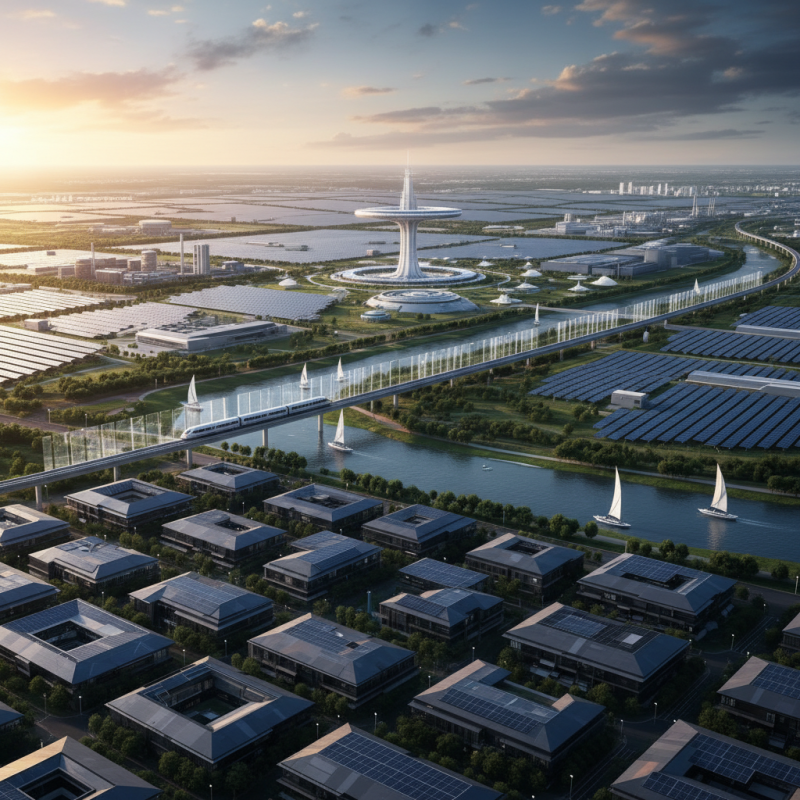
Top Solar Applications in China: An Overview for Global Buyers
China is a leading player in the solar market, with various applications that appeal to global buyers. Diverse sectors utilize solar technology, enhancing energy efficiency and reducing costs. Solar panels are commonly installed on rooftops of factories and homes, providing clean energy. This localized generation benefits both the environment and energy security.
Beyond rooftops, solar farms have gained momentum. Vast open spaces are transformed into energy hubs. These farms can produce substantial electricity, supplying nearby cities. However, challenges exist, such as land use and integration into existing grids. Policymakers must balance energy needs with land preservation.
Moreover, solar heating systems are popular in residential areas. These systems reduce reliance on traditional heating methods. They utilize sunlight to provide hot water, saving energy costs. Still, many consumers lack awareness of their benefits. Education plays a critical role in encouraging adoption. Understanding these applications can empower global buyers in their sustainable energy journeys.
Market Trends in China's Solar Industry: Growth and Investment Data
China’s solar industry is on an impressive upward trajectory. In 2022, the country installed over 87 gigawatts of solar power capacity, making it the largest solar market globally. According to the International Energy Agency, solar energy constituted about 13% of China’s total electricity generation. Such figures highlight the rapid growth in renewable energy investments, driven by policy support and technological advancements.
Investment in solar technology continues to surge. In 2023, China is expected to lead global solar panel production, with a market share of more than 70%. Research from Wood Mackenzie indicates that solar demand will increase, with forecasts showing growth rates between 15-20% annually over the next five years. However, this growth is not without challenges. Supply chain issues have surfaced, raising concerns about the sustainability of this rapid expansion.
Local governments are also playing a significant role. Many regions are implementing incentives to promote solar energy use in residential areas. Yet, disparities exist in policy enforcement and support across provinces. Some areas see robust investment, while others lag behind. This uneven growth highlights the need for better coordination and support for the solar transition overall.
Key Solar Technologies: Innovations Driving China's Energy Transition
China is at the forefront of solar technology innovations. These advancements are reshaping the country's energy landscape. Photovoltaic (PV) technology is evolving rapidly. New materials enhance efficiency and reduce production costs. This allows solar energy to compete with traditional fossil fuels.
Innovations like bifacial solar panels maximize energy capture. They utilize sunlight from both sides, offering higher yields. Energy storage systems are also significant. Improved battery technologies allow renewable energy use during non-sunny times. This technology represents a shift toward sustainable living.
There is much progress, yet challenges remain. The manufacturing sector faces environmental scrutiny. Balancing growth and sustainability is crucial. Efficient recycling methods for solar panels need development. Without addressing these issues, the journey toward a fully green energy future may falter.
Government Policies and Incentives for Solar Adoption in China
China's commitment to solar energy is reflected in its supportive government policies. The government has introduced various incentives for both residential and commercial solar projects. These incentives make solar adoption more appealing and affordable. Subsidies can cover a significant portion of installation costs, easing financial burdens for users. In addition, certain regions offer tax breaks for solar energy production. This helps increase the attractiveness of solar investments.
Local governments often enforce feed-in tariffs, guaranteeing fixed payments for energy producers. However, the complexity of regulations can sometimes discourage foreign investors. Policy changes may also create uncertainty. Navigating the landscape can be challenging, especially for newcomers. Despite these hurdles, many global buyers continue to explore opportunities in China’s solar market.
The Chinese market benefits from rapid technological advancements. Innovations often lead to more efficient solar panels and systems. Buyers should stay informed about the latest developments. The competition among manufacturers drives prices down, which is another positive factor for global buyers. However, it's crucial to conduct thorough research. Understanding the local market dynamics can make a significant difference in the success of solar projects.
Challenges and Opportunities for Global Buyers in China's Solar Market
Navigating China’s solar market presents unique challenges and opportunities for global buyers. The rapid growth of solar technology has spurred innovation, but understanding local regulations can be daunting. Buyers must familiarize themselves with complex certification processes. These can vary significantly across provinces. Moreover, language barriers may complicate communication with manufacturers and suppliers.
One tip for success in this market is to prioritize partnerships with local firms. Local experts can provide valuable insights into the regional landscape. They can also help navigate the bureaucratic hurdles that international buyers often face. Establishing a trustworthy local network can ease market entry.
Another aspect to consider is the variations in product quality. Not all solar panels are created equal, and quality can fluctuate among different manufacturers. Global buyers should conduct thorough research and consider multiple suppliers before making decisions. Testing samples before bulk purchasing is advisable. This step can prevent potential setbacks down the line.
