Top 10 Solar Energy Tips for Homeowners in the UK?

In the UK, homeowners are increasingly turning to solar energy as a sustainable solution. Simon Smith, a leading expert in the solar energy UK sector, once said, "Embracing solar technology is essential for a greener future." This highlights the urgent need for homeowners to explore solar options.

The transition to solar energy can be both exciting and challenging. Many homeowners face obstacles in understanding installation costs and energy savings. However, each decision can lead to significant environmental benefits and savings on energy bills. Investing in solar panels may seem daunting, but the long-term advantages are compelling.

Homeowners must educate themselves about the various aspects of solar energy UK. It's easy to get lost in overwhelming information. Simple tips can ease this journey toward energy independence. By taking the right steps, homeowners can transform their living spaces into eco-friendly havens.
Top 10 Solar Energy Tips for Homeowners in the UK?

Understanding Solar Energy Basics for Homeowners in the UK
Top 10 Solar Energy Tips for Homeowners in the UK?

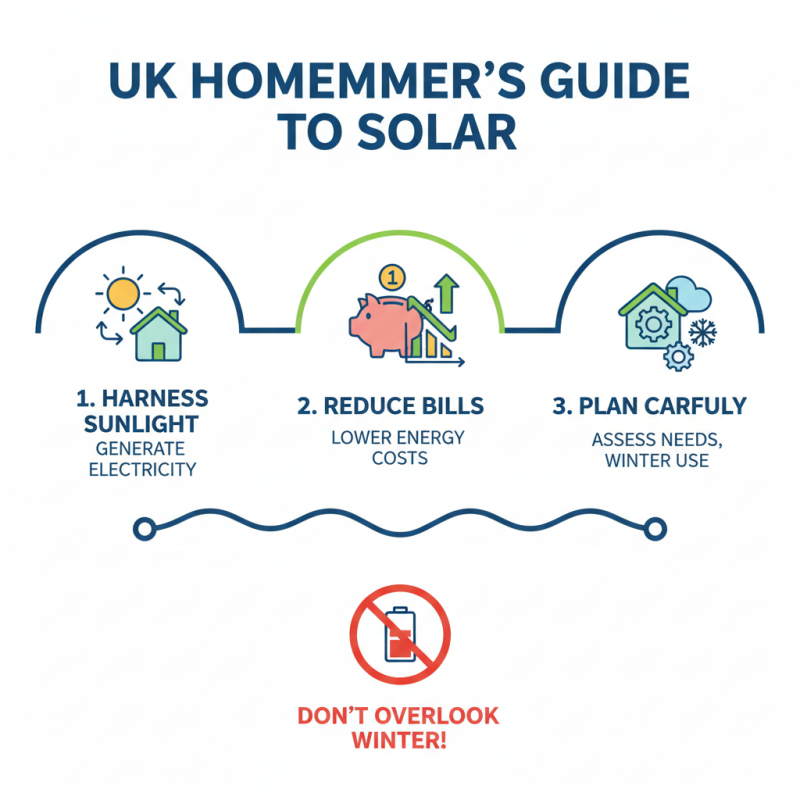
Understanding solar energy can seem daunting for UK homeowners. Solar power harnesses sunlight to generate electricity. This electricity can help power your home, reducing energy bills. Installing solar panels requires a good understanding of your home's energy needs. You might not use solar energy all day, especially in winter. Don't overlook this when planning.

Consider roof orientation and shading. South-facing roofs receive the most sunlight. Trees and buildings might cast shadows. This could affect efficiency. It's essential to assess your environment honestly. Be aware of the initial costs of installation. Many people find it a significant investment. While long-term savings are attractive, the upfront expenses can be difficult.

Despite its benefits, solar energy has limitations. Weather conditions can vary. Cloudy days may decrease energy production. Planning is crucial, especially for less sunny months. Energy storage solutions can help balance this variability. However, these systems have their own costs and maintenance needs. Homeowners should weigh these factors carefully. Engaging with local energy experts can provide clarity and guide your decisions.
Evaluating Your Home's Suitability for Solar Panel Installation

Evaluating your home's suitability for solar panel installation is crucial. Start by assessing your roof's orientation. South-facing roofs receive the most sunlight. However, east and west-facing roofs can also work well. A study by the UK Department for Business, Energy & Industrial Strategy reveals that homes with south-facing roofs produce up to 30% more energy.

Next, consider your roof's condition. If it needs repairs, installing panels can be tricky. The cost of replacing or reinforcing the roof could impact your budget. Additionally, check the size of your roof. An average household might need around 20-30 square meters for an efficient system. Not all homes have this space.

Evaluate your energy needs too. According to the Energy Saving Trust, the average UK household spends about £1,300 annually on energy. Solar panels can reduce this bill significantly. However, not all homes will benefit equally. Calculate expected energy savings against installation costs. This analysis will help you determine if solar energy is a viable option for you.

Choosing the Right Solar Panel System for Your Needs

Choosing the right solar panel system for your needs can be overwhelming. Every home is unique. Factors like energy requirements, roof size, and location matter. You want to generate enough electricity without overspending.

Start by evaluating your energy consumption. Look at your past utility bills. This gives you a baseline. Also, consider your roof's orientation. South-facing roofs typically get the most sunlight. However, even east or west can work well.

Tip: Consult local experts. They can help assess your situation. Don’t rush into a decision. It’s vital to compare several options. Pay attention to warranty and efficiency ratings. Quality often leads to better long-term savings. Remember, the initial investment can feel daunting, but the benefits can outweigh the costs.

Top 10 Solar Energy Tips for Homeowners in the UK

Financial Incentives and Grants for Solar Energy in the UK

When considering solar energy, financial incentives play a crucial role for UK homeowners. The government offers various grants and schemes. These can significantly reduce the cost of installing solar panels. Homeowners may receive grants that cover a portion of installation costs. This can make the transition to solar energy much more affordable.

However, navigating these incentives can be complex. Homeowners often find the application process daunting. It's essential to do thorough research before proceeding. Understanding the available funding and eligibility requirements is crucial. Some homeowners have reported delays in receiving financial support. This can create frustrations and uncertainties.

Additionally, the savings on energy bills may take time to fully materialize. Some people may feel overwhelmed by the initial investment. Yet, with proper planning, solar energy can yield long-term financial benefits. Homeowners should weigh both the immediate costs and future savings. It's a journey with many factors to consider.

Top 10 Solar Energy Tips for Homeowners in the UK

Tip Details Financial Incentives Grants Available
Conduct an Energy Audit Assess your home's energy needs and efficiency. Potential savings on energy bills. Energy Company Obligation.
Choose the Right System Select a solar system that fits your energy needs. Feed-in Tariffs. Green Deal funding.
Consider Battery Storage Store excess energy for later use. Increased energy independence. None at this time.
Keep Maintenance Regular Schedule periodic checks to ensure efficiency. Preserve system performance. None.
Maximize Sunlight Exposure Position panels for maximum sunlight capture. Better production rates reduce bills. None.
Understand Planning Permissions Check local regulations for installations. Avoid fines and delays. None.
Check for Local Incentives Research local programs supporting solar. Potential cashback options. Various local grants.
Educate Yourself About Solar Stay informed about technology and policies. Informed decisions can lead to savings. None.
Evaluate the Long-Term Savings Consider the lifetime value of your solar investment. Significant savings over 20+ years. None.
Consider Community Solar Options Explore shared solar projects in your area. Lower initial investment. Typically none.

Maintenance Tips to Maximize Solar Panel Efficiency

Top 10 Solar Energy Tips for Homeowners in the UK?

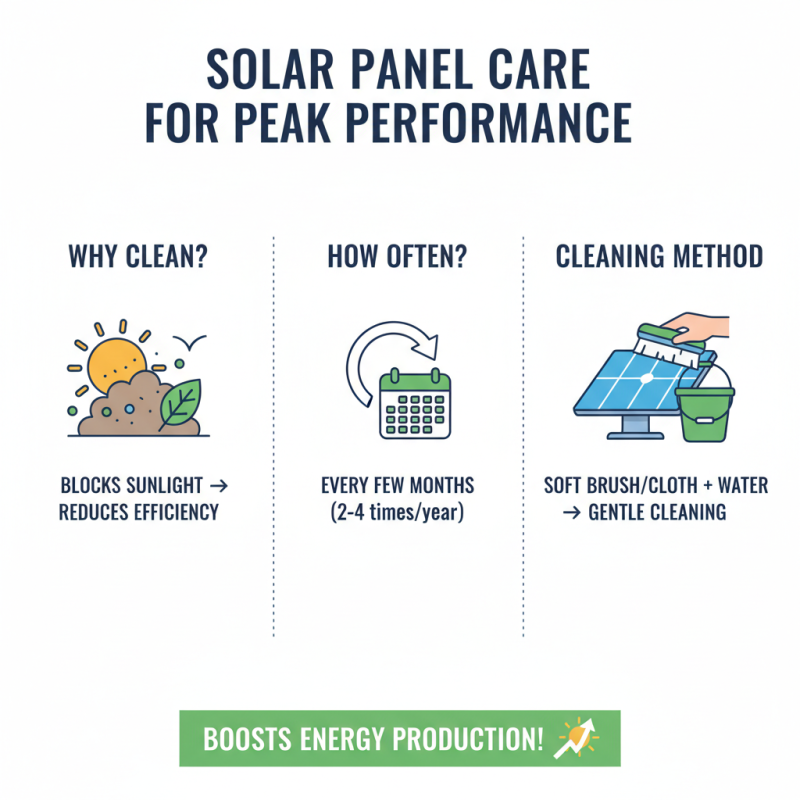
Regular maintenance of solar panels is essential for optimal performance. Start by cleaning the panels every few months. Dust, leaves, and bird droppings can block sunlight. Use a soft brush or cloth for gentle cleaning. This simple task can enhance efficiency significantly.

Another tip is to monitor your energy output. Check the readings monthly. If there are large fluctuations, it could indicate a problem. Be aware of shading. Trees or buildings can impact performance. Trim overhanging branches to ensure maximum sunlight exposure.

Lastly, inspect the wiring and connections. Look for wear or damage. Faulty wiring can lead to decreased efficiency. Seek professional help if needed, but remember to be attentive to the system’s overall condition. Regular care can make a difference.