Top 10 Solar Project Ideas for Sustainable Energy Solutions?
As the world shifts towards sustainable energy solutions, innovative solar project ideas are essential. Renowned solar expert Dr. Emily Hartman states, "The future of energy lies in harnessing the sun." This perspective highlights the urgency and potential behind solar projects. Creative concepts can transform communities and reduce carbon footprints.
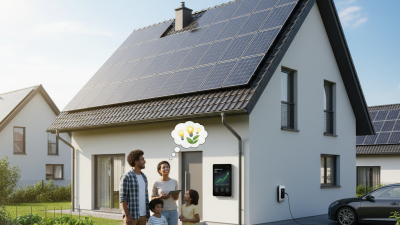
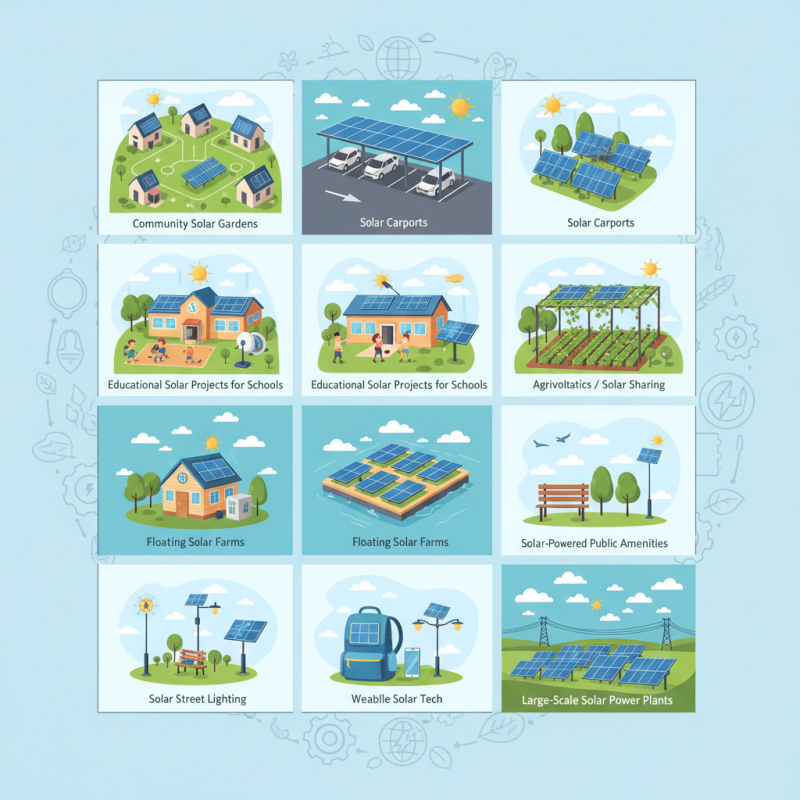
Consider community solar gardens. They allow multiple households to share a single solar project. Urban areas could benefit from solar carports. These not only provide shade but also generate energy. Schools can initiate educational solar projects, teaching students about renewable energy. Each idea has practical applications and the power to inspire.
However, challenges remain. Funding and regulatory barriers often hinder progress. Some solar projects lack public awareness and support. It’s crucial to address these issues while fostering innovation. Engaging local stakeholders can help ensure that solar initiatives thrive. The journey toward sustainable energy is ongoing, but with dedication, solar projects can pave the way for a cleaner future.
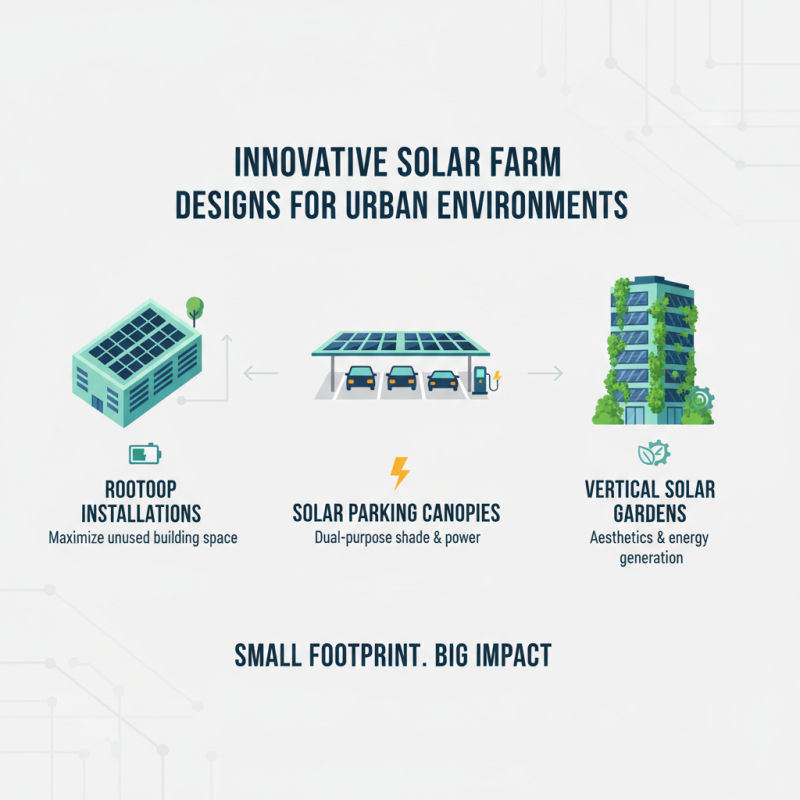
Innovative Solar Farm Designs for Urban Environments
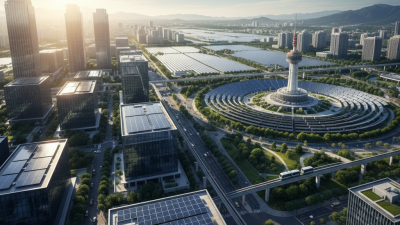
Urban environments often struggle with space. Yet, solar energy solutions can thrive on rooftops, parking lots, and even walls. Designing innovative solar farms in cities requires creativity. Vertical solar gardens can transform empty lots into vibrant energy sources, all while enhancing aesthetics.
Integrating solar panels into existing structures needs careful planning. Often, urban areas lack the optimal angle for sunlight. This can reduce efficiency and raise concerns. However, angled panels can mitigate this issue, ensuring a better capture of sunlight. Using reflective materials can also maximize energy absorption, but this requires testing.
Community involvement is crucial in these projects. Residents must see benefits to support solar agriculture. Educating the public about energy savings can help. Yet, feedback is essential. Some residents may worry about visual impacts. Addressing these concerns is vital for successful implementation.
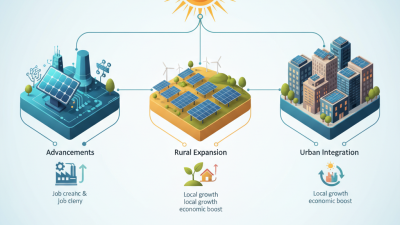
Community-Based Solar Initiatives for Rural Development
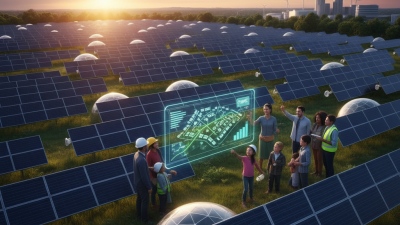
Community-based solar initiatives have emerged as a crucial approach to drive rural development. These projects utilize local resources and labor, enhancing community engagement. According to a report by the International Renewable Energy Agency (IRENA), decentralized solar projects can provide electricity to over 1.1 billion people without access to reliable energy. This shift holds immense potential for rural areas.
Implementing solar gardens or shared solar systems can significantly reduce energy costs. Community members can invest in these systems collectively, sharing both the benefits and responsibilities. Data from the U.S. Department of Energy suggests that community solar projects could save participants around 10% on energy bills. However, challenges remain. Access to financing can be difficult for many rural residents, and the initial setup costs can deter participation.
Additionally, education about solar technology is vital. Some community members may lack the knowledge to understand solar energy systems. Workshops and training programs are necessary to bridge this gap. Without proper education, the community may struggle to maintain the systems after installation. This reflects the need for continuous support and reflection on community engagement strategies, ensuring long-term sustainability.
Solar-Powered Water Purification Systems for Basic Needs
Solar-powered water purification systems present a promising solution for communities lacking clean drinking water. These systems harness sunlight to activate filters and purifying agents, making contaminated water safe for consumption. They can be designed using simple, locally available materials, emphasizing the importance of sustainability at the grassroots level.
However, there are challenges. Ensuring reliable performance in areas with limited sunlight can be difficult. Maintenance of these systems is often overlooked; complexities can arise from repair issues. Community education about operation and troubleshooting is crucial. Despite the obstacles, the benefits of solar-powered purification are immense.
By implementing these systems, we provide basic needs to underserved populations. They not only improve health outcomes but also empower communities to take charge of their water resources. Encouraging local innovations and adapting existing ideas can lead to meaningful change, even if perfection feels elusive.
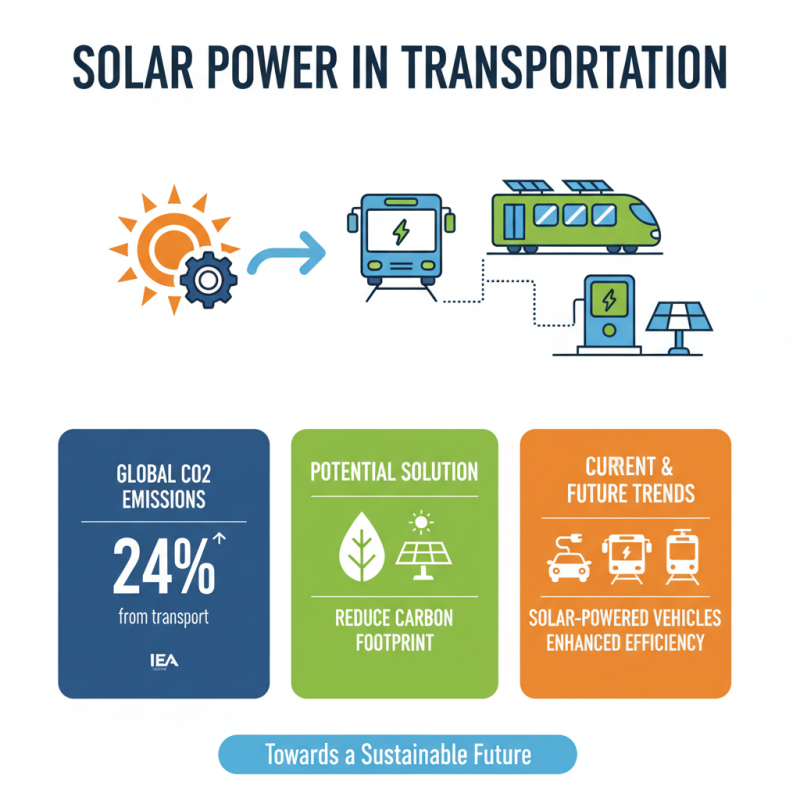
Integrating Solar Technology in Transportation Systems
Integrating solar technology into transportation systems presents exciting possibilities for sustainable energy solutions. The International Energy Agency (IEA) notes that transport accounts for nearly 24% of global CO2 emissions. By leveraging solar power, we can significantly reduce this impact. Solar-powered vehicles are emerging, but the technology is still evolving. Many electric buses and trains can utilize solar panels, which enhance their efficiency.
In cities, solar-powered charging stations are becoming vital. According to a report by Renewable Energy World, these stations can lower energy costs by 30%. However, the integration process lacks uniform standards. Some regions struggle with infrastructure and high initial costs. Not all vehicles can support solar technology just yet. Despite the challenges, the shift toward solar integration can reshape urban mobility.
Public awareness remains a hurdle as well. Many people are still unaware of solar transport options. Reports suggest that only 15% of consumers consider solar-powered vehicles when choosing transport. Educating the public is crucial. Improving outreach programs can help bridge this gap. Each step toward solar integration in transport systems might face resistance but is essential for a greener future.
Solar Energy Solutions for Disaster Relief and Emergency Response
The importance of solar energy in disaster relief cannot be overstated. According to a 2021 report from the International Renewable Energy Agency (IRENA), solar power can restore energy access for communities in crisis. After a natural disaster, these areas often face prolonged outages. Solar projects can provide immediate relief.
Portable solar solutions offer a quick response. They can be deployed rapidly in affected areas. In 2020, more than 50 million people were impacted by climate-related disasters. Instant access to solar energy could empower emergency responders. Solar-powered lights can illuminate shelters, ensuring safety at night.
Recent evaluations showed that solar energy systems could be established in just days, compared to weeks or months for traditional power infrastructure. However, there are challenges. Equipment durability and maintenance must be addressed. Ensuring sustainability in these projects is key. Solar energy brings hope but requires careful planning for long-term benefit.
Top 10 Solar Project Ideas for Sustainable Energy Solutions
| Project Idea |
Target Area |
Implementation Duration |
Estimated Cost |
Potential Benefits |
| Solar Water Purification |
Disaster-Affected Areas |
1-2 Months |
$5000 |
Access to clean drinking water |
| Mobile Solar Charging Stations |
Emergency Response Teams |
2 Months |
$20000 |
Charging for medical equipment and communication devices |
| Solar-Powered LED Lighting |
Temporary Shelters |
3 Weeks |
$10000 |
Improved safety and visibility at night |
| Solar Desalination Units |
Coastal Disaster Areas |
6 Months |
$15000 |
Access to potable water from seawater |
| Portable Solar Generators |
Isolated Communities |
1 Month |
$3000 |
Reliable power supply for emergency needs |
| Community Solar Projects |
Rural Areas |
1 Year |
$50000 |
Energy access for underserved populations |
| Floating Solar Farms |
Flood-Prone Areas |
1-2 Years |
$200000 |
Utilization of water surfaces for energy production |
| Solar Cooking Solutions |
Crisis Regions |
1 Month |
$2000 |
Reduced fuel dependency and emissions |
| Solar-Powered Refrigeration |
Healthcare Facilities |
3 Months |
$15000 |
Preservation of medical supplies |
| Integrated Solar Agriculture Systems |
Farming Communities |
1 Year |
$80000 |
Sustainable food production and energy use |