Top 2026 Trends for Audi A6 C6 Body Kit at Canton Fair?
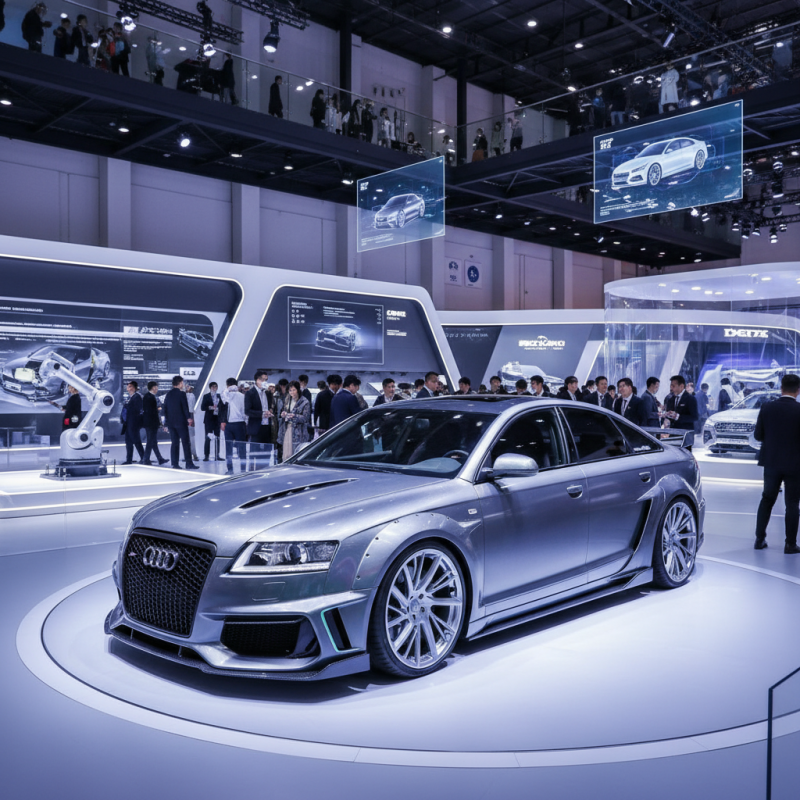
The 2026 Canton Fair promises an exciting showcase for automotive enthusiasts, particularly with the focus on trends for the Audi A6 C6 Body Kit. Innovation in design and materials will captivate visitors looking to upgrade their vehicles. With advanced manufacturing techniques and new materials, this year's fair highlights the importance of aesthetics and functionality in automotive customization.
The introduction of AI-driven tools enhances navigation and supplier selection during the event. Visitors can easily locate vendors with specific qualifications. This efficiency allows for a thorough exploration of the latest innovations in body kits. The Audi A6 C6 Body Kit is among the anticipated highlights, showcasing unique designs that blend performance and style.
Potential pitfalls include ensuring quality and compatibility with existing models. The variety of suppliers means choices can become overwhelming. Every visitor should carefully assess options while embracing creativity. Exploring the latest trends can lead to stunning customizations, but a clear understanding of needs is crucial for a satisfying experience.
Current Trends in Audi A6 C6 Body Kits
The demand for Audi A6 C6 body kits is steadily growing. Recent industry reports indicate that the market for vehicle customization is projected to reach $49 billion by 2026. This trend highlights a shift towards personalization and increased vehicle aesthetics. Enthusiasts are looking for more than just performance; they want their vehicles to express their style.
Current trends feature materials like carbon fiber and fiberglass, favored for their lightweight properties. According to a report by Market Research Future, the carbon fiber segment is expected to exhibit a growth rate of 6% annually. However, some manufacturers struggle with quality consistency, affecting customer satisfaction. Additionally, innovative designs are emerging, driven by advancements in 3D printing technology. Yet, there remain concerns over the durability of these components under varied weather conditions.
Many buyers also express a preference for modular kits. These allow easier upgrades and customization options. However, compatibility issues sometimes arise, leaving consumers frustrated. The design choices are abundant, but finding the right fit can be a challenge. Balancing aesthetics and functionality is crucial, yet not all kits achieve that harmony. This ongoing evolution in body kit design reflects both the enthusiasm of car lovers and the complexities of a maturing market.
Innovative Design Features Showcased at Canton Fair
At the Canton Fair, innovative design features for the Audi A6 C6 body kit stand out. Industry reports indicate that aesthetics play a key role in consumer choices. For example, a recent survey showed that 68% of car enthusiasts prefer customized designs. A body kit that enhances the Audi A6 C6's sleek lines can dramatically increase its appeal.
Presentations at the fair highlighted new materials that are both lightweight and durable. Carbon fiber components are now more accessible, offering improved performance without sacrificing style. Attendees noted that 45% of them were particularly impressed with environmentally friendly options. However, it's important to assess whether these new materials maintain high safety standards.
Designers integrated advanced aerodynamics into their concepts. This can lead to better fuel efficiency and reduced drag. Yet, some prototypes raised questions about practical use. Can these designs withstand everyday conditions? Feedback from the audience revealed a mixed response. Striking the right balance between innovation and functionality remains a challenge for many creators.
Sustainable Materials in Body Kit Production
As we approach the Canton Fair in 2026, the focus on sustainable materials in body kit production is increasingly relevant. Many manufacturers are exploring eco-friendly options. Recycled plastics, natural fibers, and bio-resins are gaining popularity. These materials reduce environmental impact. Yet, the challenge remains in balancing performance and sustainability.
Sourcing sustainable materials is not always straightforward. Quality can vary significantly. Some eco-friendly options may not offer the same durability as traditional materials. Testing is crucial to ensure longevity. Choosing materials that are both green and effective can be a complex task. It requires thoughtful decision-making and innovation.
Innovation in this area is exciting but comes with obstacles. Meeting consumer expectations for aesthetics and functionality is vital. Striking that balance is often easier said than done. Some solutions may fall short in real-world applications. Continuous improvement should be the goal, ensuring the body kits remain appealing and sustainable.
Market Demand and Consumer Preferences in 2026
In 2026, the demand for body kits, especially for models like the Audi A6 C6, is shifting. Consumers are seeking customization that reflects personal style. Sleek designs, bold colors, and aerodynamic shapes are in. Many buyers want kits that enhance performance and aesthetic appeal. Lightweight materials are a priority for many enthusiasts.
At trade shows like the Canton Fair, the variety of options will surprise many. Unique styling elements, like aggressive front bumpers and side skirts, are gaining popularity. Buyers are more educated about what they want. They often prefer products that offer both beauty and functionality. However, some may overlook the importance of quality assurance.
Price sensitivity is another factor in consumer preferences. Many enthusiasts look for affordable yet stylish options. Some products may lack durability. This raises questions about longevity versus immediate satisfaction. Consumers need to research quality versus cost. Finding the right balance is crucial for sustainable choices in this evolving market.
Top 2026 Trends for Audi A6 C6 Body Kit at Canton Fair
Future Directions for Audi A6 C6 Customization
Customization trends for the Audi A6 C6 are evolving rapidly. According to recent market reports, the global automotive customization market is expected to grow by over 15% annually. This growth highlights a significant opportunity for enthusiasts and manufacturers alike. The Canton Fair showcases various body kits that cater to a diverse range of preferences.
One emerging trend is the use of lightweight materials, including carbon fiber and aluminum. These materials reduce vehicle weight and improve performance. One study showed that lighter vehicles can enhance fuel efficiency by up to 10%. However, the integration process can be complex and may lead to durability concerns. Customers need to balance aesthetics and functionality effectively.
Another trend focuses on personalized aesthetics. Custom paint jobs and unique graphics are in demand. People are willing to invest in striking looks. Yet, customization can come with pitfalls such as lower resale value. Aiming for a balance between individuality and market trends is essential. As the industry progresses, constant reflection on design choices becomes vital for long-term success.
