Top Solar Project Trends You Should Know About?
In recent years, the solar project industry has witnessed remarkable growth. Experts highlight key trends shaping its future. John Smith, a renowned solar project analyst, recently stated, "Innovation in solar technology is vital for sustainable growth." His insights emphasize the importance of adapting to the evolving landscape.
Solar projects are becoming more efficient and affordable. As technology advances, the cost of solar panels continues to drop. This trend opens doors for widespread adoption. However, challenges remain. Not every project meets expectations. Some initiatives fall short, prompting industry leaders to reflect on their strategies.
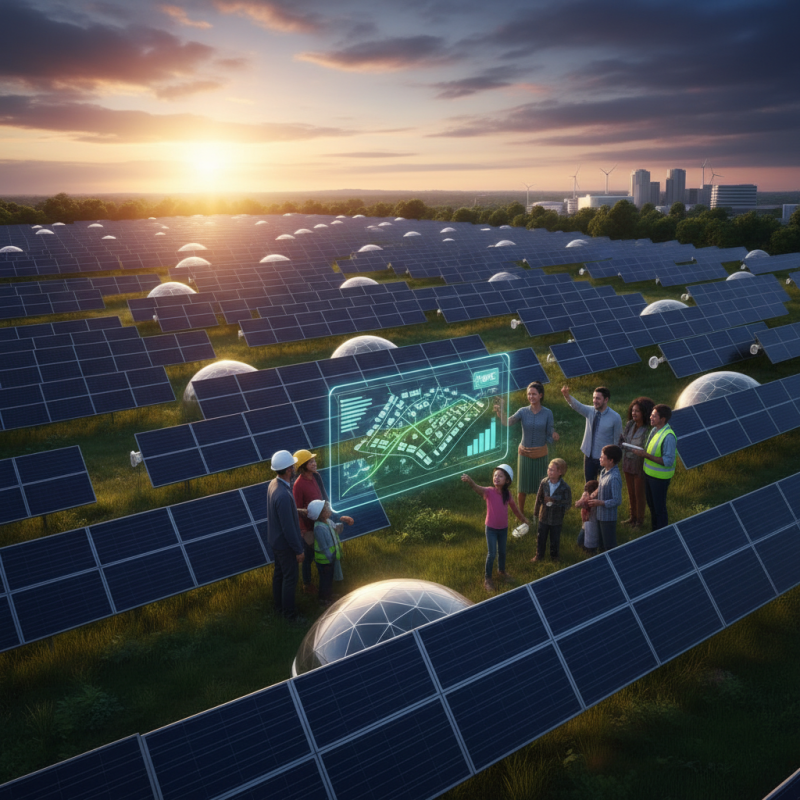
The shift towards sustainability often leads to unexpected results. Community involvement is crucial, yet sometimes overlooked. Stakeholders must engage local populations to ensure success. Ignoring this aspect can hinder the impact of solar projects. Overall, the solar project sector is dynamic and full of potential. Understanding these trends is essential for anyone involved in this field.
Emerging Technologies in Solar Energy Systems
Solar energy systems are evolving rapidly. Emerging technologies are shaping how we harness sunlight. Advanced photovoltaic cells are at the forefront. These cells convert sunlight into electricity more efficiently. New materials are being developed for better absorption.
Energy storage is also improving. Battery technologies are becoming more effective and affordable. They allow us to store energy for later use. Innovations like solid-state batteries promise greater safety and longevity. Additionally, smart inverters optimize energy distribution. They enhance system performance and grid reliability.
However, challenges remain. Integration of these technologies can be complex. Not all regions have the infrastructure to support advancements. The cost of installing new systems can be prohibitive. Education and awareness need improvement. As solar technology continues to grow, so must our understanding of its limitations.
Market Growth Trends in Solar Power Projects
The solar power industry is experiencing remarkable growth. Many regions are investing heavily in renewable energy sources. This shift is driven by the increasing demand for clean energy solutions. Solar projects are becoming more common across urban and rural landscapes. With advancements in technology, costs are decreasing. Accessibility to solar energy systems is improving consistently.
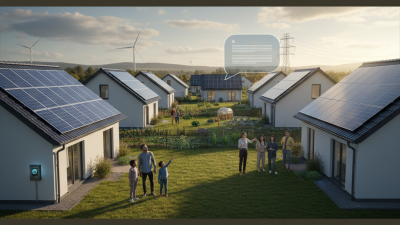
Additionally, there’s a significant interest in community solar initiatives. These projects allow multiple households to benefit from one solar installation. More people are starting to recognize the benefits of shared systems. However, challenges remain in project financing and regulatory hurdles. Some areas still struggle with outdated policies that hamper growth.
Investors are increasingly drawn to solar projects, but risks remain. Market fluctuations and supply chain issues often affect project timelines. Companies may face challenges in securing permits. As the industry evolves, adaptability will be crucial for success. Observing these trends can offer insights into the future landscape of solar energy projects.
Top Solar Project Trends You Should Know About
This chart illustrates the growth trends in solar power projects over the last five years, highlighting the increase in installed capacity and investment in solar technologies.
Innovative Financing Models for Solar Installations
Innovative financing models are transforming solar installations. These approaches make solar energy more accessible and affordable. According to a recent report from the International Renewable Energy Agency, investments in solar energy grew by over 20% in the last year alone. This trend indicates a rising interest in renewable energy solutions.
One popular model is the Power Purchase Agreement (PPA). In a PPA, a third party finances the solar system. The host pays for the energy produced at a set rate. The host often benefits without initial capital costs. This model lowers the barrier to entry for businesses and homeowners. However, understanding the long-term costs and conditions can be challenging.
Another emerging trend is community solar projects. These allow multiple participants to share the benefits of a single solar installation. A report from the Solar Energy Industries Association highlights that community solar projects grew by 28% last year. Despite their promise, many developers face regulatory hurdles. Delays in execution can discourage potential participants, leaving untapped opportunities.
Top Solar Project Trends You Should Know About - Innovative Financing Models for Solar Installations
| Trend |
Description |
Financing Model |
Expected Growth Rate |
| Community Solar |
Shared solar projects enabling participation from multiple stakeholders. |
Subscription-based financing |
15% annually |
| Power Purchase Agreements (PPAs) |
Long-term contracts for purchasing solar energy at set rates. |
Fixed-rate financing |
20% annually |
| Green Bonds |
Investment vehicles to fund projects with environmental benefits. |
Bond issuance |
10% annually |
| Crowdfunding |
Raising funds through small contributions from many people. |
Equity crowdfunding |
25% annually |
| Tax Equity Financing |
Investments that take advantage of tax benefits related to solar projects. |
Tax equity partnerships |
12% annually |
Government Policies Impacting Solar Energy Development
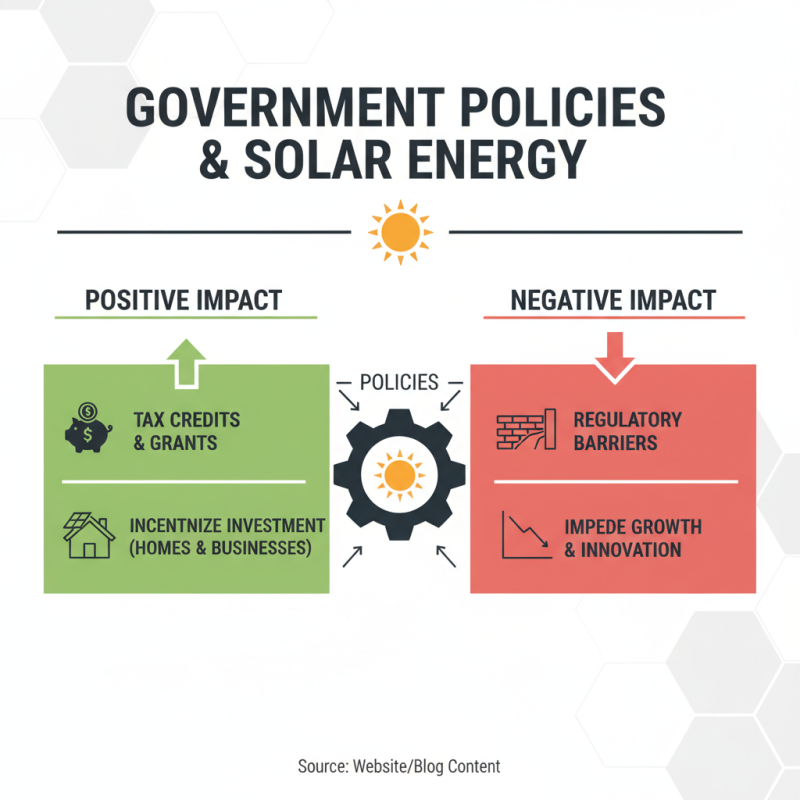
Government policies play a crucial role in shaping solar energy development. In many regions, incentives such as tax credits and grants create a favorable environment for investment. These measures encourage both businesses and homeowners to embrace solar technologies. However, not all policies are beneficial. Some regulations may create barriers to entry, hindering potential growth.
The transition to solar energy is often influenced by local government decisions. For instance, zoning laws can either facilitate or obstruct solar installations. Communities with stringent restrictions may see slower adoption rates. In contrast, supportive policies can lead to increased installations and efficiency improvements across the board. Unfortunately, some policy frameworks remain outdated, requiring a reevaluation of their impact on solar growth.
Moreover, government initiatives vary widely across different regions. While some areas thrive under progressive policies, others struggle due to conflicting regulations. A more cohesive approach could help streamline the process. This would ultimately benefit consumers and the environment. As governments reconsider their roles, the future of solar energy hangs in the balance.
Sustainability Practices in Solar Project Implementation
Sustainability practices play a vital role in solar project implementation. A recent report from the International Renewable Energy Agency (IRENA) states that solar energy could generate 24% of the world's electricity by 2030. This growth demands a strong focus on sustainable practices.
Many projects now aim for zero waste during construction. This involves careful planning to minimize excess materials. Yet, improper waste management can lead to significant environmental harm. For instance, some sites still report up to 30% waste generated from installation processes.
Additionally, the use of sustainable materials is gaining traction. A survey revealed that 78% of developers prefer eco-friendly materials, yet challenges remain in sourcing. Many companies struggle to balance cost and sustainability. With demand increasing, the industry needs stronger collaboration to achieve meaningful progress. There is much work ahead to truly embody sustainability in every project aspect.