Why Does Solar Work for Global Buyers?
Why Does Solar Work for Global Buyers?
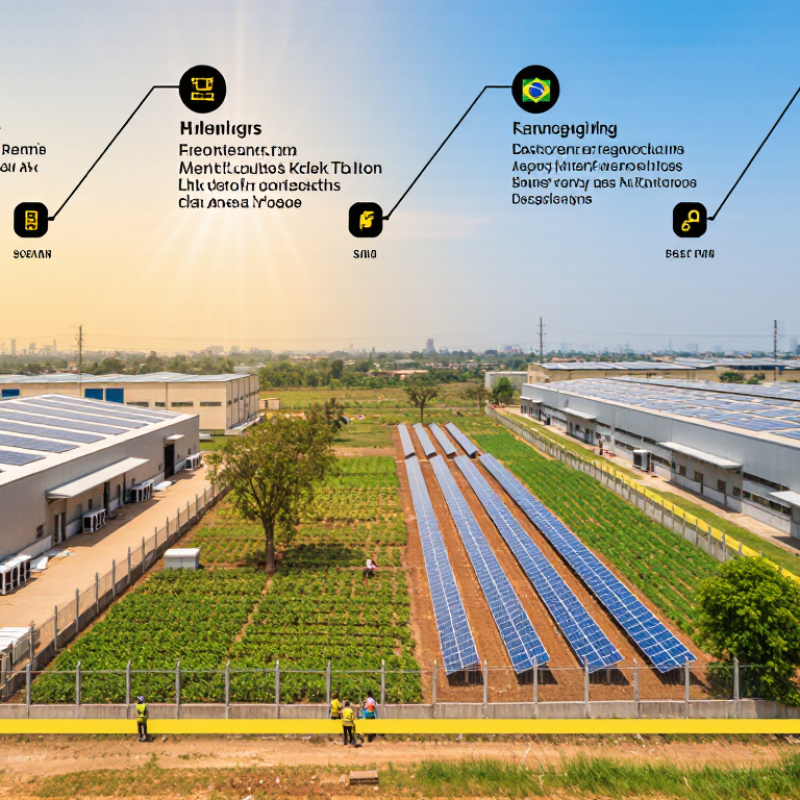
For buyers across continents, solar work is no longer a distant promise. It is a practical energy choice shaped by rising electricity costs, reliable technology, and growing climate awareness. A warehouse in Spain, a farm in Kenya, or a factory in Brazil may use different systems, yet each can benefit from sunlight converted into usable power. The strongest projects begin with local facts, not attractive sales claims. Roof direction, seasonal weather, grid stability, and daily energy demand all influence the final result.
Experienced buyers usually examine more than panel efficiency. They review product certifications, supplier records, warranty terms, inverter quality, and after-sales support. A panel may perform well in a laboratory, but real dust, heat, humidity, and shading can reduce output. Site inspections and independent technical advice help expose these differences. Reliable suppliers also explain shipping schedules, installation requirements, replacement parts, and expected maintenance. That level of detail builds trust.
Still, solar is not a perfect answer everywhere. Initial investment can feel heavy, especially for smaller businesses. Batteries may add cost and complexity. Poor installation can create disappointing results. These limitations deserve honest discussion. In some regions, financing, local regulations, and grid access may matter more than panel specifications. Global buyers therefore need evidence, not exaggerated certainty. When equipment quality, professional design, and realistic expectations meet, solar can support long-term savings and stronger energy resilience. The question is not simply whether sunlight exists. It is whether the entire system is designed to work in that specific place.
What Solar Energy Is and How It Works
Why Does Solar Work for Global Buyers?
What Solar Energy Is and How It Works
Solar energy begins with sunlight, not heat. Photovoltaic cells absorb photons and release electrons, creating direct current electricity. An inverter converts this current into alternating current for household equipment or commercial systems. Extra power can charge batteries or flow into the local grid.
The science is global, but performance is highly local. Roof angle, shading, temperature, dust, and grid rules all affect output. The International Energy Agency reports that solar photovoltaic systems may provide about three-quarters of renewable capacity growth through 2028. Cost also matters. According to IRENA’s Renewable Power Generation Costs in 2023, utility-scale solar’s average electricity cost fell about 90% between 2010 and 2023, reaching roughly $0.044 per kilowatt-hour. These figures support solar’s appeal, but they do not guarantee identical savings everywhere. My first design assumption might be wrong if seasonal clouds or weak grid infrastructure are ignored.
Tips: Check twelve months of local sunlight data before selecting system size. Measure midday shadows, not just roof area. Ask for expected annual output, battery efficiency, maintenance needs, and degradation estimates. A system producing less power than promised can still look attractive on paper.
The National Renewable Energy Laboratory explains that solar modules gradually lose output over time. Inverters may also need earlier replacement. Buyers should compare lifecycle costs, warranties, installation quality, and energy tariffs. Solar works best when engineering evidence meets realistic daily habits, including evening demand and cloudy-day planning.
Why Solar Power Appeals to Buyers in Different Countries
Why Does Solar Work for Global Buyers?
Solar power appeals to buyers in different countries because sunlight is widely available, while fuel prices can change suddenly. A home in Spain, a clinic in Kenya, or a workshop in Australia may use different equipment. The basic benefit remains similar: local electricity from a renewable source. Rooftop panels can also reduce daytime grid demand. That matters where power outages or high tariffs affect daily work.
Global buyers usually examine more than panel output. They check roof strength, seasonal sunlight, dust levels, wind exposure, and local electrical rules. In coastal regions, corrosion resistance deserves attention. In dry areas, cleaning access can influence long-term production. A practical assessment should include a year of expected sunlight, not only a perfect summer day. Small details matter.
Solar is not effortless. Battery replacement, inverter servicing, and recycling plans can change the real cost. Buyers should request clear warranties, safety documents, installation records, and performance assumptions. Independent testing standards offer useful evidence, but they do not remove every risk. A system designed for one climate may perform poorly elsewhere. That is an easy mistake to make. Experienced installers compare local conditions with measured data before recommending capacity. They also explain what happens during cloudy weeks, grid failures, and future equipment upgrades. Good advice may sound less exciting, but it is usually more reliable.
How Solar Systems Reduce Energy Costs and Emissions
Solar systems reduce energy costs by producing electricity near the point of use. A warehouse roof can generate power during daytime operating hours, when cooling, lighting, and machinery often create the highest demand. IRENA’s Renewable Power Generation Costs in 2023 reported a global weighted-average utility-scale solar PV cost of about $0.044 per kilowatt-hour. Solar PV costs also fell approximately 90% between 2010 and 2023. These figures explain why solar attracts buyers across markets with different electricity prices.
The emissions benefit is substantial.
The IPCC estimates lifecycle emissions at about 48 grams of CO2-equivalent per kilowatt-hour for solar power. Coal produces roughly 820 grams, while natural gas produces about 490 grams. Less grid electricity means fewer fossil-fuel emissions from each facility. The result is visible: more panels on a factory roof, fewer smoky generators nearby. Yet savings are not automatic. Poor roof orientation, shading, weak maintenance, or complicated tariffs can reduce actual returns.
Battery storage can shift solar power into evening hours, but it adds cost, material demand, and replacement questions. A buyer should examine local irradiance, load profiles, degradation rates, insurance, recycling arrangements, and grid rules. Annual production estimates can look precise. They are still estimates. Weather varies, and forecasts sometimes disappoint. Professional energy audits and independent monitoring make investment decisions more reliable. According to the IEA, solar PV remains one of the fastest-growing sources of new global power capacity, but responsible deployment requires both financial discipline and environmental measurement.
Key Factors Shaping Global Solar Market Demand
Why Does Solar Work for Global Buyers?
Global solar demand is shaped by economics, security, and practicality. Solar modules can be installed on rooftops, warehouses, farmland, and remote sites. This flexibility helps buyers reduce grid dependence and manage rising electricity demand. The IEA’s Renewables 2024 report expects renewable capacity to expand by 5,500 GW between 2024 and 2030. Solar supplies most of that growth. That matters.
Cost remains a powerful driver. Solar has no fuel bill after installation, although financing, land, storage, and grid connection can change project economics. IRENA’s Renewable Power Generation Costs in 2023 reported that utility-scale solar costs fell sharply over the past decade. However, equipment prices alone do not define value. A low-cost system may perform poorly if maintenance access, local weather, or transmission capacity is overlooked. Costs still vary.
Energy security also influences purchasing decisions. Import-dependent markets increasingly value domestic generation and diversified electricity supplies. The IEA Photovoltaic Power Systems Programme estimated global solar additions at about 456 gigawatts in 2023, while IRENA reported a lower figure using different accounting methods. These numbers are not perfectly comparable. Still, both show extraordinary expansion. Policy support, shorter construction times, and corporate electricity targets reinforce demand. Grid congestion remains a serious weakness. Buyers must examine degradation rates, permitting delays, storage needs, and local installation skills before trusting attractive forecasts.
Why Does Solar Work for Global Buyers?
Key Factors Shaping Global Solar Market Demand
Global solar PV capacity additions increased from approximately 97.8 GW in 2019 to 345.5 GW in 2023. This expansion reflects falling technology costs, strong policy support, improved energy security, growing electricity demand, and the scalability of solar projects across different markets.
Data source: International Renewable Energy Agency (IRENA), Renewable Capacity Statistics 2024. Values represent estimated global annual solar photovoltaic capacity additions.