10 Best Solar Energy Systems for Global Buyers

Choosing among the 10 Best Solar Energy Systems for Global Buyers requires more than comparing panel prices. A reliable solar energy system must match local sunlight, roof structure, electricity rules, and household demand. A compact apartment in London needs a different design from a farm in Kenya or a villa in Australia.

Performance begins with practical details. Check panel efficiency, inverter quality, battery chemistry, monitoring tools, and expected degradation. Also examine installation records, product certifications, warranty terms, and replacement support in your country. A strong warranty means little if the supplier cannot provide service locally.

Real roofs differ.

Experienced installers usually assess shading throughout the day, not only at noon. They also review cable routes, ventilation, roof age, and backup requirements before recommending equipment. These checks help prevent expensive surprises, especially when batteries or grid connections are involved.

This guide compares ten systems through a buyer-focused lens. It considers energy output, storage flexibility, safety features, maintenance needs, and long-term value. Independent testing and manufacturer documentation can improve confidence, but neither replaces a site survey. Some cost estimates will remain imperfect because labor, taxes, financing, and grid policies vary widely.

That uncertainty matters. A premium system may not deliver the best return in every market. Likewise, the cheapest package may create higher maintenance costs later. Buyers should request written proposals, confirm installer credentials, and calculate expected savings under realistic weather conditions. The strongest choice is usually the system that performs consistently, receives dependable support, and fits the property’s actual energy habits.
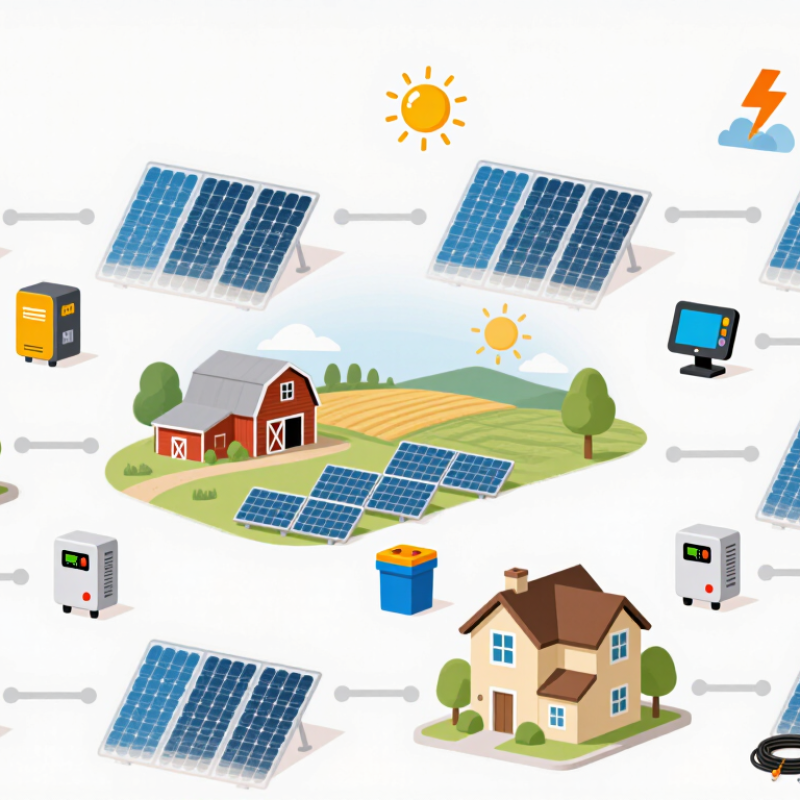
10 Best Solar Energy Systems for Global Buyers

Solar Energy Systems: Types, Components, and Operating Principles

Solar Energy Systems: Types, Components, and Operating Principles

Solar energy systems convert sunlight into usable electricity through photovoltaic modules. Grid-tied systems send excess power to the utility network, while off-grid systems rely on batteries for independent operation. Hybrid systems combine both approaches and can maintain essential loads during outages. The choice depends on local sunlight, grid reliability, roof space, and daily consumption.

A typical system includes PV modules, mounting rails, DC cables, an inverter, protection devices, meters, and sometimes a battery. The modules produce direct current when photons move electrons inside semiconductor cells. The inverter changes this electricity into alternating current for household appliances.

A charge controller manages battery charging in off-grid designs. At noon, a well-positioned array may power a refrigerator, pump, and lights together. Real sites are less tidy.

The International Energy Agency’s Renewables 2024 report expects solar PV to provide most new renewable capacity through 2030. IRENA reported about 1,419 gigawatts of global solar capacity at the end of 2023. These figures show rapid expansion, but they do not guarantee equal performance everywhere. Dust, shade, heat, weak wiring, and poor maintenance can reduce output. A basic annual yield estimate can still mislead. Professional assessments should include solar irradiation data, roof loading, battery cycling, safety protection, and local electrical rules. Clear monitoring is equally important, because a small drop in daily production may reveal a larger fault.

How to Compare the 10 Best Solar Energy Systems

How to Compare the 10 Best Solar Energy Systems

Comparing ten solar energy systems requires more than checking panel efficiency. Start with annual yield, measured in kilowatt-hours per installed kilowatt.

The International Renewable Energy Agency reported 1,419 GW of global solar capacity at the end of 2023, with 345.5 GW added that year. This growth makes quality control more important, not less.

Ask for P50 and P90 production estimates, then compare them with local sunlight, roof angle, shading, and temperature. A system producing well on paper may disappoint beside a dusty chimney.

Check the complete system, not only the modules.

Review inverter efficiency, battery round-trip efficiency, degradation rates, fire protection, monitoring, and replacement access.

The International Energy Agency notes that solar PV has become one of the lowest-cost electricity sources in many markets, but financing, grid connection, and installation still shape final costs.

Request a line-item quotation.

Include permits, transport, labor, maintenance, and recycling.

Warranty language deserves careful reading.

A long performance warranty is useful only when claims, service locations, and response times are clear. The International Electrotechnical Commission standards help verify testing, yet certification does not guarantee perfect field performance.

I have seen estimates ignore winter snow and inverter downtime. That is a costly omission.

Compare lifecycle cost per delivered kilowatt-hour, expected service life, local technician availability, and the system’s behavior during heat waves. The cheapest option may be reasonable, but only after its assumptions survive independent review.

Key Factors for Global Solar System Selection

Choosing among the 10 best solar energy systems requires more than comparing panel wattage. The International Renewable Energy Agency’s Renewable Capacity Statistics 2024 reports that global solar capacity reached about 1,419 GW by the end of 2023. This scale shows strong momentum, but it does not guarantee a suitable installation for every buyer. Start with local sunlight, roof direction, seasonal temperatures, electricity prices, and daily consumption. A tropical home may need heat-resistant components, while an off-grid farm needs larger batteries and backup planning. Grid frequency, voltage, safety certification, and installer capability also matter.

Tips: Request a 12-month energy simulation, not a simple annual estimate. Check battery usable capacity, warranty conditions, replacement access, and degradation assumptions. The National Renewable Energy Laboratory has reported a median photovoltaic degradation rate near 0.5% annually. Small differences become significant over twenty years.

Cost remains important, but the cheapest quotation can hide weaker mounting hardware, limited monitoring, or difficult maintenance. Compare total cost per usable kilowatt-hour, including installation, storage, insurance, and eventual component replacement. I often see buyers focus on peak output and overlook afternoon shading. That is a costly mistake. A system producing slightly less at noon may perform better across the full day. No ranking is universally correct. Local data is still imperfect, and forecasts can miss dust, storms, or changing household demand. Reliable selection combines measured conditions, documented testing, transparent contracts, and a realistic view of future electricity use.

10 Best Solar Energy Systems for Global Buyers

Typical design life of widely used solar energy system configurations

Design life is an indicative industry range and varies with climate, component quality, maintenance, installation standards, and local operating conditions. Global buyers should also compare solar resource, electricity demand, battery requirements, grid reliability, roof or land availability, local regulations, and total lifecycle cost before selecting a system.

Installation, Maintenance, and Performance Considerations

10 Best Solar Energy Systems for Global Buyers

Installation, Maintenance, and Performance Considerations

Choosing among ten solar system designs requires more than comparing panel output. Installation conditions often decide long-term performance. A rooftop system needs a structural inspection, safe access, and accurate shade measurements. Ground-mounted systems require drainage planning and protection from animals or flooding. In regions with unstable grids, hybrid systems can combine solar generation, batteries, and backup power. Off-grid designs need careful load calculations, especially for refrigeration, pumps, and evening lighting.

Qualified installers should follow local electrical codes and obtain required permits. Cable routes must avoid sharp bends, standing water, and excessive heat. In coastal areas, corrosion-resistant hardware matters. High-altitude sites may need different temperature and snow-load calculations. These details are easy to overlook. They still affect safety.

Maintenance is usually simple, but not effortless. Owners should inspect visible wiring, mounting points, and battery ventilation at least twice yearly. Dust, pollen, and bird deposits can reduce production, although frequent washing may waste water or damage surfaces. Remote monitoring helps identify sudden output losses, but sensors can fail. A monthly performance record is useful. Compare actual generation with weather-adjusted expectations, not ideal factory figures. In my view, many buyers underestimate future battery replacement and inverter servicing costs. A lower purchase price may become expensive when local technicians cannot source compatible parts. Performance also depends on seasonal sunlight, export rules, household habits, and honest installer documentation.

Costs, Regulations, and Future Trends in Solar Energy

For global buyers comparing the 10 best solar energy systems, cost means more than the panel price. A complete budget should include inverters, batteries, mounting, permits, installation, insurance, and future replacement. A 5-kilowatt rooftop system may cost far more in a remote region because shipping and labor increase the final bill. Battery storage also changes the payback period. Without storage, some households lose evening energy after sunset.

Regulations can decide whether a system works financially. Check building permits, electrical inspections, grid-connection rules, import duties, and local net-metering policies before signing a contract. Some regions limit exports to the grid. Others require certified installers or specific fire-safety distances. Rules can change after purchase, which is an uncomfortable risk. Ask for written compliance records and realistic production estimates, not optimistic sales figures. Future systems will likely combine solar, longer-life batteries, smart inverters, and software that balances household demand with grid prices. Recycling requirements may also affect ownership costs.

Tips: Compare total lifetime cost, not only the installation quote. Request at least three local estimates. Inspect warranty terms carefully. Confirm who handles permits. Use a weather-adjusted energy forecast. Leave space for battery maintenance. No forecast is perfect. Include a small financial reserve.