Why Choose Solar Power Systems for Your Business?
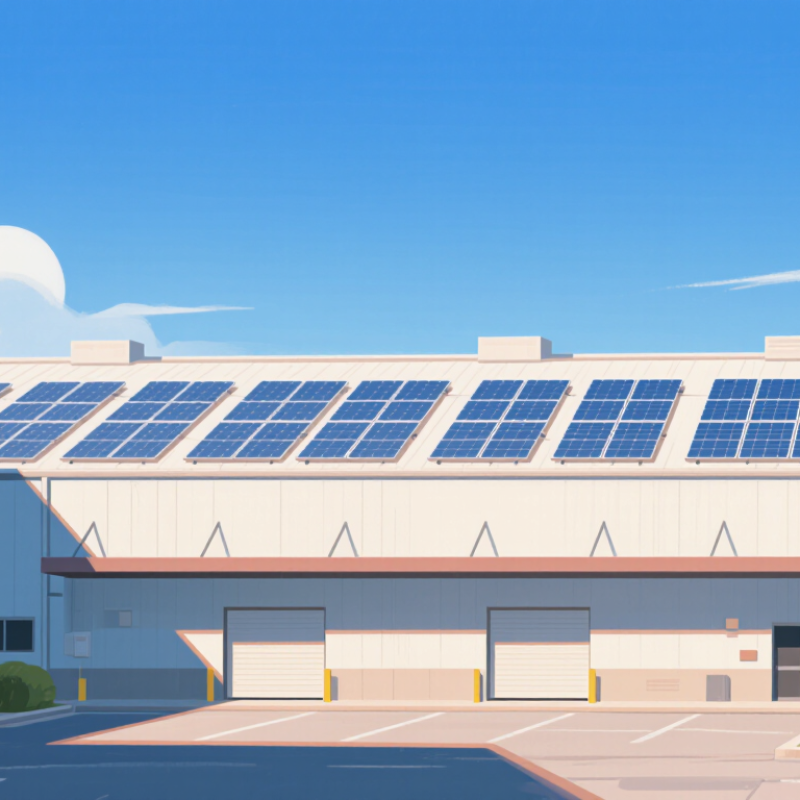
A warehouse roof catching strong midday sun can do more than shelter inventory; it can generate electricity where a business already operates. For many companies, solar power systems offer a way to reduce reliance on grid electricity and better understand long-term energy costs. Their value depends on practical details, including roof condition, shading, local utility rates, operating hours, and system design. A shaded section or an aging roof can change the calculation.
Energy expert and Rocky Mountain Institute co-founder Amory Lovins has said, “The cheapest energy is the energy you don’t use.” That reminder puts efficiency before equipment. A business that first checks lighting, insulation, and peak demand may need a smaller system. That matters. Solar panels can also support sustainability goals and, when paired with suitable storage, provide some backup during outages. But resilience is not automatic, and battery capacity adds cost.
A credible evaluation starts with actual electricity bills, site conditions, and clearly stated assumptions about future savings. Ask installers to explain expected production, maintenance needs, equipment warranties, and how estimates could change. Do not rely on a single headline payback figure. Results vary, and projections are not guarantees. For a small shop, a factory, or a multi-site company, the right choice is the one that fits its load and budget. Sometimes the answer is to wait, improve efficiency, or install a smaller system. That deserves honest consideration.
What Solar Power Systems Are and How They Work
A solar power system turns daylight into electricity through photovoltaic cells.
Sunlight excites electrons inside the cells, creating direct current, or DC. An inverter then converts DC into alternating current, which most business equipment uses. Panels sit on a roof or ground-mounted frame; cables, switches, and protective equipment connect them to the building’s electrical system. Simple, but not magic.
The IEA Photovoltaic Power Systems Programme’s Trends 2024 report estimates global solar photovoltaic capacity reached about 1.6 terawatts by the end of 2023. That scale reflects a technology used across many climates, though output still depends on sunlight, temperature, shading, and equipment design. At a business site, a rooftop vent can cast a narrow shadow across several modules. Small details matter. Battery storage can hold some surplus electricity for later use, while grid-connected systems can draw power when solar output falls. Without a battery, panels do not usually provide backup during an outage; that depends on system configuration. The U.S. National Renewable Energy Laboratory’s PVWatts tool estimates production using location, weather, and system inputs. Estimates are useful, not promises. Real roofs are messier than models. A site assessment should check roof condition, electrical loads, shading, and when the business uses power.
Key Benefits of Solar Energy for Business Operations
Solar energy can make business operating costs more predictable. A rooftop system converts sunlight into electricity while offices, workshops, or refrigeration units are running. On a clear afternoon, panels may help cover peak daytime demand, when air conditioning and equipment often use the most power. Actual savings depend on local sunlight, roof condition, energy rates, and how closely electricity use matches production.
Solar can also reduce exposure to changing grid prices. Businesses with suitable roofs may generate part of their own electricity and use less power from the grid. Battery storage can shift some solar energy into evening hours, though batteries add cost and require careful sizing. No system eliminates bills entirely. Seasonal weather, maintenance, and demand charges can affect results, so a site assessment and a review of past utility bills are practical starting points.
There are visible operational benefits, too. Panels can shade parts of a roof, potentially reducing heat gain, but the effect varies with building design. A well-planned installation may support sustainability reporting and give customers a concrete example of lower-carbon operations. Keep records. Track generation, downtime, and maintenance rather than relying on estimates alone. One detail is easy to overlook: older roofs may need repairs before installation, and replacing them later can complicate the project. Solar is not automatically the right fit, but measured against real consumption, it can be a useful long-term business asset.
Financial Factors: Costs, Savings, and Return on Investment
A commercial solar system is a major purchase, not an instant saving. Costs can include panels, inverters, electrical work, permits, and structural upgrades. A warehouse roof may need repairs before installation, adding expense that a simple online estimate can miss. Get a site-specific assessment.
The financial case depends on how much electricity your business uses while the sun is shining. A cold-storage facility running through the day may use more solar power directly than an office that empties at 5 p.m. Direct use can reduce purchased electricity; surplus power may be compensated differently depending on local utility arrangements. Check the details. Ask for projected output by month, not just an annual total, and compare it with your interval-meter data.
To estimate return on investment, compare the full installed cost with realistic yearly bill reductions and ongoing maintenance. For example, if a system costs $120,000 and is expected to lower annual energy bills by $20,000, a simple payback estimate is six years. That is only a starting point. Financing charges, changing tariffs, equipment downtime, and incentives can shift the result. I would treat optimistic production forecasts cautiously; clouds, dust, and shading are ordinary, not exceptional. Request conservative and expected scenarios, then test whether the project still makes sense under both.
Why Choose Solar Power Systems for Your Business?
Financial Factors: Costs, Savings, and Return on Investment
Illustrative commercial benchmark: a 100 kW rooftop solar system with an estimated installed cost of
$1.50 per watt, annual energy production of 130,000 kWh, electricity value of $0.15 per kWh,
annual operating and maintenance costs of $2,000, and 0.5% annual panel degradation.
The model indicates approximately $17,500 in first-year net savings, an estimated payback period of
8.6 years, and a 10-year return on investment of about 16.7%. Actual results vary by location,
electricity rates, financing, incentives, system design, and operating conditions.
Environmental and Energy-Resilience Advantages for Companies
Why Choose Solar Power Systems for Your Business?
Environmental and Energy-Resilience Advantages for Companies
Businesses choose solar power to reduce electricity purchases and strengthen daily operations. On a warehouse roof, panels turn unused space into predictable daytime generation. This output can lower fossil-fuel dependence and reduce operational emissions over time. Environmental value depends on equipment life, recycling practices, and local grid intensity. It is not automatically clean in every context. A serious assessment checks those details.
Solar can also support essential operations during grid interruptions. With suitable batteries and controls, a company may keep refrigeration, security systems, servers, or emergency lighting running. The system must be designed for specific loads. A battery sized for basic lighting cannot support an entire production line. Safe electrical separation is also necessary during outages. Poor planning can create risk instead of resilience.
Facility energy reviews should examine roof condition, shading, seasonal demand, and local weather patterns. Monitoring software can compare expected production with actual output each month. Maintenance still matters, especially after dust, storms, or heavy snowfall. Financial models should include battery replacement, insurance, inspections, and possible downtime. Solar systems are not maintenance-free. That assumption deserves challenge. Companies may also discover that their highest energy use occurs after sunset, requiring storage or efficiency upgrades. Reliable decisions come from measured consumption, qualified engineering, and transparent performance records.
How to Evaluate and Implement a Business Solar System
A business solar system should match how your site uses electricity, not just its roof size. Review at least twelve months of utility bills and compare them with hourly demand, especially during sunny working hours. Check roof age, shading, available space, and electrical equipment before estimating capacity. A structural inspection can reveal repair costs that a sales estimate may overlook. Small details matter.
Compare proposals using the same assumptions: system size, expected annual production, equipment warranties, maintenance, and financing costs. Ask how the estimate accounts for cloudy seasons, future energy use, and utility connection requirements. During implementation, assign one staff contact to coordinate site access, safety, and installation timing. Plan around busy periods; even a well-managed project can cause brief disruption. Financial projections are useful, but they are estimates, not promises. I would revisit them after seeing actual site data, because early assumptions are not always right.
Tips: Keep recent bills and roof records together. Request a production estimate with its assumptions clearly stated. After installation, check monitoring data monthly and investigate persistent gaps between expected and actual output.