How to Choose the Best Solar Energy Solutions for Your Business?
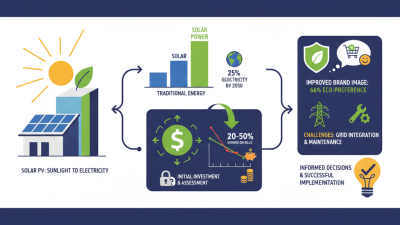
As businesses increasingly seek sustainable solutions, the importance of solar energy cannot be overstated. According to the International Energy Agency (IEA), solar power could account for 20% of global electricity by 2040. This projection underscores the urgency for businesses to adopt solar energy systems that meet their unique needs. Expert Dr. Jane Smith, a renowned researcher in renewable energy, emphasizes this point: "Choosing the right solar energy solution can enhance efficiency and reduce costs significantly."
When exploring solar energy options, businesses must prioritize several key factors. Performance, reliability, and scalability are essential. Companies must also consider local regulations, initial investment costs, and the potential return on investment. Engaging with reliable solar energy providers ensures access to expert guidance, which can lead to better decision-making.
However, the process of selecting the best solar energy system isn't without challenges. Many businesses struggle to find solutions that align with their goals. Tailoring solar installations to fit the specific operational requirements is often overlooked. This highlights the need for careful planning and expert input, ensuring that businesses maximize the benefits of their solar energy investments.

Understanding Your Business Energy Needs and Goals
Understanding your business energy needs is essential when selecting solar energy solutions. Start by evaluating your current energy consumption. Collect utility bills from the past year to identify trends. This data will help you determine how much energy your business uses on a daily, monthly, and seasonal basis.
Consider your energy goals. Do you want to reduce costs? Or maybe a commitment to sustainability drives your choice? Each decision impacts the type of solar systems you might invest in. Analyze the size of your facility and roof space too. Some businesses might have limited options due to space constraints.
Reviewing possible financing methods is also crucial. Many businesses get overwhelmed by incentives or potential savings. Not all financing options are straightforward. Some might require more initial investment than expected. Reflect on your long-term plans; flexibility may be vital for future expansions. This detailed assessment can guide you towards the best solar solution for your unique needs.
Types of Solar Energy Solutions Available for Businesses
When considering solar energy solutions for your business, it’s essential to explore the available types. Solar panels are the most common option. They convert sunlight into electricity, reducing energy costs. Another choice is solar thermal systems. These systems use sunlight to generate heat, which can be beneficial for heating water or spaces.
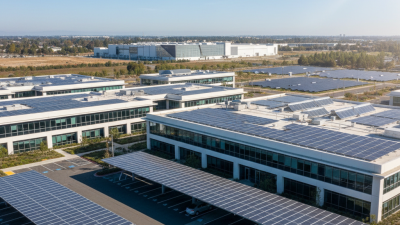
For businesses with ample rooftop space, large-scale solar installations may be ideal. These setups provide significant energy savings and sustainability benefits. Smaller businesses might opt for community solar programs. This allows participation without installing solar panels directly.
Tips: Assess your energy needs before choosing a solution. Evaluate your roof space, energy consumption, and budget. Not all systems deliver the same results, so research is crucial. Also, consider local regulations and incentives. They can impact your decision and project viability. This reflection ensures you make informed choices tailored to your needs.
Comparison of Solar Energy Solutions for Businesses
Evaluating Costs and Financial Incentives for Solar Installation
When considering solar energy solutions for your business, evaluating costs is crucial. Initial investments can seem high. However, understanding financial incentives can significantly offset these expenses. Tax credits, grants, and rebates are available in many regions. They can reduce the overall cost of installation by a substantial margin.
Tips: Research local and federal incentives. Some areas offer programs to encourage businesses to switch to solar. These incentives can emerge as a game-changer. Understanding your options can lead to significant savings over time.
When calculating costs, include ongoing maintenance and energy savings. Solar panels generally require less maintenance than traditional energy sources. However, unexpected repair costs can arise. Be prepared for these to ensure a sustainable investment. Analyzing your potential energy savings over time can also provide insight into long-term benefits.
Tips: Seek out estimates from multiple solar providers. Compare quotes, focusing on long-term benefits over initial costs. It’s essential to assess the true value rather than just the upfront price. This insight can guide your decision and enhance the sustainability of your energy choices.
Assessing Your Location and Environmental Factors
When choosing solar energy solutions for your business, understanding your location and its environmental factors is crucial. The amount of sunlight your area receives affects solar panel efficiency. For instance, regions with consistent sunlight will yield better energy production. Meanwhile, shaded areas may require more panels to meet energy needs. Local climate also matters; heavy snowfall or high winds can impact installation and maintenance.
Consider factors such as roof angle and orientation. A south-facing roof generally captures more sunlight. However, buildings with complex shapes might pose challenges. You may need additional expertise to evaluate these variables. Identifying any obstacles, like trees or nearby buildings, is essential too. They can block sunlight and reduce energy output.
Local regulations and incentives might influence your decision. Understanding environmental policies can save costs and promote sustainability. However, navigating these can be tricky. You could encounter various permits and approvals. Thus, thorough research is critical. Engaging with local experts can provide valuable insights tailored to your unique situation.
Selecting a Reputable Solar Provider and Installation Partner
Selecting a reputable solar provider and installation partner is crucial for your business’s energy transition. Not all providers are equal, and wrong choices can lead to higher costs and reduced efficiency. According to a report by the Solar Energy Industries Association, the U.S. solar market grew by 167% between 2016 and 2020, highlighting the importance of choosing wisely in a booming industry.
One essential tip is to review solar providers' certifications. Opt for companies with NABCEP certification, indicating professional expertise. Additionally, check their experience with businesses similar to yours. Look for case studies that detail successful installations with measurable results. Reliable providers should share these openly.
Customer reviews also hold weight. Seek feedback on installation quality and post-installation support. Aim for providers with a solid reputation, as poor customer service can complicate issues later. Remember, the cheapest option is not always the best choice. Quality often correlates with price, and investing now can save significant costs down the line.