China Best Solar System Project Solutions for Global Buyers?
As the world shifts towards greener energy sources, the demand for solar system projects is rapidly increasing. According to the International Renewable Energy Agency (IRENA), global solar capacity reached 900 GW in 2020, marking a 23% growth from the previous year. China plays a significant role in this growth, offering innovative solutions for solar system projects that cater to global buyers.
Chinese companies lead in solar technology, providing efficient photovoltaic panels and advanced battery systems. Reports indicate that China produces over 70% of the world's solar panels, showcasing its dominance in the industry. However, challenges remain, such as fluctuating raw material costs and supply chain vulnerabilities. Understanding these complexities is crucial for buyers aiming to invest in solar system projects.
Trust and expertise are essential when selecting a partner for solar initiatives. Working with reputable Chinese suppliers can ensure quality and reliability. As stakeholders navigate this evolving landscape, staying informed about industry trends and potential challenges will play a vital role in the success of their solar system projects.
China's Dominance in the Global Solar System Market
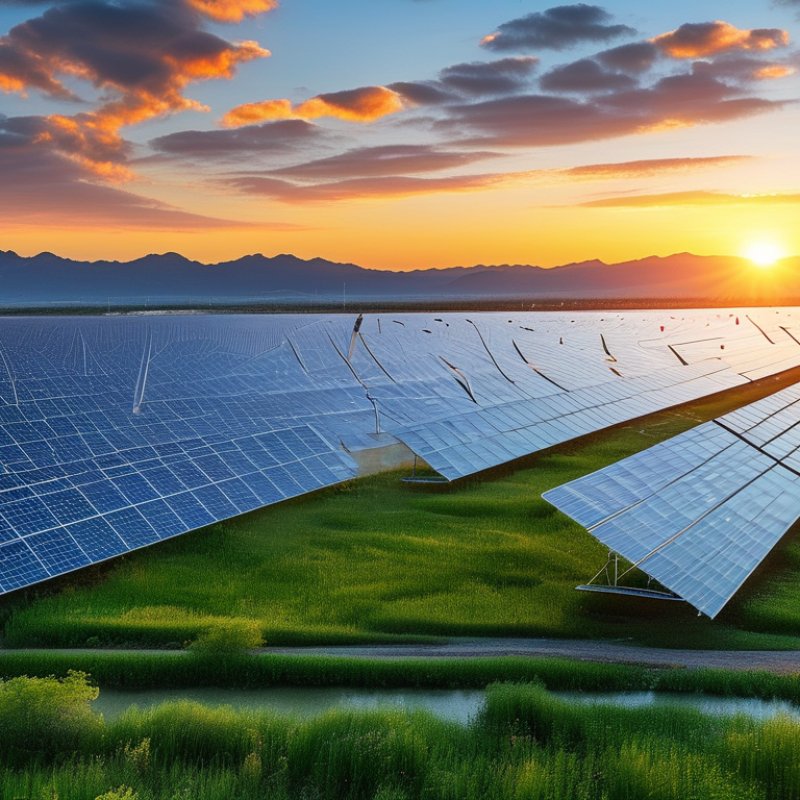
China has established itself as a leader in the global solar system market. Its rapid industrial growth has led to significant advancements in solar technology. Innovative materials and efficient manufacturing techniques contribute to lower costs. This makes solar systems more accessible for buyers around the world.
The dominance of China is not without challenges. While quality control has improved, some products may still lack consistency. Buyers should prioritize understanding technical specifications and regional certifications. Many manufacturers offer varied levels of service and support. This adds complexity to the selection process.
Potential risks exist in relying solely on one market. Diversification is crucial in mitigating supply chain issues. Buyers must remain aware of geopolitical factors that may affect trade. Researching different suppliers will lead to better outcomes and ensure a reliable solar solution for every need.
Key Features of China’s Solar Projects That Attract Global Buyers
China has emerged as a key player in the global solar market. Significant investments have driven innovation in solar technology. According to the International Energy Agency (IEA), China accounted for over 50% of global solar installations in 2022. This demand stems from their competitive pricing and strong manufacturing capabilities.
A major attraction for global buyers is the advanced technology used in China’s solar projects. The country has focused on improving efficiency and durability. Reports show that the average efficiency of Chinese solar panels has reached nearly 22%. This surpasses many international competitors, making Chinese solutions appealing for various applications.
Another feature is the scalability of projects. China's solar systems can be customized to fit different needs, from residential setups to large-scale solar farms. Flexibility in design allows for practical solutions across diverse geographical regions. However, concerns about environmental impacts and resource management in manufacturing should not be overlooked. As the industry evolves, addressing these challenges will be vital for sustaining growth and attracting continued international investment.
Evaluating the Quality and Efficiency of Chinese Solar Systems
When evaluating the quality and efficiency of Chinese solar systems, numerous factors come into play. China's solar industry has grown exponentially, supplying over 70% of the world's solar panel demand in recent years. According to the International Energy Agency, China's solar capacity reached an impressive 253 GW in 2022. This growth reflects both innovation and scale in production. However, quality assurance remains a critical concern for buyers globally.
Many Chinese manufacturers emphasize cost-effectiveness but can sometimes overlook long-term efficiency. Reports from leading industry analysts indicate that some solar panels falling below a minimum efficiency threshold can lead to increased energy costs over time. The average efficiency of Chinese panels is above 18%, while some models showcase efficiencies nearing 22%. Therefore, buyers must assess individual product specifications rather than rely solely on brand reputation.
Moreover, not all regions experience the same performance. Environmental factors, such as temperature and sunlight exposure, can affect solar panel output. Hence, some systems may underperform in specific areas, even if manufactured to high standards. This discrepancy highlights the necessity for potential buyers to conduct thorough field studies or consult independent evaluations before making a purchase decision.
Case Studies of Successful Solar Projects in China for International Clients
China has emerged as a leader in solar energy projects, attracting global buyers seeking effective solutions. Case studies highlight the country’s innovative approaches. In one instance, a solar farm was built in a remote area, maximizing land use while providing energy to local communities. This project overcame logistical challenges and inspired future initiatives.
Another successful project involved a collaboration with an international client focused on sustainability. Through careful planning and execution, they implemented cutting-edge technology. However, issues arose during installation that necessitated real-time adjustments. This experience taught valuable lessons about flexibility in project management.
Insights from these projects indicate a strong emphasis on quality and reliability. International clients have come to value the expertise in China’s solar sector. Yet, the journey can be challenging, with unexpected hurdles. Reflecting on these experiences helps improve future endeavors and strengthen international partnerships.
Future Trends in China's Solar Solutions and Their Global Impact
China's solar industry is experiencing rapid growth, establishing itself as a leader in global solar solutions. According to a report from the International Energy Agency (IEA), China dominated nearly 80% of global solar panel production in 2022. This statistic highlights China's capability to supply various markets with innovative solar technologies. Local manufacturers are not just focused on mass production, but also on enhancing efficiency. For example, advancements in bifacial solar panel technology have improved energy conversion rates, making solar installations more viable than ever.
The future trends point toward a shift in global dynamics. As countries prioritize renewable energy, the need for reliable solar solutions will increase. Research from Bloomberg New Energy Finance indicates that global solar capacity could reach 2,800 GW by 2030, driven largely by Chinese innovations. However, challenges remain, such as the supply chain's dependency on specific materials. This could impact scalability and sustainability. Additionally, international trade relations can affect market access for some technologies, prompting the need for reflection on how to navigate these complexities.
China's solar strategies are also influenced by domestic policies aimed at reducing carbon emissions. The nation aims for its carbon peak by 2030, with ambitious goals for 2060. Organizations like the Global Solar Council advocate for greater transparency and sustainability in the supply chain. This pressure to align with global standards may compel improvements in practices, which is essential in building trust with international partners. The interplay of local and global dynamics will profoundly shape the future of solar energy solutions.
China's Solar Energy Capacity Growth and Global Impact (2018-2023)