Why Solar Energy UK Is a Smart Choice for Global Buyers?
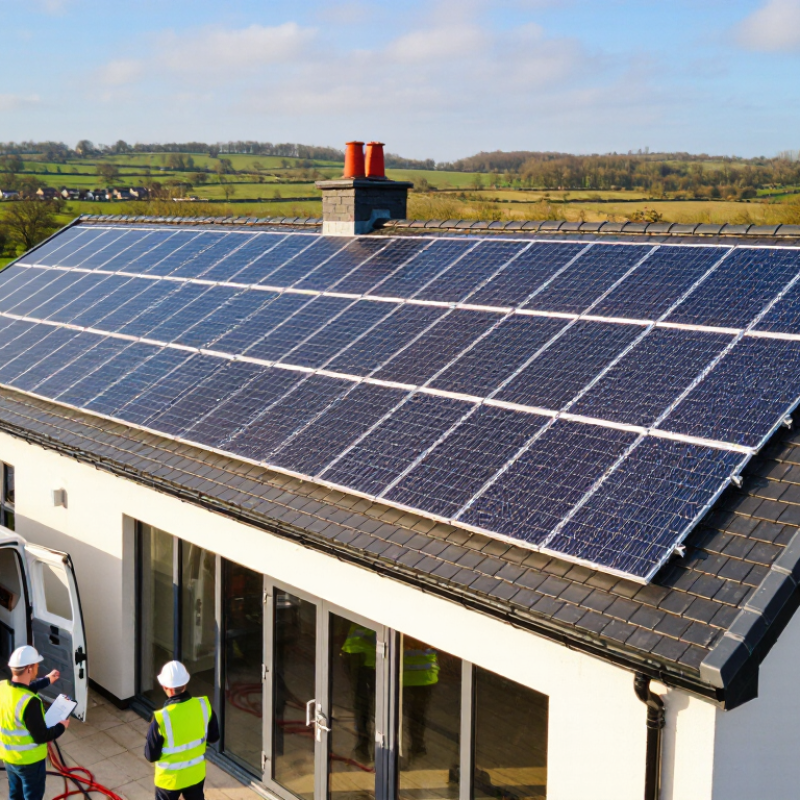
For global buyers, solar energy uk represents more than panels leaving a factory. It reflects engineering experience, careful testing, and a market shaped by demanding conditions. On a clear day in Yorkshire, a well-positioned rooftop system can turn sunlight into measurable electricity. That practical performance matters. Suppliers can also provide system designs, performance data, installation guidance, and maintenance records. Small details matter.
The UK’s established renewable-energy sector gives international buyers access to experienced manufacturers and technical specialists. Many reputable companies document product specifications, testing procedures, warranties, and supply-chain responsibilities. Buyers often compare efficiency ratings, temperature performance, degradation rates, and inverter compatibility before signing contracts. An experienced supplier should explain these points without hiding behind impressive marketing language. However, good documentation does not automatically guarantee good service. A quote may look competitive until shipping, certification, training, and replacement parts are included.
Choosing UK solar products can support reliable procurement, especially when quality control and transparent communication are priorities. It can also simplify cooperation with suppliers familiar with European technical expectations. The strongest decision still depends on the buyer’s location, climate, grid rules, project size, and budget. No market is perfect. UK weather can be variable, and distance may increase delivery time or service costs. Still, transparent evidence helps buyers judge those weaknesses honestly. For international purchasers, solar energy uk is a practical option when product quality, verified performance, and long-term support matter more than the lowest initial price. That is the real value.
Solar Energy in the UK: Definition, Scope, and Market Development
Why Solar Energy UK Is a Smart Choice for Global Buyers?
Solar Energy in the UK: Definition, Scope, and Market Development
Solar energy in the UK means converting sunlight into electricity or heat. Photovoltaic panels serve homes, factories, farms, and public buildings. Solar thermal systems can support hot-water production. The sector now connects generation, battery storage, smart controls, and energy management.
The UK receives less sunlight than southern Europe, but usable solar power remains practical. Modern panels generate electricity under cloudy conditions, although output falls during darker winter months. The roof still matters. Orientation, shading, local weather, and structural strength directly affect performance. Experienced installers usually inspect these details before recommending system capacity.
The market is expanding beyond simple rooftop projects. Utility-scale solar farms, commercial arrays, community schemes, and hybrid storage projects are gaining attention. Grid connection capacity, planning rules, imported equipment, and financing costs still influence development speed.
Weather changes quickly. That gap matters. A system designed only for sunny hours may waste potential electricity or increase dependence on the grid. Buyers should review verified test data, installation records, warranty terms, and maintenance procedures. They should also check compliance with applicable electrical and construction requirements in the target market.
For global buyers, the UK offers a mature testing environment and practical experience with variable weather. This supports product evaluation under realistic operating conditions. However, “UK-tested” does not automatically mean universally suitable. Climate, grid design, labor standards, and local regulations differ widely. Careful adaptation remains necessary.
Why the UK Solar Market Appeals to Global Buyers
The UK solar market appeals to global buyers because it combines strong demand, mature regulation, and practical deployment experience. The Department for Energy Security and Net Zero reported around 17.6 GW of installed solar capacity by the end of 2024. Solar farms now sit beside warehouses, rail corridors, and former industrial land. This variety gives international buyers useful evidence, not just showroom promises.
The market also reflects wider investment momentum. The International Energy Agency reported that solar represented about three quarters of global renewable capacity additions in 2023. UK buyers therefore operate within a fast-growing technical ecosystem. They can assess mounting systems, inverters, storage, warranties, and performance data through established certification and testing practices. That transparency supports overseas procurement decisions.
Real projects still expose uncomfortable details. Cloudy winters reduce output, and grid connections can take longer than expected. Buyers should examine degradation rates, maintenance access, planning limits, and local electricity prices. Solar Energy UK has repeatedly highlighted the growing role of storage alongside new solar capacity. This matters for global buyers seeking flexible assets, especially where evening demand remains high. The UK is not perfect, but its demanding climate can reveal weak engineering early. That is valuable experience.
Why Solar Energy UK Is a Smart Choice for Global Buyers
UK solar PV capacity increased from approximately 5.1 GW in 2014 to 15.8 GW in 2023, demonstrating a steadily expanding and established renewable-energy market.
The sustained growth of installed solar capacity reflects strong policy support, improving project economics, and growing demand for low-carbon electricity. These conditions make the UK market attractive to global buyers seeking scalable renewable-energy opportunities.
Source: UK Department for Energy Security and Net Zero (DESNZ), Solar photovoltaics deployment in the UK. Figures are rounded estimates of installed capacity at year-end.
Solar Technologies, Product Quality, and Industry Standards
Why Solar Energy UK Is a Smart Choice for Global Buyers
Solar Technologies, Product Quality, and Industry Standards
Solar technology in the UK is shaped by changing weather and demanding installation conditions. Panels must perform through cloudy mornings, strong winds, rain, and short winter days. Practical rooftop assessments often examine shading, roof angles, cable routes, and ventilation before selecting equipment. These details affect energy yield more than attractive catalogue figures.
Product quality requires more than a high efficiency percentage. Buyers should review testing under IEC 61215 and IEC 61730 standards. These cover panel performance, durability, and electrical safety. Inverters also need suitable grid protection and documented operating limits. A clear warranty matters, but its terms deserve careful reading. Some promises sound impressive until transport, labour, or replacement conditions appear.
UK projects commonly follow BS 7671 electrical requirements and relevant grid connection procedures. Certification can support trust, yet it cannot replace competent design or installation. A well-tested panel may still underperform on a poorly ventilated roof. That is an uncomfortable point. Global buyers should request factory records, inspection evidence, traceable serial numbers, and independent test reports. Industry standards reduce uncertainty, but they do not remove it. Weather data, local regulations, and installer training must still be checked for each market.
Costs, Incentives, and Investment Factors for International Buyers
Solar Energy UK: A Smart Choice for Global Buyers?
For international buyers, UK solar projects can offer predictable generation and long-term infrastructure value. The country has strong technical standards, experienced installers, and transparent energy regulation. However, sunlight levels vary by region. Southern sites often produce more electricity than northern ones, but local grid capacity may matter more than sunshine.
Costs include panels, inverters, mounting systems, labour, insurance, land, and grid connection fees. Battery storage can improve flexibility, but it increases capital requirements and maintenance risks. UK incentives may include reduced tax rates for qualifying installations and income from exporting surplus electricity. Export payments depend on the supplier, contract terms, and system eligibility. Rules can change. Buyers should verify current guidance through official UK authorities before calculating returns.
Tips:
Request a full lifecycle budget, not only an installation quote. Check planning permission, grid timelines, lease conditions, and equipment warranties. Compare projected output with conservative weather data. Also examine currency movements, local tax obligations, and repatriation costs. Independent legal, tax, and engineering reviews are valuable for overseas investors. Do not trust unusually high yield forecasts. They may exclude connection delays or replacement costs. Some projects look excellent on paper. Real maintenance records can tell a different story.
How to Evaluate and Purchase Solar Solutions from the UK
Buying solar solutions from the UK begins with a clear technical brief, not an attractive product image.
Record your site’s latitude, roof direction, tilt, shading, and monthly electricity demand. Ask for a performance estimate using local weather data. A realistic proposal should show system size, annual yield, battery cycling, and expected losses. Request the calculation file, not only a polished chart. Small details matter. Confirm whether the quoted output is DC or usable AC energy.
Check supplier experience through verifiable installations, qualified engineers, and documented quality procedures.
Review datasheets for operating temperature, ingress protection, degradation rate, and safety tests. Ask for IEC test reports and conformity documents. For inverters and batteries, confirm grid compatibility in your country before paying. UK documents may not satisfy every local authority. Ask about warranty exclusions, replacement shipping, and remote diagnosis. Get serial-number tracking and clear commissioning records. These records help when equipment fails.
Compare total landed cost, including freight, insurance, customs duties, taxes, installation, and spare parts.
A low factory price can become expensive at a distant port. Use a payment schedule tied to inspection and delivery milestones. Ask who handles damaged cartons and missing components. Do not accept vague promises about savings. A spreadsheet can still mislead. Weather, dust, weak maintenance, or an undersized cable can reduce performance. Obtain an independent electrical review before installation.