What Are Solar Power Systems and How Do They Work?

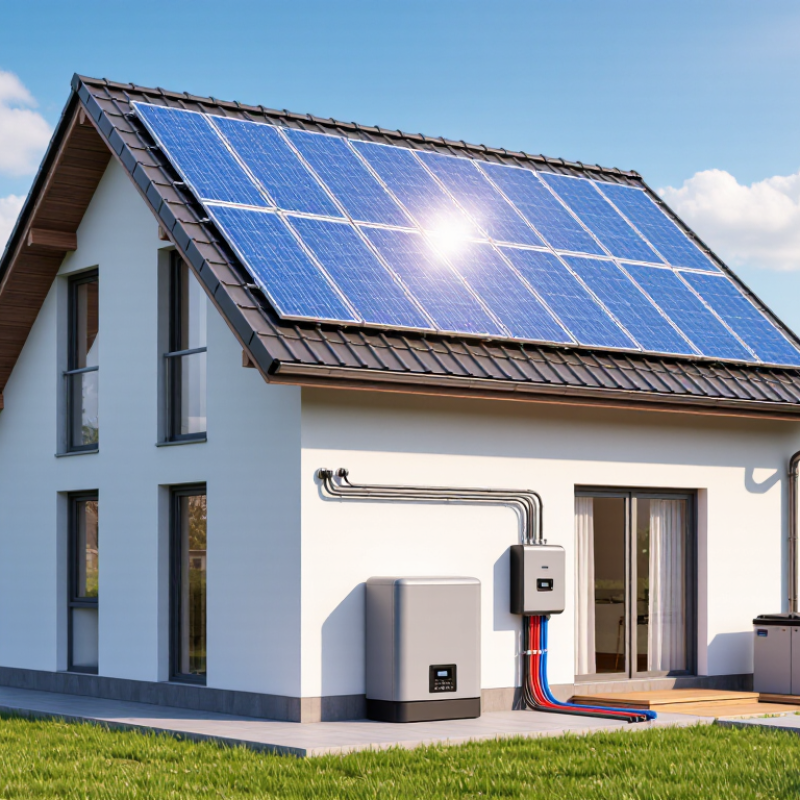
Solar power systems convert sunlight into usable electricity for homes, businesses, farms, and public facilities. Their main components include photovoltaic panels, mounting structures, inverters, wiring, monitoring equipment, and sometimes batteries. Panels capture sunlight and produce direct current electricity. The inverter changes it into alternating current for everyday appliances, such as refrigerators, pumps, and lights.

Energy economist and International Energy Agency Executive Director Fatih Birol has said, “Solar power is now the cheapest source of electricity in history.” His observation explains the technology’s rapid growth, but cost is only one part of the decision. Roof direction, shading, local weather, panel temperature, electricity tariffs, and installation quality also influence performance. A bright roof is helpful. It is not automatically suitable.

A complete solar power systems assessment should examine energy use before recommending equipment. An experienced installer may review twelve months of electricity bills, inspect roof strength, and measure shadows from nearby trees. In some locations, a battery can store afternoon production for evening use. In others, exporting excess power to the grid may be more practical. The answer depends on local rules and utility policies.

The simple diagram can mislead. Solar modules do not produce identical output every hour, and batteries are not magic storage boxes. Reliable planning requires tested equipment, safe electrical design, realistic production estimates, and qualified professionals. Performance can decline over time. Maintenance still matters. This article explains how solar power systems work, what each component does, and where their practical limits deserve careful thought.
What Are Solar Power Systems and How Do They Work?

Solar Power Systems: Definition, Purpose, and Main Components

Solar power systems convert sunlight into usable electricity for homes, businesses, and remote facilities. Their purpose is practical: reduce grid consumption, supply daytime energy, or store electricity for later use. A typical system begins with photovoltaic modules on a roof or ground frame. Each module produces direct current when sunlight reaches its semiconductor cells.

An inverter changes direct current into alternating current for ordinary appliances. This component also monitors voltage, frequency, and system performance. Mounting rails hold the modules securely, while cables, connectors, fuses, and disconnect devices control the electrical path.

A bidirectional meter records electricity imported from or exported to the grid. Battery storage is optional, but it can provide power after sunset or during outages, depending on local rules and system design.

A reliable installation depends on more than buying enough panels. Shade from a chimney, dust, roof direction, and seasonal sunlight can reduce production. During a site assessment, an installer should inspect roof strength, wiring routes, and emergency shutoff access. System size also requires careful load calculations, not guesswork.

The simple diagram often hides difficult details. For example, a battery may improve resilience but add cost, weight, maintenance, and conversion losses. Performance estimates should therefore use measured site data and conservative assumptions. Even a well-designed system will produce less electricity on cloudy days.

How Solar Panels Convert Sunlight into Electrical Energy

Solar power systems begin with a simple physical event: sunlight reaches photovoltaic cells. Each cell contains semiconductor layers that respond when photons transfer energy to electrons. Those moving electrons create direct-current electricity, often called DC. More sunlight usually means more output, but not always. Heat, shade, dust, panel angle, and wiring losses can reduce production. Clouds reduce output.

An inverter changes DC into alternating current, or AC, which household appliances can use. A monitoring system records voltage, current, and daily energy production. With batteries, extra daytime electricity can be stored for later use. Without storage, unused electricity may flow to the grid, depending on local rules and system design. That detail matters. Electrical protection devices also help isolate faults and protect people working on the system.

The roof-to-socket explanation is convenient, but incomplete. A reliable installation depends on accurate shading studies, structural checks, proper cable sizing, and verified equipment. Qualified professionals should follow applicable electrical codes and inspect connections before energizing the system. Errors can spread. Panel ratings are measured under standard test conditions, not every real afternoon. A spreadsheet can look precise while weather remains unpredictable. Solar electricity produces no direct emissions during operation, yet manufacturing, transport, maintenance, and end-of-life handling still require responsible planning.

What Are Solar Power Systems and How Do They Work? — How Solar Panels Convert Sunlight into Electrical Energy

System Stage or Component Main Energy Form How It Works Typical Facts and Data
Sunlight Radiant solar energy Sunlight carries energy in particles called photons. When photons reach a photovoltaic cell, they can transfer energy to electrons in the semiconductor material. Solar radiation at the top of Earth’s atmosphere is approximately 1,361 W/m². The amount reaching the ground varies with weather, location, season, and time of day.
Photovoltaic Cell Light energy to electrical energy A semiconductor junction creates an electric field. Absorbed photons free electrons, and the electric field directs their movement to produce direct current. Individual cells commonly produce less than 1 volt under operating conditions. Cells are electrically connected to form usable modules.
Solar Panel or Module Direct current (DC) Multiple photovoltaic cells are connected, sealed, and protected by layers of glass, encapsulant, and a backing structure. The module supplies DC electricity. Common residential modules are often rated at approximately 300–500 watts under standard test conditions, although ratings vary by design and size.
Solar Array Combined DC power Several modules are connected in series and parallel to reach the voltage and current required by the system. A 5 kW residential array may contain roughly 10–16 modules, depending on the rated power of each module.
Mounting Structure Mechanical support Racking attaches modules to a roof, ground structure, or tracking system while maintaining the intended orientation and tilt. Fixed systems do not actively follow the Sun. Tracking systems can increase energy capture but add mechanical complexity and cost.
Solar Inverter DC to alternating current (AC) The inverter converts variable DC electricity from the array into AC electricity suitable for household circuits or the electric grid. It also monitors system performance and safety conditions. Modern inverters commonly achieve peak conversion efficiencies above 95%; actual efficiency depends on load, temperature, and operating conditions.
Electrical Protection and Metering Controlled AC electricity Disconnects, fuses, circuit breakers, grounding, and monitoring equipment help protect people and equipment and measure system output. Protection requirements depend on system design and local electrical codes. A meter can record electricity produced, consumed, imported, or exported.
Battery Storage Stored chemical energy A battery stores surplus electricity as chemical energy and releases it later as DC electricity, which is normally converted to AC by an inverter. Usable storage capacity is measured in kilowatt-hours (kWh). Actual available energy is affected by depth of discharge, temperature, efficiency, and battery age.
Household Loads AC electrical energy Appliances, lighting, heating, cooling, and electronics use the AC electricity supplied by the inverter or the grid. Energy use is measured in kilowatt-hours. A 1 kW appliance operating for 3 hours consumes 3 kWh, before accounting for conversion losses.
Grid Connection Bidirectional AC power In a grid-connected system, solar electricity can supply local loads first. Surplus electricity may flow to the grid, while the grid supplies power when solar production is insufficient. Export rules, compensation, interconnection requirements, and backup behavior vary by location and utility regulations.
Energy Yield Electrical energy over time Energy production depends on solar irradiance, array size, orientation, tilt, temperature, shading, soiling, wiring, and inverter losses. A 1 kW system may produce roughly 2–5 kWh per day on an annual average in many locations, but local results can be considerably higher or lower.
Performance Ratio System efficiency indicator The performance ratio compares actual energy output with the theoretical output expected from the available sunlight and installed capacity. Well-designed systems often achieve an annual performance ratio of approximately 70–90%, depending on climate, equipment, shading, and system losses.
Operating Life Long-term energy production Solar modules gradually lose power output over time because of environmental exposure and normal material aging. Many crystalline-silicon modules are designed to operate for 25 years or more, with gradual rather than sudden output reduction.
Note: Reported values are typical reference ranges rather than guarantees. Actual solar-system performance depends on local sunlight conditions, system design, equipment specifications, installation quality, maintenance, and applicable electrical regulations.

The Role of Inverters, Batteries, and Electrical Controls

What Are Solar Power Systems and How Do They Work?

A solar power system converts sunlight into usable electricity for a home or business.

Solar panels produce direct current, but most buildings use alternating current. The inverter performs this essential conversion. It also monitors voltage, frequency, and system performance.

If electrical conditions become unsafe, it can disconnect the solar supply. This protection supports reliable operation and helps meet local electrical requirements. Real roofs rarely match computer models perfectly.

Batteries store excess electricity for evening use, cloudy periods, or backup power. A battery management system controls charging, temperature, and discharge limits.

Electrical controls coordinate panels, inverters, batteries, meters, and protective switches. They can prioritize household loads, battery charging, or grid export.

Poor settings may reduce battery life or create unexpected power interruptions. Professional testing should include cable connections, grounding, shutdown functions, and emergency access.

No design estimate is perfect.

Tips:

Review your hourly electricity use before choosing equipment.

Keep the battery in a cool, dry, accessible location.

Ask for clear documentation showing capacity, protection settings, and maintenance needs.

Never assume a larger battery automatically provides better value.

A qualified electrician should verify the installation and follow current local safety rules.

How Solar Electricity Reaches and Powers a Building

Solar power systems convert sunlight into electricity that a building can use. Photovoltaic cells absorb photons and release direct current (DC) electricity. Multiple cells form modules, while modules connect into an array. According to the IEA PVPS Trends 2024 report, global photovoltaic capacity exceeded 1.4 terawatts by the end of 2023. That scale reflects rapid deployment, but installation quality still matters. A shaded roof can reduce output noticeably. So can dust, heat, poor cable connections, or incorrect system sizing.

Electricity usually travels from the roof array to an inverter near the building’s electrical equipment. The inverter changes DC into alternating current (AC), which matches ordinary building circuits. Power then passes through protective equipment and the main distribution panel. Lights, pumps, computers, and appliances use it immediately. A bidirectional meter records electricity imported from or exported to the grid. Batteries can store surplus energy for evening use, although conversion losses reduce the available amount. The U.S. National Renewable Energy Laboratory reports typical photovoltaic system losses from temperature, wiring, inverter conversion, and soiling in its PVWatts documentation. Real systems are less tidy than diagrams. Weather changes every hour. Building demand changes every minute. When solar production falls, the grid or battery supplies the gap. When production exceeds demand, surplus electricity may flow outward, depending on local rules and interconnection settings. Even accurate models remain estimates; a roof inspection and measured load profile often reveal problems that software misses.

Key Factors Affecting Solar System Performance and Efficiency

What Are Solar Power Systems and How Do They Work?

Key Factors Affecting Solar System Performance and Efficiency

Solar power systems convert sunlight into electricity through photovoltaic cells. The cells produce direct current, while an inverter changes it into alternating current for household use. Performance depends on more than panel size. Roof direction, tilt, shading, wiring, inverter quality, and local weather all influence daily output.

Shade matters. Even a narrow shadow across several cells can reduce a panel’s contribution. High temperatures also lower voltage, so a bright, hot afternoon may produce less electricity than expected.

The IEA PVPS Trends in Photovoltaic Applications 2024 report recorded about 456 gigawatts of new solar capacity worldwide in 2023. This rapid growth makes accurate system design increasingly important, not optional.

Dust and pollen create a thin, dull layer on glass. Rain may remove some dirt, but not bird deposits or oily particles. NREL research has reported typical module degradation near 0.5% per year, although results vary with climate and equipment.

Battery systems add further losses during charging and discharging. A practical estimate should include these losses, rather than using ideal laboratory ratings. Real roofs are messier. Measurements can still be imperfect. Regular production monitoring, seasonal inspections, and honest assumptions usually reveal where efficiency is being lost.