Top 10 Benefits of Using Solar Panels for Businesses

For many companies, using solar panels is no longer a distant sustainability ambition. It is a practical energy decision with measurable financial and operational effects. IRENA reported that global solar photovoltaic capacity reached approximately 1,865 gigawatts by the end of 2024. Solar also represented most new renewable capacity added that year. This scale indicates a mature and rapidly expanding industry, not a temporary trend.

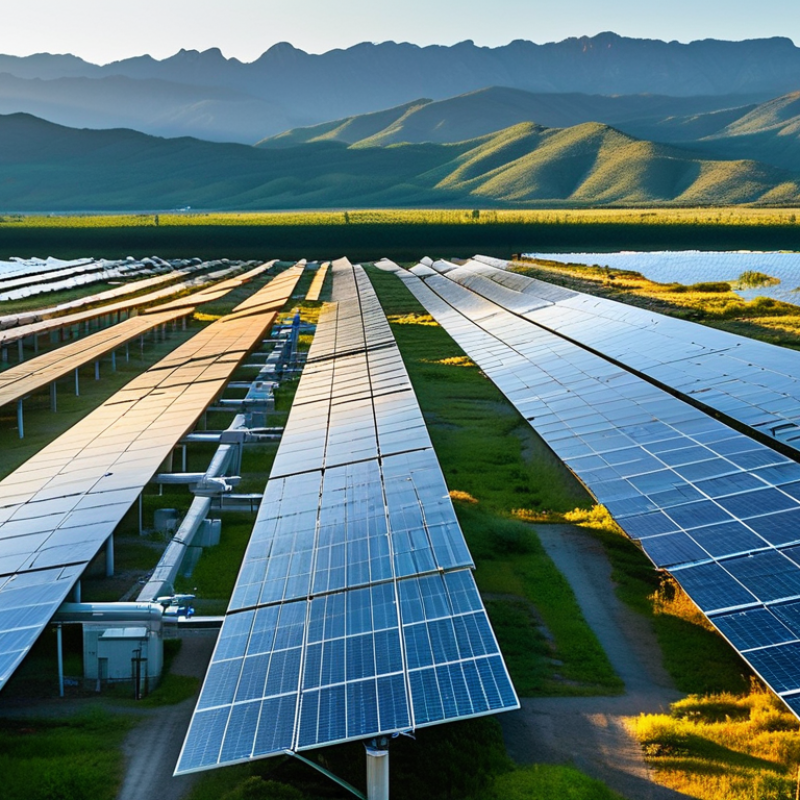
Businesses can use rooftop or ground-mounted systems to reduce purchased electricity during daylight hours. A warehouse roof may power refrigeration, lighting, and automated equipment at the same time. Offices can lower peak demand while supporting visible environmental commitments. The International Energy Agency’s Renewables 2024 report expects solar photovoltaic capacity to expand strongly through 2030. Falling technology costs and supportive policies continue driving this growth.

Yet solar is not effortless. Roof condition, shading, grid rules, maintenance, and local electricity tariffs can change the financial outcome. Battery storage may improve resilience, but it also increases project complexity and upfront investment. That deserves honest attention. A credible assessment should compare several years of utility bills, not rely on optimistic estimates. It should also examine warranties, installer experience, insurance, and future electricity needs.

The following benefits explain why companies are evaluating solar more carefully. They include potential cost control, energy resilience, emissions reduction, brand value, and better long-term planning. Results vary by location and business model. Still, the evidence is becoming difficult to ignore.

Top 10 Benefits of Using Solar Panels for Businesses

Understanding How Solar Panels Work for Businesses

Top 10 Benefits of Using Solar Panels for Businesses

Solar panels convert sunlight into direct-current electricity through photovoltaic cells. An inverter then changes it into usable alternating-current power. This electricity can support lighting, computers, refrigeration, and production equipment during business hours. A site assessment checks roof strength, shading, orientation, and local weather patterns before installation. Small details matter.

Businesses can use stored energy after sunset with battery systems. Without batteries, excess electricity may flow back to the grid under local regulations. Energy meters record production and consumption, helping managers compare expected and actual performance. Monitoring software can reveal faults, unusual drops, or shaded panels. Regular inspections keep connections secure and surfaces reasonably clean. Solar power may reduce operating costs and provide more predictable energy planning.

The system is not effortless. Cloudy days reduce output, and older inverters may require replacement sooner than expected. Roof repairs can also complicate future maintenance. A careful financial review should include installation, insurance, permits, maintenance, financing, and battery replacement. Actual savings depend on electricity rates and daily demand. In practice, businesses often benefit most when they consume solar electricity while generating it. Some projections look attractive, but real performance can differ. That uncertainty deserves honest attention.

Reducing Business Energy Costs Through Solar Power

Top 10 Benefits of Using Solar Panels for Businesses

Reducing Business Energy Costs Through Solar Power

For many businesses, electricity is a large and unpredictable operating expense. Solar panels can reduce electricity purchased from the grid during daylight hours. A warehouse, for example, may use solar power while running lights, refrigeration, and machinery. This alignment can lower monthly bills and improve cash-flow planning.

The savings begin with a careful energy assessment, not a sales promise. Review twelve months of utility bills, peak demand charges, roof direction, shading, and seasonal production. A properly sized system may reduce daytime consumption significantly. Surplus electricity could also receive credit, depending on local rules and utility agreements. Battery storage can extend savings into evening hours, but it adds cost and maintenance needs.

The first estimate is rarely perfect. Roof repairs, equipment replacement, or unexpected shade can change the financial result. Solar panels also require inspections, cleaning, and inverter monitoring. Still, businesses may gain more than lower bills. Solar can protect against some future rate increases, support cleaner operations, and strengthen budget stability. Available incentives may improve payback, but eligibility and tax treatment vary by location. Independent engineering advice is worth the expense. Careful records make the decision more reliable.

Improving Energy Independence and Operational Stability

Top 10 Benefits of Using Solar Panels for Businesses

Improving Energy Independence and Operational Stability

Solar panels can reduce a business’s dependence on unpredictable grid electricity. During commercial energy assessments, engineers often review twelve months of utility bills, roof orientation, and hourly consumption. This evidence helps match generation with real operating needs. A warehouse, for example, may produce useful power during daytime refrigeration and loading activities. That alignment can lower purchased electricity and improve budget control.

Energy independence does not mean complete disconnection from the grid. Solar output changes with clouds, seasons, and roof shading. Battery storage can support critical equipment after sunset or during short interruptions. Properly designed systems may keep lighting, security devices, servers, or refrigeration operating longer. They also reduce exposure to sudden price increases. Operational stability matters when even thirty minutes of downtime can delay shipments or damage temperature-sensitive goods.

The system must be inspected regularly. Inverter records, panel condition, cable connections, and battery temperature need professional attention. A poorly sized installation can create disappointing savings. It may also export power when the business needs it most. Load studies, safety checks, and local electrical requirements should guide the design. Solar is reliable, but not effortless. Managers should compare projected production with actual monthly performance and adjust expectations when conditions change.

Top 10 Benefits of Using Solar Panels for Businesses

Solar power can improve energy independence and operational stability by reducing exposure to grid price volatility, lowering emissions, and providing predictable onsite generation.

Evidence-based reference benchmarks: the chart shows the approximate reduction in global weighted-average utility-scale solar PV electricity cost and module prices from 2010 to 2023, the approximate lifecycle emissions advantage of solar compared with coal, and typical retained module output after 25 years.
  • Greater energy independence
  • Improved operational stability
  • Lower electricity costs
  • Reduced exposure to price volatility
  • Lower carbon emissions
  • More predictable long-term energy planning
  • Reduced daytime peak-grid demand
  • Stronger sustainability performance
  • Better resilience when paired with storage
  • Long operating life with low maintenance needs

Sources: International Renewable Energy Agency, Renewable Power Generation Costs 2023; International Renewable Energy Agency, Renewable Energy and Jobs – Annual Review 2024; IPCC AR6 WGIII; typical crystalline-silicon PV performance warranties and degradation benchmarks. Actual results vary by location, system design, financing, and tariff structure.

Supporting Environmental Goals and Corporate Responsibility

Solar panels can turn corporate responsibility into a visible daily practice. Rooftop arrays reduce reliance on grid electricity and lower operational carbon emissions. Employees may notice panels above parking areas or production buildings. That visibility can strengthen environmental awareness across the workplace.

However, solar power is not a perfect answer. Manufacturing creates embodied emissions, and cloudy weather reduces generation. Some businesses still need grid electricity during evenings or seasonal peaks. Honest sustainability reporting should include these limitations. It should also track panel maintenance, energy output, and recycling plans.

Tips: Begin with a professional site assessment before setting public targets. Review roof strength, shading, electricity demand, and future building plans. Set measurable goals, such as reducing annual electricity emissions by a defined percentage. Publish progress with clear evidence, not broad claims. Invite employees to monitor energy use and suggest practical savings. Small actions matter. Yet, some companies may overstate their impact without checking the full lifecycle. That is worth reconsidering.

Top 10 Benefits of Using Solar Panels for Businesses - Supporting Environmental Goals and Corporate Responsibility
No. Business Benefit Key Data Dimension Verified Benchmark or Fact Environmental and Corporate Responsibility Value Reference Basis
1 Lower greenhouse-gas emissions Solar PV lifecycle emissions Approximately 20–50 g CO₂e per kWh over the system life cycle, depending on technology, location, and manufacturing conditions. Provides a measurable reduction in electricity-related emissions and supports Scope 2 emissions-management objectives. IPCC lifecycle-assessment studies
2 Significantly cleaner electricity than coal generation Relative lifecycle emissions Using the ranges above, solar PV produces roughly 90–98% fewer lifecycle emissions than coal-fired electricity, which is commonly assessed at about 820 g CO₂e per kWh. Strengthens emissions disclosures, climate-risk reporting, and progress toward science-aligned environmental targets. IPCC lifecycle-emissions assessments
3 Short energy payback period Energy payback time Modern photovoltaic systems commonly repay the energy used in their manufacture, transport, and installation in about 0.5–2.5 years, depending on solar resource and system type. Demonstrates that the system can deliver many years of net renewable-energy production after recovering its embodied energy. IEA PVPS and NREL assessments
4 Long-term renewable generation Expected operating life Commercial solar PV systems are generally designed to operate for approximately 25–35 years, subject to maintenance and site conditions. Creates a durable environmental investment and supports long-term sustainability planning rather than short-term compliance alone. IEA PVPS technical reports
5 Reduced dependence on fossil-fuel electricity On-site renewable electricity Solar panels generate electricity without fuel combustion during operation and can directly offset a portion of electricity purchased from the grid. Improves energy-source diversification and reduces exposure to the environmental impacts associated with fossil-fuel generation. U.S. Department of Energy technical guidance
6 Minimal operational water use Water consumption during generation Solar PV does not require cooling water during electricity generation, although occasional panel cleaning may use water depending on local conditions. Supports water-stewardship goals, particularly for facilities operating in water-stressed regions or industries with high water demands. U.S. Department of Energy and NREL studies
7 Lower daytime grid demand Load offset during solar-production hours Solar output generally occurs during daylight hours, allowing businesses with daytime operations to use generated electricity directly and reduce grid purchases. Can reduce demand for carbon-intensive marginal generation and improves the alignment between energy consumption and renewable supply. IEA and national electricity-system analyses
8 Improved sustainability measurement Environmental performance indicators Generation can be tracked in kWh, avoided grid electricity, estimated CO₂e reductions, renewable-energy percentage, and emissions intensity per unit of output. Provides auditable data for ESG reporting, sustainability dashboards, environmental disclosures, and stakeholder communication. GHG Protocol and ISO environmental-management principles
9 Visible demonstration of corporate responsibility Stakeholder engagement A visible solar installation can be paired with live energy-generation displays, educational signage, and publicly reported performance indicators. Turns sustainability commitments into a tangible workplace and community initiative without relying solely on policy statements. Sustainability-management best practices
10 Support for renewable-energy targets Renewable electricity contribution The renewable share of a facility’s electricity can be calculated as solar electricity consumed or exported divided by total electricity consumption, using metered data. Helps organizations establish a transparent baseline and measure progress toward renewable-energy, net-zero, and environmental procurement goals. GHG Protocol and renewable-energy accounting guidance
Actual results vary with solar resource, roof orientation, system design, shading, electricity demand, grid mix, maintenance, and local regulations.

Increasing Long-Term Business Value with Solar Investment

Top 10 Benefits of Using Solar Panels for Businesses

Increasing Long-Term Business Value with Solar Investment

Solar panels can turn unused roof space into a productive business asset. A well-designed system may reduce electricity costs for many years, protecting cash flow from rising utility rates. That matters. Monthly savings can support equipment upgrades, employee training, or expansion instead of disappearing into operating expenses.

Long-term value depends on careful planning, not optimistic projections. A professional assessment should review roof condition, shading, local weather, electrical demand, and future energy use. Businesses should also compare installation costs, financing terms, maintenance needs, insurance, and changing regulations. Numbers can disappoint. Actual savings may vary when production falls, electricity prices remain low, or the building needs repairs. A realistic financial model is more useful than a perfect-looking forecast.

Solar investment can strengthen property appeal and demonstrate measurable environmental responsibility. Tenants, customers, lenders, and employees may value a company that manages energy risks thoughtfully. Battery storage can improve resilience during selected outages, although it adds cost and requires technical evaluation. Monitoring software can reveal underperformance early, while scheduled inspections help protect output. The strongest projects connect energy savings with broader business goals, such as predictable budgeting and lower emissions. Yet solar is not automatically suitable for every site; independent advice and transparent assumptions deserve attention before any contract is signed.