Top Solar Engineering Companies for Global Buyers

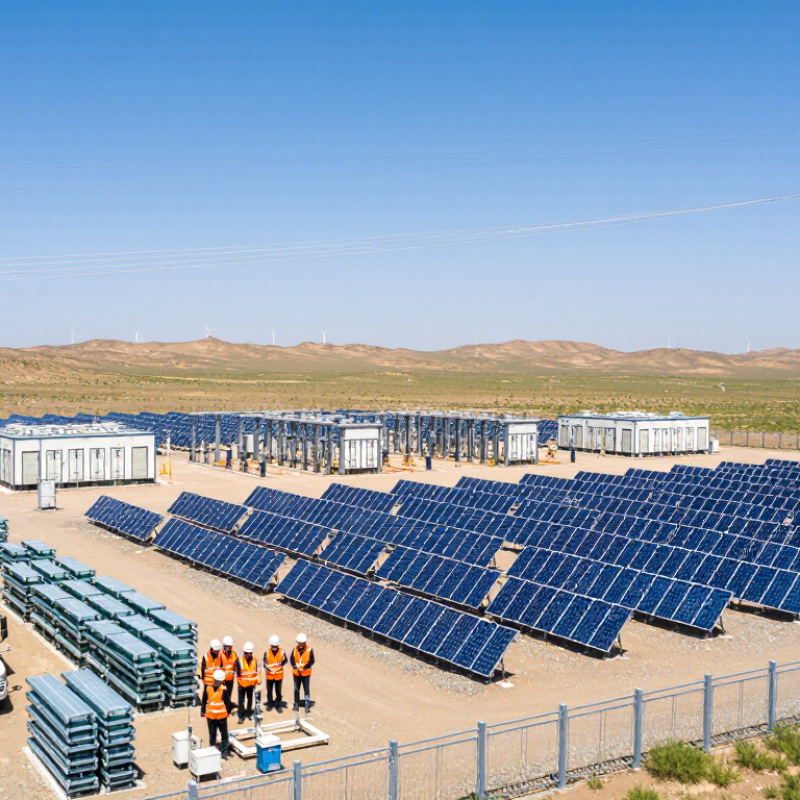
Choosing among the top solar engineering companies for global buyers requires more than comparing project prices. A serious evaluation examines design capability, equipment quality, construction experience, and long-term service. It also considers local weather, grid conditions, land constraints, and permitting requirements. A desert project may need dust-resistant modules and advanced cleaning plans. A coastal installation may require stronger corrosion protection. Details matter.

Fatih Birol, Executive Director of the International Energy Agency, called solar power “the new king of electricity markets.” His observation reflects a clear market shift, but successful projects still depend on disciplined engineering. Leading firms translate sunlight data into practical layouts, reliable electrical systems, realistic energy forecasts, and maintainable assets. They should explain assumptions openly. They should also provide independently verifiable performance records, safety procedures, warranty terms, and references from comparable regions.

No ranking is perfect. Company size can impress buyers, yet it may not guarantee careful site management. A smaller specialist might understand local soil, labor, and grid limitations better. That difference can affect every cable route and inverter room. Global buyers should question optimistic yield estimates and unclear cost exclusions. They should ask who remains responsible after commissioning. Good solar engineering is not only about installing panels. It is about reducing uncertainty across a project’s entire operating life. Some information may remain incomplete, especially in emerging markets. That is worth acknowledging, not hiding. A transparent comparison helps buyers choose partners based on evidence, accountability, and practical performance rather than polished claims.

Top Solar Engineering Companies for Global Buyers

What Solar Engineering Companies Provide for Global Buyers

Solar engineering companies provide more than panels and installation crews. They turn a buyer’s project idea into a bankable technical plan. Services often include site surveys, solar resource analysis, energy-yield modeling, electrical design, structural reviews, and grid-connection studies. Engineers may inspect soil conditions, drainage, shading, cable routes, and local weather risks before equipment is selected.

Demand for this expertise is expanding quickly. The International Energy Agency reported nearly 400 GW of new solar photovoltaic capacity in 2023. IRENA recorded about 1,419 GW of global solar PV capacity by the end of that year. These figures show scale, but they also reveal a problem. Rapid growth can expose weak designs. Reports may use different methods, so buyers should verify assumptions carefully.

For global buyers, engineering companies can manage tender documents, technical due diligence, procurement specifications, construction supervision, commissioning tests, and performance verification. They may also support permits and grid-code compliance in the project country. Practical deliverables matter. A reliable firm should provide a loss diagram, production model, equipment warranties, inspection records, and clear acceptance criteria. Operations support can include infrared testing, inverter diagnostics, vegetation control, and spare-parts planning. Small details matter.

Experienced buyers should request independent yield reviews and sensitivity cases for dust, temperature, curtailment, and component degradation. No model is perfect. That imperfection deserves discussion, not concealment. Sources: IEA, Renewables 2024; IRENA, Renewable Capacity Statistics 2024.

Top Solar Engineering Companies for Global Buyers - What Solar Engineering Companies Provide for Global Buyers
Engineering Service What Global Buyers Receive Key Technical Outputs Common Reference Standards or Practices Buyer Value
Project Feasibility Assessment Early-stage evaluation of the site's solar resource, land availability, electrical connection, permitting pathway, and commercial assumptions. Pre-feasibility report, risk register, preliminary capacity estimate, site constraints, and development schedule. Solar resource analysisSite screeningRisk assessment Helps buyers compare opportunities before committing substantial development capital.
Solar Resource and Energy Yield Analysis Assessment of irradiation, temperature, shading, system losses, degradation, and expected energy production. Monthly and annual energy forecasts, performance ratio estimate, uncertainty analysis, and loss diagram. GHI/DNI dataP50/P90 estimatesLoss modeling Provides a technical basis for financing, power-sale forecasts, and project comparison.
Conceptual and Detailed System Design Electrical and civil design for utility-scale, commercial, industrial, residential, or hybrid solar installations. String layout, equipment sizing, single-line diagrams, cable schedules, grounding design, mounting layout, and design calculations. DC/AC sizingVoltage-drop checksProtection design Improves system safety, constructability, energy performance, and long-term maintainability.
Grid Connection Engineering Technical support for connecting the solar plant to a distribution or transmission network. Grid-connection application, load-flow study, short-circuit study, protection coordination, power-quality analysis, and compliance documentation. Utility interconnection rulesIEEE 1547 where applicableLocal grid codes Reduces approval delays and supports reliable interaction with the electricity network.
Equipment Specification and Technical Procurement Performance-based specifications for modules, inverters, mounting systems, transformers, switchgear, monitoring systems, and cables. Technical schedules, approved-equipment criteria, tender documents, bid-comparison matrix, and supplier clarification responses. IEC 61215IEC 61730IEC 62109 Allows buyers to compare offers on measurable technical and lifecycle criteria rather than price alone.
Civil, Structural, and Geotechnical Engineering Design of foundations, pile systems, access roads, drainage, fencing, equipment pads, and structural interfaces. Topographic review, geotechnical requirements, foundation calculations, wind-load assessment, drainage plan, and construction drawings. Site investigationWind and snow loadsLocal building codes Reduces construction risk and helps ensure that the plant is suitable for local ground and weather conditions.
Permitting and Compliance Support Coordination of technical documents required by authorities, utilities, lenders, landowners, and environmental reviewers. Permit drawings, environmental inputs, fire-safety information, electrical compliance files, and approval-tracking register. Local regulationsFire-safety rulesEnvironmental requirements Creates a clearer approval pathway across different jurisdictions and project types.
Construction Engineering and Site Supervision Technical oversight during civil works, equipment installation, cable routing, testing, and construction quality control. Inspection and test plans, method-statement reviews, nonconformance reports, progress inspections, and as-built verification. Quality controlHSE coordinationAs-built records Helps confirm that construction matches the approved design and contract requirements.
Testing, Commissioning, and Handover Verification that equipment and the completed solar plant operate safely and meet agreed performance requirements. Insulation-resistance tests, polarity checks, continuity tests, inverter checks, protection tests, commissioning records, and handover dossier. IEC 62446-1Functional testingPerformance verification Provides documented evidence of system condition before commercial operation and final acceptance.
Monitoring and Performance Analytics Design of data acquisition, plant monitoring, alarms, reporting, and performance analysis systems. SCADA architecture, meter requirements, monitoring points list, alarm matrix, dashboard specifications, and KPI definitions. AvailabilityPerformance ratioEnergy yield Enables faster fault detection, transparent reporting, and evidence-based operational decisions.
Operations and Maintenance Engineering Long-term plans for preventive maintenance, corrective maintenance, spare parts, vegetation control, cleaning, and inspections. O&M scope, maintenance schedule, response-time requirements, spare-parts list, inspection forms, and annual performance reports. Preventive maintenanceThermal inspectionAsset management Supports reliable generation, controlled operating costs, and longer asset life.
Independent Technical Due Diligence Objective review of a proposed or operating project for investors, lenders, insurers, or asset purchasers. Design review, energy-yield review, construction assessment, technology review, contract-risk review, and technical due-diligence report. Bankability reviewContract assessmentOperational risk Gives financial stakeholders an independent view of technical risks, assumptions, and expected performance.

How to Evaluate Solar Engineering Expertise and Project Capabilities

Evaluating solar engineering expertise starts with evidence, not polished sales language. IRENA’s Renewable Capacity Statistics 2024 reported about 473 GW of renewable capacity added worldwide in 2023, including roughly 346 GW of solar. This scale makes engineering discipline essential. Ask whether the team has delivered projects with similar climate, grid conditions, land limits, and system size. Review signed drawings, energy-yield models, geotechnical findings, and commissioning records. Real documents reveal more than impressive claims.

Check the calculation process closely. A capable team explains assumptions for soiling, shading, temperature, degradation, and equipment availability. NREL research commonly identifies a median photovoltaic degradation rate near 0.5% annually. Project forecasts should reflect this uncertainty, rather than promise perfect output. Request independent model validation and sensitivity cases for cloudy weather, delayed construction, and curtailment. Small omissions become expensive in the field.

Project capability also depends on execution after design approval. Examine procurement controls, factory inspection procedures, construction supervision, testing protocols, and spare-parts planning. Ask who will solve a damaged cable, unstable soil, or failed protection relay at 2 a.m. References should include operating assets, not only completed installations. No scorecard is perfect. I would also interview former project owners, because an engineering firm may describe delays differently from the people who managed them. IEA PVPS Trends 2024 provides useful market context, but buyers still need site-specific evidence, qualified personnel, and transparent performance guarantees.

Where Leading Solar Engineering Companies Operate Worldwide

Top Solar Engineering Companies for Global Buyers

Leading solar engineering companies now operate across diverse power markets, not one single region. Their work spans utility fields in North America, rooftop systems in Europe, and large hybrid projects across the Middle East. In Southeast Asia, engineers often design around heavy rainfall, weak grids, and limited land. Local conditions decide more than equipment capacity.

The International Energy Agency’s Renewables 2024 report expects global renewable capacity to expand by almost 5,500 gigawatts by 2030. Solar photovoltaic systems are projected to provide nearly 80% of that growth. This expansion creates demand for engineering teams with cross-border experience, including feasibility studies, grid modeling, construction supervision, and long-term maintenance planning. Practical knowledge matters.

The International Renewable Energy Agency reported 1,865 gigawatts of installed solar capacity worldwide at the end of 2024. China, Europe, North America, and emerging markets remain important operating regions. However, engineering quality varies between projects. Some plans underestimate dust, corrosion, transformer delays, or local permitting. That is a real weakness. Global buyers should examine independently verified yield estimates, safety records, regional licenses, and documented performance from similar climates. An attractive proposal can still fail when the site survey is rushed.

Top Solar Engineering Markets Worldwide

Solar photovoltaic capacity by global region, 2023

Asia represented the largest engineering and deployment market, supported by rapid utility-scale and distributed solar growth. Europe and North America also maintained substantial installed capacity, while emerging markets in Africa, South America, and the Middle East continued expanding from smaller bases. Data are rounded regional estimates based on IRENA Renewable Capacity Statistics 2024.

How Companies Compare in Technology, Services, and Project Scale

Top Solar Engineering Companies for Global Buyers

Comparing solar engineering companies requires evidence, not polished brochures. Experienced buyers review system designs, yield estimates, and completed project records. A strong technical team explains why it selected specific modules, inverters, batteries, and monitoring equipment. It also models shading, dust, heat, and seasonal weather. These details affect output more than impressive capacity figures. Independent testing data and transparent assumptions make performance claims easier to trust.

Service quality becomes visible before construction begins. Reliable providers offer site surveys, structural checks, grid studies, financial modeling, and clear schedules. During installation, experienced engineers document cable routes, equipment settings, and safety inspections. After commissioning, useful support includes remote monitoring, spare-parts planning, technician training, and response targets. Buyers should ask who handles faults at night. This small question often reveals weak service arrangements.

Project scale can show capability, but size alone proves little. A company managing a 200-megawatt plant may struggle with a remote commercial roof. Smaller projects can expose communication gaps, while large projects test procurement and quality control. Buyers should compare projects with similar climates, grid conditions, and operating demands. No provider is flawless. Some forecasts remain too optimistic, especially when local weather data is limited. A careful evaluation should record these uncertainties instead of hiding them. Contracts also need measurable output terms, inspection points, and accessible maintenance records.

What Global Buyers Should Check Before Choosing a Solar Engineering Partner

Global buyers should test a solar engineering partner beyond its sales presentation. IRENA reported 346 GW of solar capacity additions in 2023, representing nearly three quarters of all renewable additions. This scale increases the cost of poor design. Ask for a site-specific energy model, not a generic yield estimate. Check whether it includes shading, soiling, temperature losses, curtailment, and P50 or P90 assumptions. A spreadsheet can still be wrong. Request evidence from comparable climates, grid conditions, and project sizes.

Technical compliance needs equal attention. Confirm testing against relevant IEC standards, local grid codes, and permitting requirements. Review the engineer’s quality procedures, insurance coverage, design liability, and document-control process. IEA PVPS reported global photovoltaic capacity above 1.6 TW by the end of 2023, yet rapid growth does not guarantee consistent workmanship. Inspect sample drawings, cable schedules, protection studies, and commissioning records. Details reveal more than glossy case studies.

Commercial checks should cover performance guarantees, degradation assumptions, spare-part availability, cybersecurity controls, and response times for faults. Speak with operating clients, not only references selected by the bidder. Ask who will remain responsible after construction. An inexpensive design may create expensive downtime. I would also challenge unclear exclusions, especially for foundations, grid upgrades, and weather-related delays. Some buyers overlook these points under schedule pressure. That is understandable, but risky.