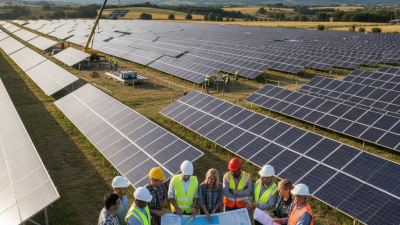
Top 10 Best Solar Projects Transforming Renewable Energy Today?
The demand for sustainable energy has never been greater. As we look for solutions to climate change, the solar project emerges as a leading contender. These projects harness the sun's power and offer numerous benefits. They provide clean energy, reduce greenhouse gas emissions, and often create local jobs. However, not every solar project meets expectations. Some face challenges related to efficiency and installation costs.
The top solar projects today showcase innovative technologies and approaches. They highlight the potential for transforming energy systems around the world. For example, community-based solar initiatives empower neighborhoods to produce their own energy. Other projects utilize cutting-edge solar storage solutions, ensuring constant energy supply even when sunlight fades.
It is essential to understand the impact of these solar projects. As they grow, the need for research and improvement continues. Stakeholders must reflect on what works and what doesn’t. Only then can we maximize the positive effects of solar energy and fully embrace its potential for a sustainable future.

Overview of Solar Energy and Its Importance in Renewable Resources
Solar energy has become a critical element in the landscape of renewable resources. The International Renewable Energy Agency (IRENA) reported that solar energy capacity reached over 710 GW globally by 2019, highlighting its growing significance. With advancements in technology and decreasing costs, solar power is now one of the most viable sources of clean energy. This shift is vital for reducing greenhouse gas emissions and combating climate change.
The importance of solar energy extends beyond environmental benefits. It creates jobs and boosts local economies. According to the Solar Foundation's National Solar Jobs Census, the solar industry employed over 250,000 people in the U.S. by 2019. This number reflects a robust growth trajectory, yet challenges remain. The industry faces barriers like regulatory hurdles and inconsistent policies. These factors can hinder progress and require careful navigation.
Moreover, solar energy adoption varies across regions due to policy support and public acceptance. While some areas thrive, others lag behind. In the U.S., for instance, states with strong incentives have seen rapid growth, while others struggle. This disparity raises questions about equitable access to renewable resources. The transition to solar energy is promising but necessitates a collective effort to overcome existing obstacles.
Innovative Solar Technologies Revolutionizing Energy Production
Innovative solar technologies are reshaping energy production in remarkable ways. Advances in photovoltaic materials enhance efficiency and reduce costs. For instance, perovskite solar cells have emerged as a game-changer. These materials offer a more cost-effective alternative to traditional silicon-based cells, achieving higher efficiency rates. Their lightweight nature also allows for easier installation in various environments.
Concentrated solar power (CSP) systems are another exciting innovation. CSP uses mirrors to focus sunlight, generating heat that drives turbines. This method enables energy storage, making it viable even when the sun doesn't shine. However, CSP technology isn't flawless. High initial costs and land requirements can be barriers to widespread adoption.
Bifacial solar panels are gaining popularity too. These panels capture sunlight on both sides, increasing energy generation. While they show promise in improving capacity, their installation is more complex. Expanding integration of smart grid technology is essential for optimizing energy distribution. Solar energy’s potential is vast, yet addressing these challenges is crucial for its future.
Top 10 Game-Changing Solar Projects Around the World
Solar energy is rapidly transforming the way we harness power. Around the globe, innovative projects are leading the charge. These initiatives not only reduce dependence on fossil fuels but also inspire future developments in renewable energy. From vast solar farms to community-driven installations, the diversity of solar projects is remarkable.
One standout project uses advanced technology to increase efficiency. Built in a challenging environment, it demonstrates resilience and adaptability. Another project focuses on integrating solar panels with agriculture. This dual-use strategy maximizes land productivity while generating clean energy. However, challenges remain. The infrastructure for energy storage must evolve to keep pace with generation capacity.
Some projects face criticism for their environmental impact during construction. Balancing progress and ecological responsibility is crucial. Collaborative approaches can lead to thoughtful solutions. As nations invest in solar energy, careful planning is necessary to ensure sustainability. Each project offers lessons and opportunities for improvement. The journey toward a solar-powered future is ongoing, full of potential yet fraught with challenges.
Top 10 Game-Changing Solar Projects Around the World
| Rank |
Project Name |
Location |
Capacity (MW) |
Year Completed |
Key Feature |
| 1 |
Solar Park A |
Country A |
1000 |
2020 |
Largest Solar Park in Region |
| 2 |
Solar Rooftop B |
Country B |
250 |
2021 |
Innovative Building Integration |
| 3 |
Floating Solar C |
Country C |
500 |
2019 |
Installed on Water Bodies |
| 4 |
Concentrated Solar D |
Country D |
150 |
2022 |
Uses Mirrors to Focus Sunlight |
| 5 |
Solar Farm E |
Country E |
750 |
2023 |
First 100% Solar Powered City |
| 6 |
Community Solar F |
Country F |
100 |
2021 |
Accessible to Local Residents |
| 7 |
Rooftop Solar G |
Country G |
50 |
2020 |
Power Generated for Local Schools |
| 8 |
Hybrid Solar H |
Country H |
300 |
2019 |
Combined with Wind Energy |
| 9 |
Solar Innovation I |
Country I |
400 |
2022 |
Features Smart Technology |
| 10 |
Zero-Emission Solar J |
Country J |
200 |
2023 |
Focus on Sustainability |
Impact of Solar Projects on Local Economies and Job Creation
Solar projects are more than just energy sources; they reshape local economies. Every solar installation brings new job opportunities. For example, construction jobs emerge when panels are installed. These jobs often require skilled labor, which boosts local employment rates. Residents gain skills, improving their long-term job prospects.
Local businesses also benefit. Suppliers for materials, maintenance, and operations see increased demand. A solar project in a small town can lead to a flourishing market for related services, such as electricians and technicians. However, the transition may strain existing infrastructure. Communities must adapt to new demands and challenges.
Job creation is not the only advantage. Solar projects can encourage sustainable practices in local economies. They promote energy independence and reduce reliance on fossil fuels. While there are many upsides, careful planning is crucial. Communities should consider the trade-offs and prepare for the changes that come with solar expansion.
Impact of Solar Projects on Local Economies and Job Creation
Future Trends in Solar Energy Development and Sustainability
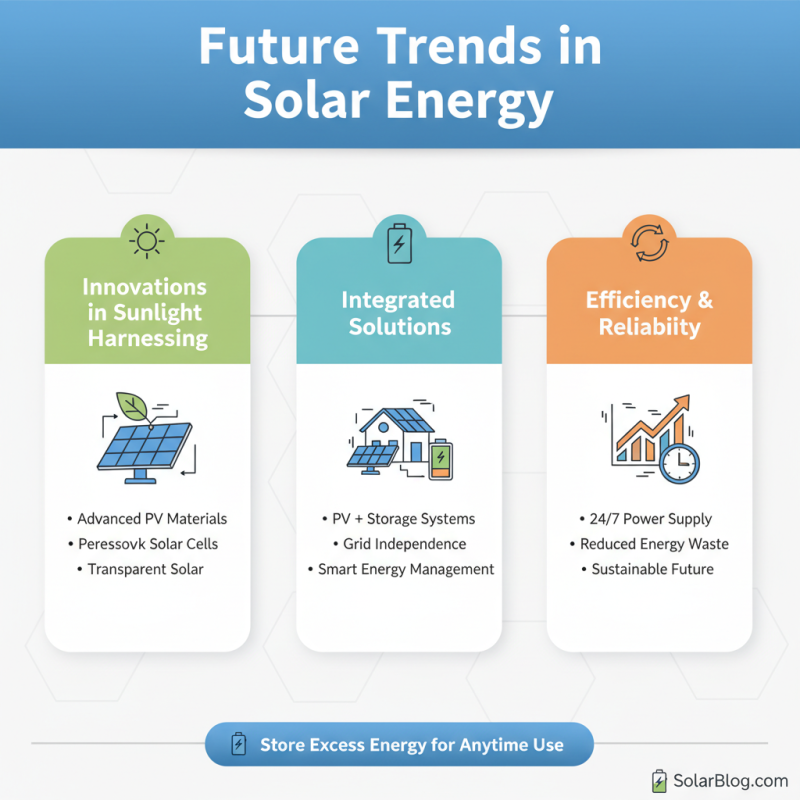
The future of solar energy development is evolving rapidly. Innovations are reshaping how we harness sunlight for power. Integrated solar solutions are becoming more common. These solutions combine traditional photovoltaic panels with energy storage systems. This enhances efficiency and reliability. Homeowners are now able to store excess energy for use during low generation periods.
Sustainability is a key focus in solar advancements. The industry is leaning towards eco-friendly materials for panel production. This reduces the carbon footprint associated with manufacturing. However, challenges remain. The recycling of old panels is still not optimized. Proper disposal methods are essential to prevent environmental harm. Moreover, the rise of solar farms calls for better land management practices.
Public policy will also play a crucial role in shaping solar's trajectory. Supportive regulations can boost investment in solar technology. Yet, inconsistent policies across regions create uncertainty. As the world shifts towards renewable energy, collaboration between governments, industries, and communities will be vital. How can we ensure that progress benefits all stakeholders? This question requires ongoing dialogue and reflection.