Choosing a solar pv manufacturer is a long-term purchasing decision, not just a search for the lowest module price. Buyers must weigh product performance, warranty terms, production capacity, and the supplier’s ability to support projects across borders. A panel may look competitive on a quotation, yet delivery schedules, technical documentation, and after-sales service can change the real value.
This guide introduces ten manufacturers often considered by global buyers. It is a practical starting point, not a universal ranking. Company positions and product lines change, and availability can vary by market. Buyers should confirm current specifications, certifications, warranty conditions, and local support directly with each supplier. Check the details.
The comparison focuses on factors that matter during procurement: module efficiency, product range, manufacturing scale, and experience serving utility, commercial, and residential projects. It also considers how clearly manufacturers communicate performance data and product limitations. Those details matter when teams compare output estimates, inspect sample modules, or plan installation around seasonal delivery windows.
No shortlist can replace project-specific due diligence. Climate, roof or land conditions, financing, and grid requirements all affect the right choice. Even a respected brand may not suit every application. That deserves a second look. Use the profiles that follow to build a focused shortlist, prepare better questions, and compare offers on consistent terms—not on headline wattage alone.
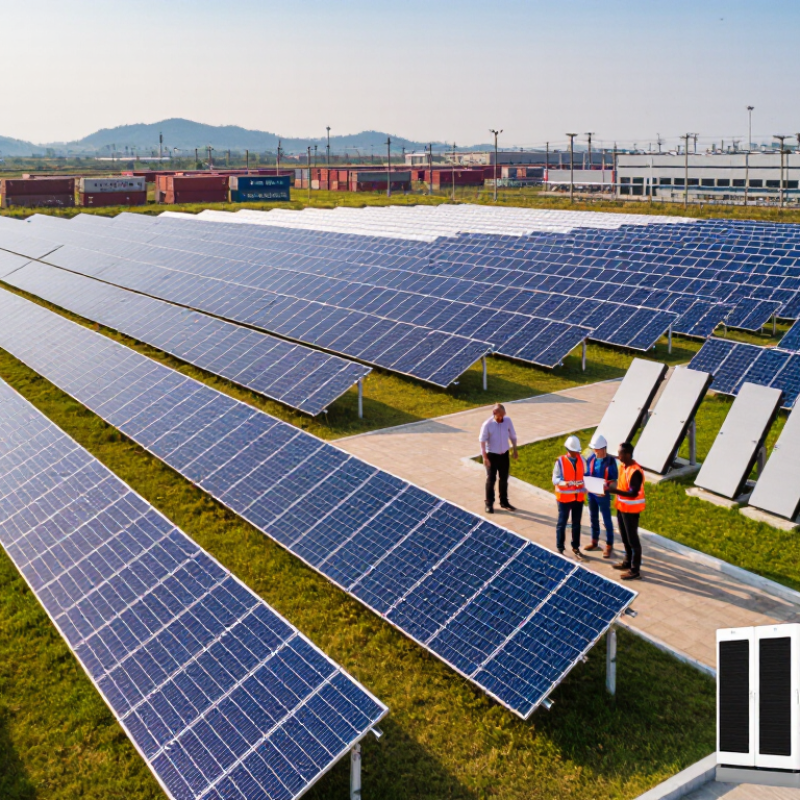
Solar PV manufacturers connect industrial production with energy planning. They convert wafers, cells, glass, and electrical components into modules for utility sites, factories, and rooftops. Buyers compare power output, degradation rates, warranties, delivery schedules, and documentation. A low quoted price can lose its appeal if shipments arrive late or performance records are unclear. Details matter.
Their place in the global energy market depends on more than factory capacity. Project developers need products that fit local climates, grid designs, financing plans, and installation practices. In hot regions, heat-related output loss matters; near coasts, corrosion resistance deserves close review. Manufacturers also influence supply availability when demand rises quickly, though production forecasts are never guarantees. A full warehouse is not the same as a dependable delivery route.
Market confidence grows through consistent testing, traceable materials, and realistic service commitments. Buyers can review independent test results, warranty terms, and the supplier’s ability to support claims years later. Recycling and end-of-life planning are gaining attention as installed systems age. Still, these processes vary by region, and sustainability claims can sound tidier than operations really are. That gap deserves scrutiny. Comparing suppliers takes time, and no checklist removes every risk.
When comparing leading solar PV manufacturers, look beyond headline wattage. A higher-rated module may not deliver better value if its temperature coefficient, degradation rate, or warranty terms differ. Compare datasheets under the same test conditions, and check whether performance figures come with clear test documentation.
Start with product quality and manufacturing consistency. Ask for independent test reports, certifications, and details about factory quality controls. Review module efficiency, mechanical-load ratings, and performance in heat or low light. Small differences matter across a large installation. Also check whether the manufacturer can provide traceable production records and spare parts over the project’s expected service life.
Delivery and support deserve equal attention. Confirm production capacity, realistic lead times, and how technical issues are handled after installation. Warranty length alone is not enough; read the exclusions and learn who manages claims in your region. A scorecard can help, but it may miss the friction of a delayed shipment or slow response. I would leave room for judgment. Compare financial stability and supply-chain transparency using recent, verifiable documents, then weigh those findings against the project’s location, climate, and maintenance resources.
The first profile is a vertically integrated manufacturer, controlling several stages from wafer production to finished modules. That can improve supply visibility, though integration alone does not guarantee better quality. The second focuses on high-efficiency cell designs, where buyers should compare independently verified output data. The third serves utility-scale projects with large-format modules and automated production. Its logistics record matters as much as its factory capacity. The fourth concentrates on residential products, offering compact formats for roofs with limited space. Small details count.
The fifth profile emphasizes durable modules for harsh climates, including strong wind or heavy snow. Check the test conditions, not just the headline claim. The sixth targets cost-sensitive markets with standardized products and high production volumes. The seventh invests in newer cell architectures. Performance may look promising, but long-term field data can be thinner. That deserves scrutiny. The eighth has regional manufacturing and service operations, which may ease delivery and support. The ninth specializes in tailored products for commercial rooftops or unusual installations. The tenth balances broad product coverage with steady technical support.
These profiles describe useful comparison points, not a fixed ranking. Manufacturing capacity, product availability, and warranty terms can change. Buyers should review current datasheets, independent certifications, warranty exclusions, and project references. I would also ask for traceable test results. A polished brochure is not enough. Even experienced teams can overlook shipping damage or installation constraints, so the final choice should fit the site, schedule, and maintenance plan.
Leading solar manufacturers differ less by headline efficiency than by cell design, factory integration, and delivery scale. Some prioritize established PERC lines, which are widely produced and familiar to installers. Others are shifting toward TOPCon or heterojunction cells, which can deliver stronger output per panel but require different production processes. Back-contact designs move electrical connections to the rear, reducing shading on the front surface. Small gains matter.
Factory capacity is not one simple number. A producer may make wafers, cells, and modules in-house, while another buys some components from suppliers. Integrated production can improve traceability, but it does not automatically guarantee faster delivery. Buyers should ask whether stated gigawatt capacity means annual nameplate output or actual shipments. The difference can be substantial. Regional factories may also shorten shipping routes and ease project scheduling.
For a utility-scale project, module dimensions, temperature performance, and degradation rates affect lifetime energy yield. For a rooftop installation, available roof area and inverter compatibility may matter more than peak efficiency. Request current test certificates, warranty terms, and production-location details before comparing bids. A spreadsheet can make the choice look simple. It isn’t. Published figures sometimes lag behind factory upgrades, so confirm model-specific data in writing.
| Rank* | Manufacturer | Approx. Annual Module Nameplate Capacity | Main Cell Technologies | Production and Product Characteristics | Buyer Considerations |
|---|---|---|---|---|---|
| 01 | Manufacturer 01 | About 120 GW | TOPCon; PERC legacy products | Very large integrated production footprint, spanning multiple upstream and downstream stages. High-volume n-type module output. | Check delivery allocation, factory origin, product certification, and warranty coverage for the destination market. |
| 02 | Manufacturer 02 | About 120 GW | TOPCon; PERC legacy products | Large-scale manufacturing with substantial wafer, cell, and module operations. Product portfolio includes utility-scale formats. | Confirm the quoted module type and dimensions; production capacity does not guarantee immediate availability. |
| 03 | Manufacturer 03 | About 100 GW | TOPCon; PERC legacy products | High-volume module production with a broad range of n-type products and established utility-project supply capability. | Compare temperature coefficients, degradation terms, mechanical-load ratings, and project-specific supply schedules. |
| 04 | Manufacturer 04 | About 95 GW | TOPCon; PERC legacy products | Large manufacturing scale and a portfolio covering utility, commercial, and residential applications. | Verify that the exact model is listed with the required certification body and approved for the installation environment. |
| 05 | Manufacturer 05 | About 85 GW | TOPCon; PERC legacy products | Integrated cell and module production supports large product volumes; upstream integration can vary by facility and period. | Request facility-level traceability and confirmation of cell technology for the specific batch being offered. |
| 06 | Manufacturer 06 | About 60 GW | TOPCon; PERC legacy products | Large international supply base, with manufacturing and sales operations serving multiple regional markets. | Assess local service arrangements, import duties, applicable trade rules, and the origin of the contracted modules. |
| 07 | Manufacturer 07 | About 55 GW | TOPCon; PERC legacy products | High-volume crystalline-silicon production, including n-type modules designed for utility and commercial installations. | Review independent test results and ensure that the bill of materials matches the certified product configuration. |
| 08 | Manufacturer 08 | About 50 GW | TOPCon; heterojunction (HJT); PERC legacy products | Offers more than one cell-platform option. HJT and TOPCon product availability depends on manufacturing line and market. | Compare products using the same power class and test conditions; confirm the offered technology is available at the required volume. |
| 09 | Manufacturer 09 | About 25 GW | TOPCon; PERC legacy products | Mid-to-large-scale production with a focus on crystalline-silicon cells and modules for international customers. | For large orders, check quarterly production allocation, export documentation, and long-term replacement-product provisions. |
| 10 | Manufacturer 10 | About 20 GW | TOPCon; PERC legacy products | Substantial but comparatively smaller module scale than the largest global producers; product mix can differ by region. | Confirm supply continuity, spare-module arrangements, bankability requirements, and the availability of local technical support. |
*The manufacturer names are intentionally omitted. Capacity figures are rounded estimates of announced or reported annual module nameplate capacity around 2024, not verified actual output; figures can vary by reporting date, operational status, and whether planned capacity is included. TOPCon, PERC, and HJT are cell-technology types. Actual product efficiency, warranty terms, and availability depend on the specific model and production facility.
A low module price can look attractive until shipping, installation, and replacement costs enter the spreadsheet. Global buyers compare total project value, not just the price per watt. They examine power output, temperature behavior, degradation rates, and warranty terms. Ask for test reports tied to the exact product configuration under review. Small details matter.
Consistency deserves close attention. Buyers can request factory audit records, quality-control procedures, and sample inspection results. They should also check whether production capacity matches the supplier’s delivery promises. A delayed shipment can disrupt installation schedules, even when the panels perform well. Verify documentation independently where practical. Paperwork can be polished.
Reliability extends beyond the factory gate. Buyers assess shipping protection, spare-part access, technical support across time zones, and clear procedures for handling defects. They may speak with existing customers about response times, not only product output. Market-specific certifications and grid requirements should be checked for the destination project. A warranty is only useful when its claim process is workable. No checklist catches everything, and forecasts can miss real operating conditions. Leave room for uncertainty, compare evidence across suppliers, and record what remains unverified before making a commitment.