What Is Rooftop Solar and How Does It Work?

Rooftop solar turns an unused roof into a small power station. Solar panels capture sunlight and convert it into direct current electricity. An inverter then changes that current into usable household power. The result is quiet energy production above your kitchen, garage, or office.

“Solar energy has the potential to meet all of the world’s energy needs,” says Bill Nussey, a solar industry expert and founder of Solar In-Depth. His statement sounds ambitious. Yet a rooftop system is not automatically suitable for every building. Roof direction, shade, structural strength, local weather, and household electricity use all matter. A tall tree can reduce afternoon production. Dust can slowly weaken output. Snow may cover panels for several days.

When the panels produce more electricity than the building needs, the extra power may flow into a battery or the public grid. At night, the system usually draws stored or grid electricity. Some homeowners expect complete energy independence, but that expectation can be unrealistic without enough storage. The picture is not perfectly simple.

This guide explains how rooftop solar works, from sunlight and inverters to batteries, meters, maintenance, and energy savings. It also examines costs and practical limitations. Real performance depends on the site, equipment, installation quality, and daily habits. A well-designed system can lower electricity bills and reduce reliance on fossil fuels. Still, careful assessment matters more than attractive promises. Your roof may be suitable. It may not be. That uncertainty deserves an honest answer.
What Is Rooftop Solar and How Does It Work?

What Rooftop Solar Means and What It Includes

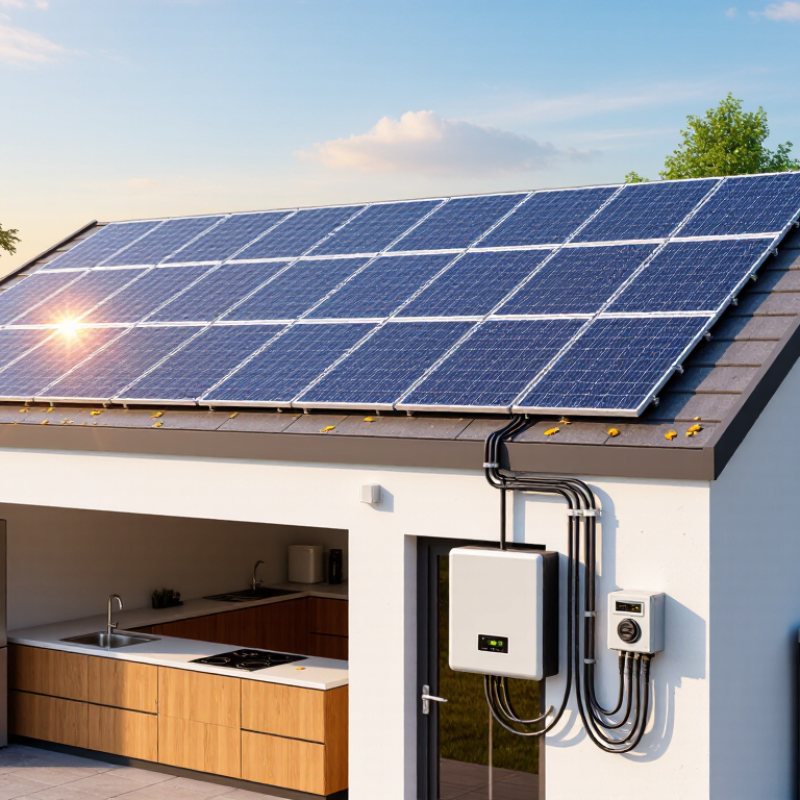
Rooftop solar means generating electricity from photovoltaic panels installed on a building’s roof. The system usually includes solar modules, mounting rails, wiring, an inverter, monitoring equipment, and safety switches. Batteries are optional, not essential.

The inverter changes direct current into household alternating current. Electricity then powers lights, appliances, and equipment inside the building. Extra generation may flow to the grid, depending on local connection rules and compensation programs.

According to the IEA PVPS Trends 2024 report, global photovoltaic installations exceeded 400 gigawatts in 2023. Rooftops represented an important part of this growth, especially in areas with high retail electricity prices.

Rooftop solar is not only a panel purchase. A proper project includes a roof inspection, structural checks, shading analysis, electrical design, permits, installation, and future maintenance. The U.S. National Renewable Energy Laboratory estimates that suitable rooftops could support more than 1,000 gigawatts of photovoltaic capacity nationwide. The figure is technical potential, not a guaranteed outcome.

Real performance can disappoint. Dust, tree shadows, heat, aging equipment, and winter weather reduce production. A roof facing the “right” direction can still be unsuitable. Homeowners should compare production estimates with measured electricity use, not rely on a dramatic annual figure. Storage can improve evening use, but it adds cost, space needs, and replacement concerns.

How Sunlight Becomes Electricity on a Roof

What Is Rooftop Solar and How Does It Work?

Rooftop solar turns sunlight into usable electricity above your home. Solar panels contain photovoltaic cells made from semiconductor materials. When sunlight strikes these cells, its energy moves electrons and creates direct current electricity. The process starts quietly, without smoke, fuel, or moving engine parts.

Most household appliances use alternating current, not direct current. An inverter changes the electricity into the form your home can use. Power then travels through the electrical panel and reaches lights, refrigerators, and chargers. If the panels produce more electricity than the home needs, the extra power may flow to the grid, depending on local rules and metering arrangements. Batteries can store some electricity for later use, but they are not required for every system.

Real performance depends on more than bright sunshine. Roof angle, direction, shade, dust, temperature, and wiring quality all matter. A chimney shadow can reduce output across several cells. During a site assessment, technicians check roof age, structural condition, and electrical capacity before recommending equipment. Safety devices also help isolate the system during maintenance or emergencies.

The process is efficient, but not perfect. Panels produce less power on cloudy days, and manufacturing has environmental costs. Homeowners should compare measured energy estimates with their actual consumption, rather than trusting a simple “sunny roof” promise. A careful design uses local solar data, clear calculations, and realistic expectations.

What Is Rooftop Solar and How Does It Work?

Average daily electricity generated by a 1 kW rooftop solar system across a representative temperate Northern Hemisphere location.

Solar panels convert sunlight into direct-current electricity. An inverter changes it into alternating-current electricity for household use. Output is usually highest in late spring and summer because longer daylight hours and stronger sunlight provide more solar energy, while winter production is lower.

The Main Parts of a Rooftop Solar System

What Is Rooftop Solar and How Does It Work?

The Main Parts of a Rooftop Solar System

Solar panels are the most visible part of a rooftop system. They contain photovoltaic cells that convert sunlight into direct-current electricity. Panels sit on mounting rails, which attach securely to the roof structure. The rails must resist wind, rain, and occasional maintenance movement. Roof direction and shade matter greatly. A clean roof does not always mean a suitable roof.

The inverter changes direct current into alternating current for household appliances. It also monitors voltage, system output, and certain electrical faults. Some systems use power optimizers at individual panels. Others rely on one central inverter. The wiring connects each panel, the inverter, the electrical panel, and the utility meter. Protective devices help isolate the system during service or emergencies. Small details matter here.

A battery can store unused electricity for evening use or outages. It is optional, not a required part of every installation. A monitoring device displays daily production on a computer or phone. Yet monitoring data can be misunderstood. Lower output may result from clouds, dust, shade, or equipment problems. During a roof inspection, installers should check roof age, attachment points, and cable paths. A visually simple system may hide weak mounting or poor ventilation. Careful documentation and qualified electrical work remain essential.

How Rooftop Solar Power Reaches Household Appliances

What Is Rooftop Solar and How Does It Work?

Rooftop solar turns sunlight into electricity above the home. Solar panels produce direct current when light reaches their cells. An inverter then changes that current into alternating current. Household appliances use alternating current.

The power travels through cables to the home’s electrical panel. From there, it flows through separate circuits to lights, refrigerators, pumps, and other appliances. A refrigerator may start quietly, while a kettle draws power much faster. The panel distributes electricity according to each appliance’s demand. A meter records electricity moving between the home and the public grid.

With a battery, extra daytime power can be stored for evening use. Without one, unused energy may move outward through the meter, depending on local rules.

The system sounds simple. Real homes are less tidy. Roof direction, shade, wiring condition, and appliance loads all affect performance. A qualified installer should check the roof structure, cable paths, protective devices, and electrical capacity.

Proper grounding and inspection matter because small installation errors can create serious risks. I once pictured solar power as a direct wire from the roof to a lamp. That picture misses the inverter, safety controls, and changing household demand.

Cloudy weather also reduces output, though panels can still generate electricity. A clear performance estimate should use local sunlight data, not optimistic guesses. Even careful estimates remain imperfect.

Key Factors That Affect Rooftop Solar Performance

What Is Rooftop Solar and How Does It Work?

Rooftop solar converts sunlight into electricity through photovoltaic cells. The panels produce direct current, while an inverter changes it into usable alternating current. The system may power appliances immediately, export surplus electricity, or store it in batteries.

Key Factors That Affect Rooftop Solar Performance

Roof orientation and shade often matter more than panel count. A chimney, nearby tree, or taller building can create moving shadows across the array. Shade is unforgiving. The International Energy Agency Photovoltaic Power Systems Programme reported about 456 gigawatts of new solar capacity worldwide in 2023, but production still depends heavily on local conditions.

Heat also reduces output. Most crystalline-silicon modules lose roughly 0.3% to 0.5% of power for every degree Celsius above their rated temperature. Ventilation beneath the panels can therefore help, especially on dark roofs during still summer afternoons. Dust, pollen, snow, and bird deposits create smaller but repeated losses. In my experience, the dirtiest section is often near a roof edge, where runoff carries debris.

System design requires honest assumptions. The National Renewable Energy Laboratory’s degradation research commonly cites a median annual decline near 0.5% for crystalline-silicon systems. That figure is useful, not guaranteed. Poor installation, moisture, wiring faults, or inaccurate shade models can produce larger losses. A neat calculation can still be wrong. On-site measurements and seasonal monitoring deserve more attention than optimistic estimates.